


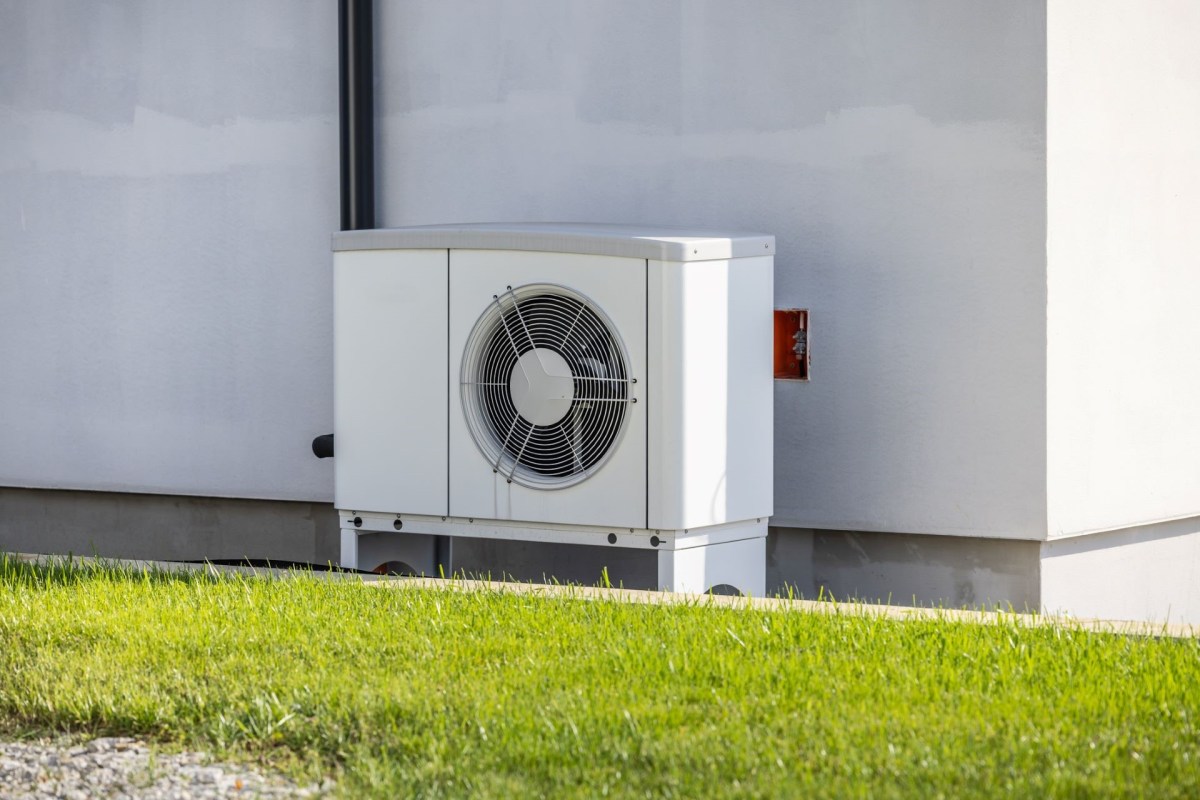
A Colorado homeowner's new heat pump should have been a straightforward comfort upgrade, but it instead revealed that sometimes you don't get what you pay for.
As they shared on the r/heatpumps subreddit, their first cooling test exposed a basic installation mistake that caused the outdoor unit to shut off after just a minute or two.
What happened?
Per the post, Jetson was replacing the original furnace and central air in a 2001 Colorado home, a 3,730-square-foot, five-bedroom, 3.5-bath house, with a 4-ton heat pump package. The homeowner said a four-person crew finished the work in about 8.5 hours.
However, the handoff did not go as planned.
(Click here if the embed does not appear.)
"Slightly disappointing is the install team did not test the system before leaving," the original poster wrote. "It was apparent something was wrong, as soon as I set it to cool the outdoor unit would run for a minute or two and then shutoff."
The problem was not a complicated breakdown. When Jetson sent a technician back the next day, the homeowner said the issue was that the outdoor unit's coolant valves had been left closed.
One commenter asked in response: "If they didn't open the valves… did they pressure check and vacuum…?"
Save $10,000 on solar panels without even sharing your phone number Want to go solar but not sure who to trust? EnergySage has your back with free and transparent quotes from fully vetted providers in your area. To get started, just answer a few questions about your home — no phone number required. Within a day or two, EnergySage will email you the best options for your needs, and their expert advisers can help you compare quotes and pick a winner. Solar panels can save you more than $50k over their 25-year lifespan, and EnergySage can help you save as much as $10k on installation. Which begs the question — isn't that worth an email or two? |

The answer was murky, but the consensus was the well-staffed job still featured cut corners.
"I have seen techs skip so much s***," a user answered. "The fact that he said it took 8.5 hours tells me a lot."
After hearing the job cost $15,585 after rebates, another user was taken aback.
"15k and they didn't even test the system?" they reacted. "Damn."
Why does it matter?
Thankfully, the OP's unsatisfactory experience was short-lived.
A high-efficiency upgrade is only as good as the installation. A missed commissioning step can delay savings, raise doubts about reliability, and turn a major purchase into a stressful troubleshooting process.
Even with stories like this, heat pumps are significantly more energy-efficient than traditional HVAC systems, and they provide both heating and cooling in a single unit.
That can mean meaningful financial benefits for homeowners through tax credits, rebates, and long-term savings on utility bills, and EnergySage's Heat Pump Marketplace can help people compare heat pump options.
It's worth pointing out the OP eventually had a positive experience.
"Since then it's been running smoothly," they wrote. "The house has been staying a much more even temp throughout, within a degree or two of setpoint."
They noted they were using 100kwh less per week now, and the second floor was much cooler. That sort of discrepancy can also be solved through other options.
For households that do not need a whole-home replacement, Merino offers single-room, ultra-efficient HVAC systems. It is a targeted heating and cooling option that can be installed.
What can I do?
If you are shopping for a heat pump, it can help to ask contractors exactly how they commission a system, whether they will test both heating and cooling before leaving, and what labor warranties actually cover.
Many homeowners may also qualify for federal incentives for eligible heat pump installations, along with state or utility rebates that can lower upfront costs.
Homeowners interested in cutting energy bills even further can also use EnergySage, a free solar quotes comparison tool. With its help, the average person can get nearly $10,000 in incentives for solar purchases and installations.
And for anyone still weighing equipment choices, EnergySage's Heat Pump Marketplace is another place to compare options before signing a contract.

Get TCD's free newsletters for easy tips, smart advice, and a chance to earn $5,000 toward home upgrades. To see more stories like this one, change your Google preferences here.






