


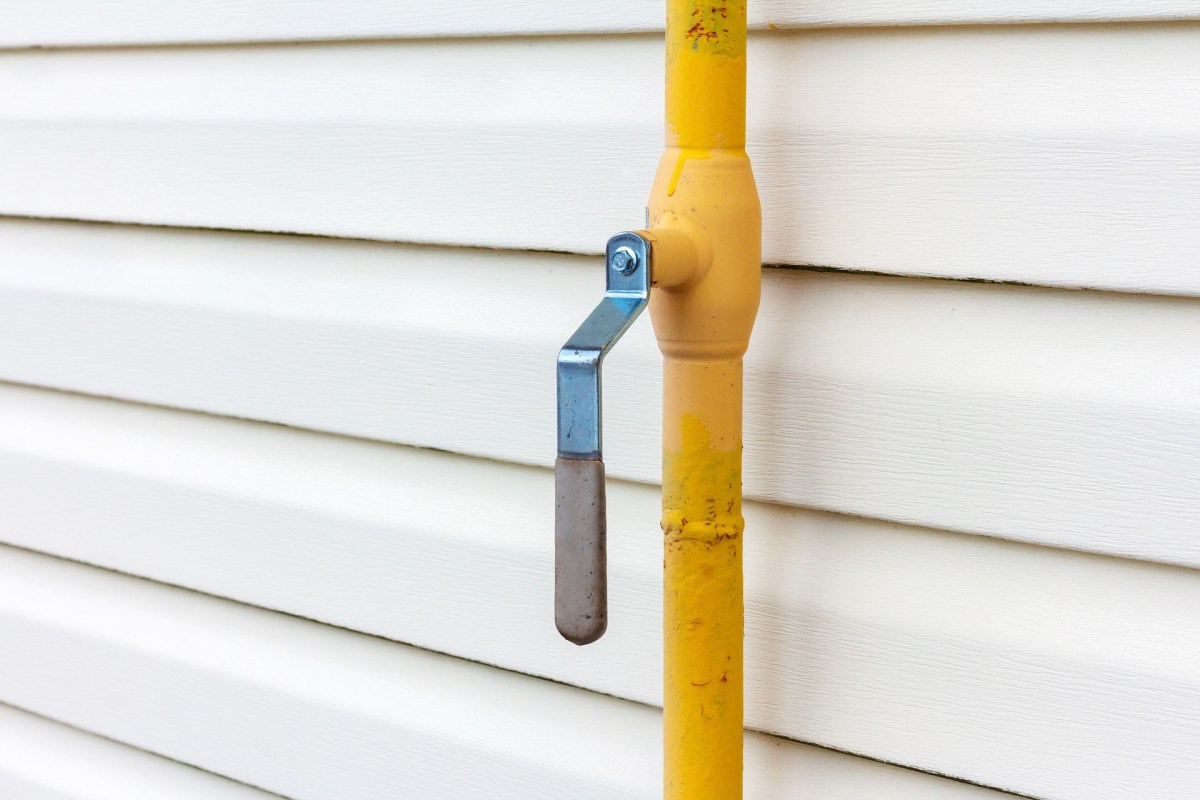
Electrifying your home can seem straightforward: Replace appliances and shut off gas service. But one Colorado homeowner found that actually getting a gas line removed from a property can be complicated — and expensive.
Here's what to know
In a Reddit post, a homeowner on Colorado's Western Slope said Black Hills Energy told them they would have to pay for both the removal of the gas line and the excavation required to do so.
"I don't think it is fair to have to pay them to do this," the original poster wrote.
Users challenged that position. Several said that if a service line covers only one home, the cost of physically removing it is generally treated as the homeowner's problem; shutting off service or capping the line at the meter is the more common approach.
"OP, what you want to do is cap your gas line," one commenter wrote. "That will be a relatively modest charge."
The homeowner said the issue was about more than just the mechanics of removal. In an update, they argued the utility should pay "as a punitive measure for continuing to sell and promote a product that is wrecking our climate and our lives in the process."
TCD Picks » Quince Spotlight
💡These best-sellers from Quince deliver affordable, sustainable luxury for all




The dispute highlights a little-discussed part of home electrification. Even when homeowners are ready to move away from gas, infrastructure buried underground can make that shift more complicated than simply turning off service.
More background
Going all-electric can offer major benefits even if a utility line remains buried in place.
Electrification can mean eliminating a gas bill, avoiding recurring service fees, and reducing exposure to fuel price swings. It can also simplify future home upgrades by centralizing heating, cooking, and water heating to a single energy source.
The homeowner dismissed the idea of keeping gas as a backup heat source. Responding to a commenter, they wrote: "No need for that anymore. Heat pumps work well into the winter where I live. It gets cold but not often and never below minus-5 Fahrenheit."
Another user pushed back on the idea that gas is dependable in an emergency, noting, "The problem with gas furnaces is that you still need electricity to run the blower and electronics."
Some homeowners stop at disconnection instead of pursuing full removal. Excavation can be disruptive, and if utility policies or rules place that cost on the homeowner, the expense may outweigh the practical value of digging up an unused service line.
What can be done?
The price difference can be substantial when it comes to service disconnection, line capping, meter removal, and excavation.
Responsibility may also depend on how the service is configured, including whether the line serves only one property, is connected to shared infrastructure, or is covered by an easement.
Checking state utility rules or contacting the state public utilities commission may clarify what is permitted. It can also help to get the policy in writing before making expensive decisions.
Capping a line instead of fully removing it may still provide many of the consumer benefits of going all-electric, especially when paired with efficient equipment such as a heat pump.
Where can I learn more?
Each of these stories looks at what happens when homeowners try to rely less on traditional utilities.
• Off-grid homeowners say they cut ties with utility companies but took on new daily energy challenges.
• Some green power plans make solar and wind nearly free on paper, even as household trade-offs remain.
• Critics say utilities are spending electricity bills on transmission projects in ways customers may not expect.
For homeowners weighing whether to cap a line, remove it, or rethink utility service altogether, the decisions usually come down to money and the associated energy challenges.

Get TCD's free newsletters for easy tips, smart advice, and a chance to earn $5,000 toward home upgrades. To see more stories like this one, change your Google preferences here.






