


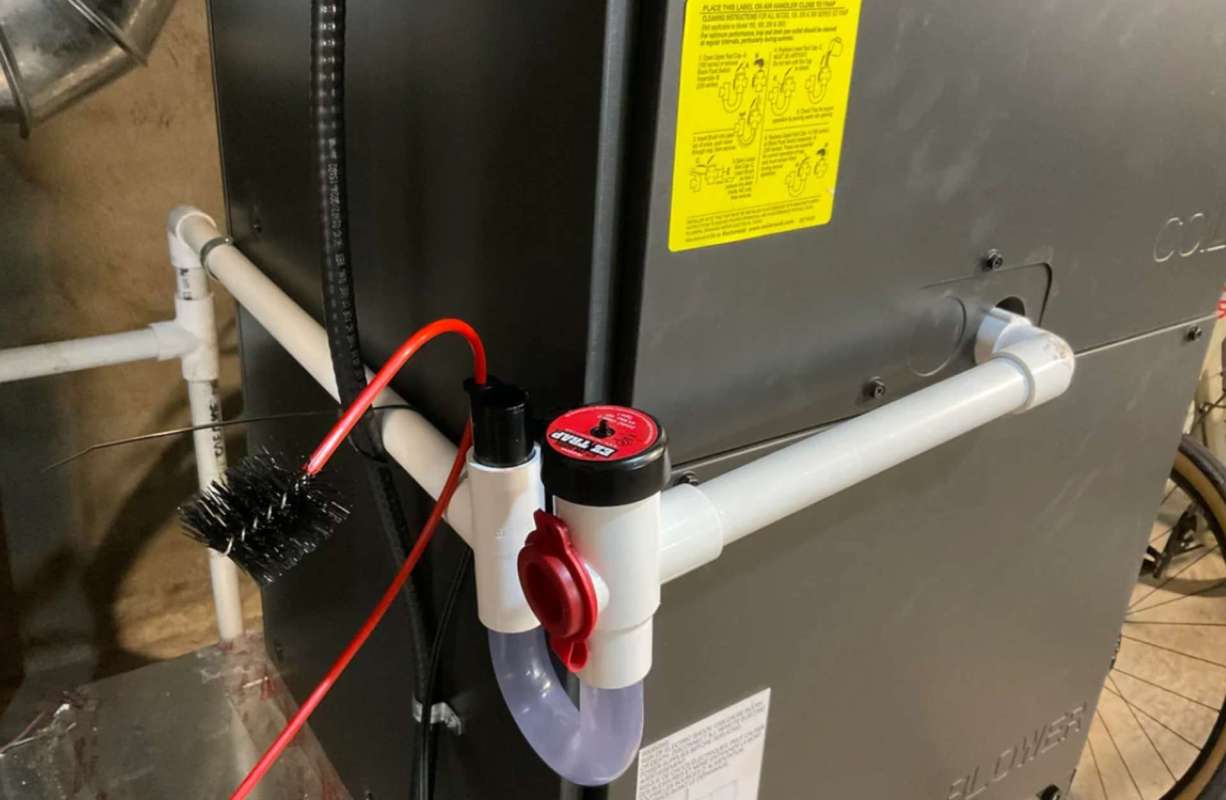
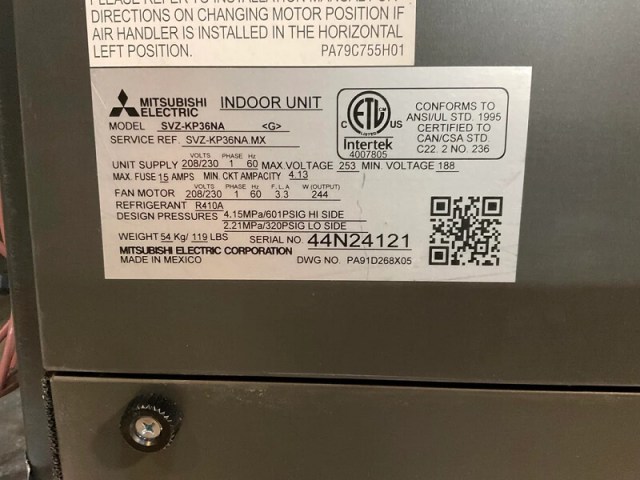
A simple maintenance check turned into a head-scratcher for one homeowner after their Mitsubishi air handler refused to restart. The good news: What initially looked like a major failure turned out to be a much smaller issue.
For anyone trying to keep an efficient heat pump system running smoothly and avoid an unnecessary service call, the story is a helpful reminder that one stuck component can make an entire setup seem dead.
Here's what to know
A homeowner on r/hvacadvice said their 2024 Mitsubishi setup had been "working great" until they cleaned sludge from the air handler's P-trap.
When they tried to turn the system back on, they found it would not restart.
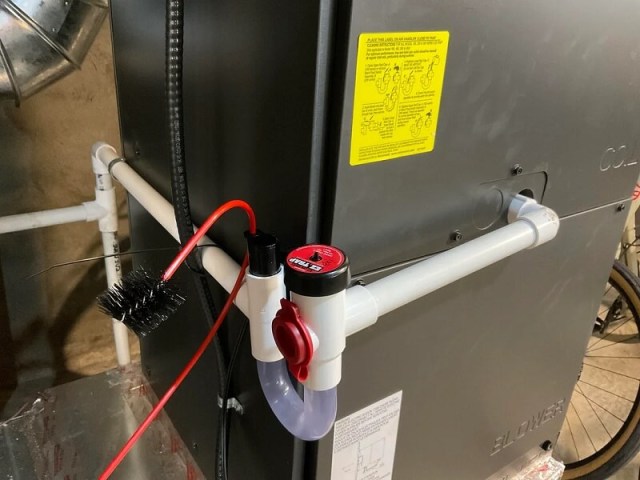
Before giving up, the homeowner said they and their husband checked the float, the power at the light switch, and the pump connection.
The clue came when the poster's husband touched the pump.
"Then he jiggled the pump very lightly and it immediately turned on, pumped out some water," the homeowner wrote.
"Thinking this means the problem is either the float in the pump being stuck or the power connection to the pump being loose," they added.
Crushed by your bills? See instant solar savings from vetted installers in just a few clicks With energy prices through the roof, there's never been a better time to go solar — and EasyHome can help you find the best prices from the best installers in your area. EasyHome takes the guesswork and headaches out of energy upgrades by showing you estimated savings from a network of vetted local partners. To get started, just enter your ZIP and share a few details about your home — seeing your estimate is really that easy. |

Readers pointed them toward a few likely explanations.
"There should be a 5 minute delay. If you accidentally unplugged the EZ-trap, that would also prevent it from starting," a user replied.
For homeowners weighing whether to repair or upgrade, Palmetto can help you understand your HVAC options, including new, efficient HVAC systems and heat pumps.
Its Comfort Plan network can connect you with efficient heating and cooling solutions for your home, as well as trusted, vetted local installers.
More background
Condensate pumps and float switches are designed to shut systems down when water is not draining properly. While that protects a home from leaks, it can also make a relatively minor pump issue feel like a full system breakdown.
Keeping a heat pump in good shape helps preserve the savings that made the upgrade worthwhile in the first place.
Upgrading your heating and cooling system is one of the best ways to save money on your utility bills and protect yourself against rising energy prices, but even efficient equipment requires occasional maintenance.
Taken together, the replies suggested a handful of simple possibilities: a triggered float, a built-in delay, a loose plug, or a pump mechanism that had stuck.
Those are all issues a homeowner may be able to rule out before paying for a service visit.
What can be done?
Early troubleshooting steps can include checking that the float is fully seated, confirming that any safety-switch connection is still attached, and waiting to see whether the system is just in its normal delay period.
"Did you push the manual reset button on the float switch?" another commenter asked.
If the problem appears to be in the pump itself, a professional tune-up is usually the smart next step.
And if your equipment is older or unreliable, Palmetto's Comfort Plan can make an upgrade much less daunting. Palmetto offers $0-down options that can lower your heating and cooling costs by up to 50% with 12 years of free maintenance.
You can also drive your utility costs even lower by pairing solar panels with electric appliances, such as efficient HVAC systems. EnergySage makes it easy to find the best solar system and installer for your home and budget.
In an update, the original poster noted that their system did come back on after their husband jiggled the part.
"He then turned the system back on at the t-stat and it started up," they said.

Get TCD's free newsletters for easy tips, smart advice, and a chance to earn $5,000 toward home upgrades. To see more stories like this one, change your Google preferences here.






