


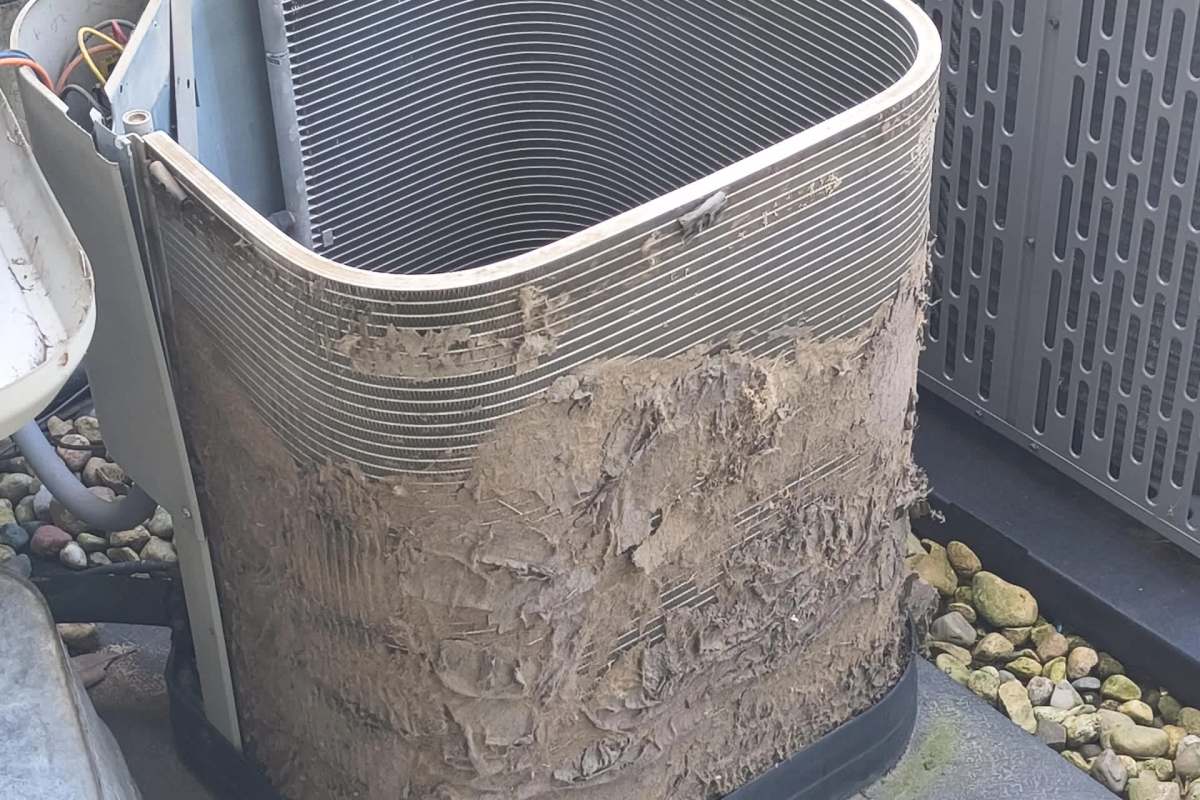
If your electric bill spikes every summer, the culprit might be sitting in plain sight just outside your home. While tackling "extreme" energy usage, one new homeowner discovered that the home's AC condensers were packed with years of grime.
Here's what to know
"Moved into a new house. Slowly chipping away at extreme energy usage. Finally got around to cleaning the AC condensers outside and found years and years of dirt + buildup. If you haven't cleaned your condensers in a while, here is your reminder to do it," the original poster wrote on Reddit's r/HomeMaintenance.
They also shared a screenshot that showed a significant drop in energy usage after the cleaning.
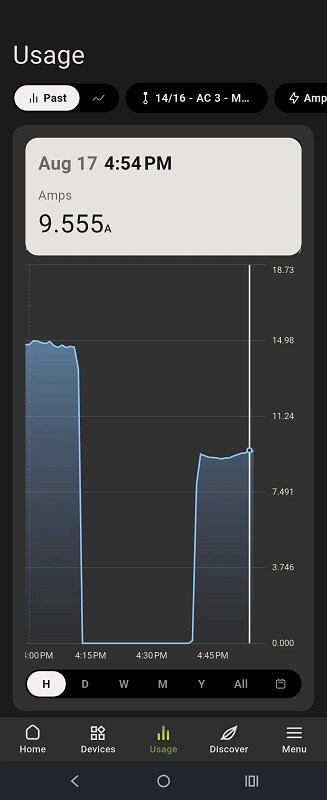
When another user asked how they removed the dirt, the OP replied, "Garden hose nozzle with flat setting, move from top to bottom, then jet setting for anything stuck in the bottom channels."
Cleaning an outdoor condenser can cost little or nothing and may help your AC run more efficiently while using less electricity.
Since heating and cooling are often a home's biggest energy expenses, improving your HVAC setup is one of the best ways to save money on utility bills and protect yourself from rising energy prices.
If your system is old or struggling and beyond cleaning, Palmetto's Comfort Plan network can help you find efficient heating and cooling solutions for your home and connect you with vetted installers. New, efficient HVACs and heat pumps can make a meaningful difference if you're trying to slash energy bills.
More background
An air conditioner releases household heat through the outdoor condenser, so any dust, grass clippings, or other debris can block airflow. When that airflow is restricted, the unit may cycle longer, run hotter, and use more electricity to maintain the same indoor temperature.
Crushed by your bills? See instant solar savings from vetted installers in just a few clicks With energy prices through the roof, there's never been a better time to go solar — and EasyHome can help you find the best prices from the best installers in your area. EasyHome takes the guesswork and headaches out of energy upgrades by showing you estimated savings from a network of vetted local partners. To get started, just enter your ZIP and share a few details about your home — seeing your estimate is really that easy. |

Commenters in the thread said the impact can be significant. "I've measured +25% amps before and after cleaning a coil on a commercial rooftop unit. It's a big difference and should be done at least twice a year," one wrote.
A quick rinse will not trim every homeowner's cooling costs. But if the condenser is coated in grime, cleaning it is one of the least expensive steps you can take and could lower your monthly power bill.
What can be done?
Keep plants and yard debris away from outdoor units, swap your indoor air filters on schedule, and check whether condensers are blocked or covered with dirt. If you are not comfortable cleaning a system yourself, a licensed HVAC technician can handle it during a routine service visit.
If your bills are still high, it may be time to think beyond maintenance and consider an upgrade. Palmetto's Comfort Plan includes $0 down options that can lower your heating and cooling costs by up to 50% plus 12 years of maintenance.
You can push those costs even lower by pairing solar panels with electric appliances such as efficient HVACs and heat pumps. EnergySage makes it easy to find the best solar system and installer for your home and budget, saving you up to $10,000.
Where can I learn more?
When summer cooling costs creep up, basic maintenance is a good place to start — but it's rarely the whole answer. These articles look at a few other ways homeowners cut waste, from cleaning neglected AC parts to trying smarter settings or weighing upgrades such as heat pumps.
• For one homeowner, the difference was phenomenal after a quick AC cleaning removed hidden buildup.
• During muggy weather, using dry mode can trim cooling demand without sacrificing comfort.
• When upkeep fails, switching to a heat pump can slash heating and cooling costs.
Lower cooling bills usually come from a mix of small fixes and bigger decisions. Cleaning a condenser, changing how you use your AC, and upgrading equipment when the time is right can all add up.

Get TCD's free newsletters for easy tips, smart advice, and a chance to earn $5,000 toward home upgrades. To see more stories like this one, change your Google preferences here.






