


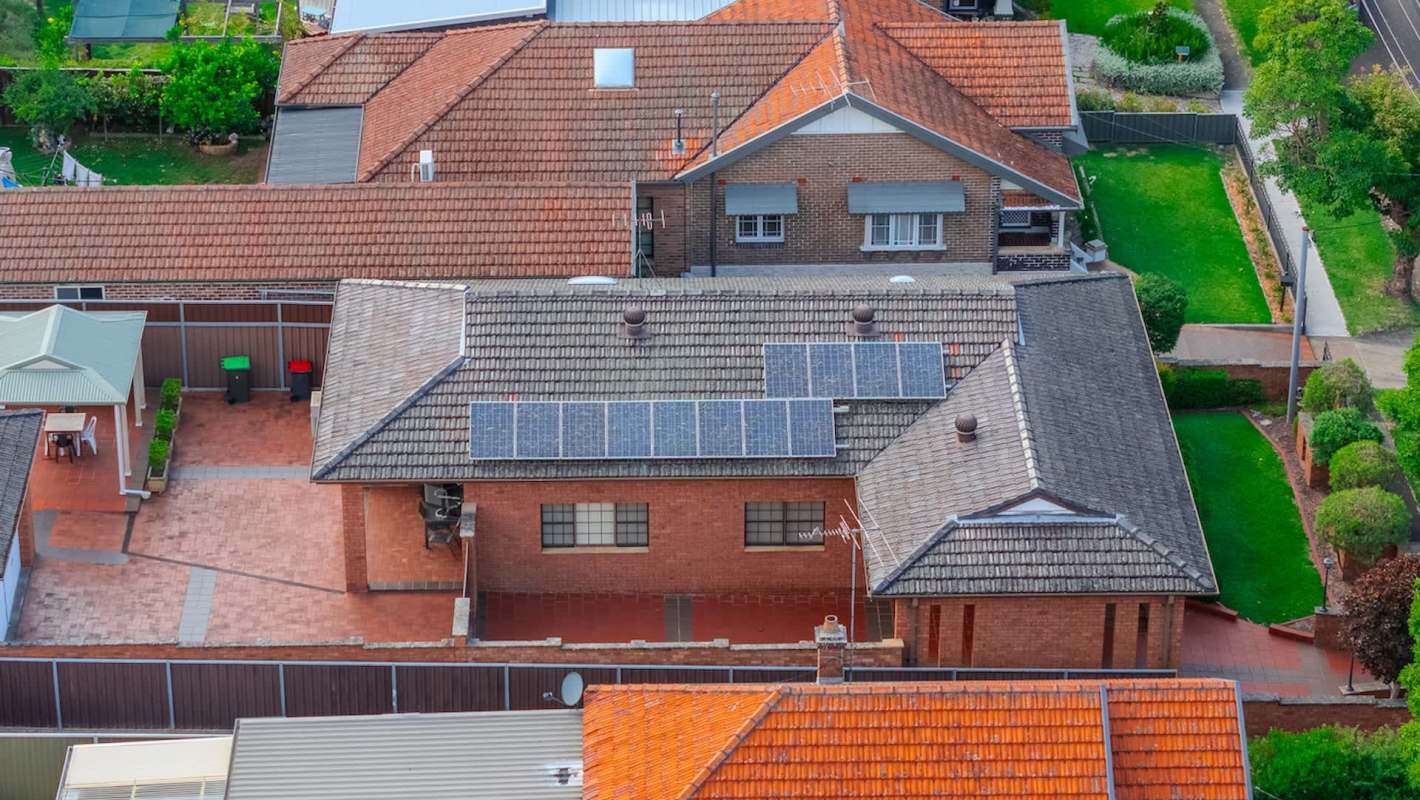
New South Wales is making it easier for households to afford clean energy upgrades at home through a major new incentive program.
Through the state's $557 million Home Energy Saver program, residents can apply for no-interest financing of up to $15,000 to cover upgrades such as rooftop solar, batteries, insulation, reverse-cycle air conditioning, and other measures that reduce energy use, according to Energy Magazine.
What's happening?
Eligible expenses range from solar panels and batteries to switchboard work, fans, weather-sealing, insulation, and reverse-cycle air conditioning, Energy Magazine reported.
Households with a combined taxable income of no more than $210,000 can borrow up to $15,000 and repay it over 10 years, making it easier to spread the cost of home upgrades rather than paying the full amount up front.
In practical terms, that could let a household earning $200,000 finance a $10,000 solar-and-battery system and pay it back over 10 years.
A second part of the program is due to launch later in 2026 and will provide targeted discounts of up to $4,000. Those rebates are aimed at households earning no more than a combined $80,000 a year, along with eligible concession card holders, and $77 million has been set aside for that effort.
TCD Picks » Quince Spotlight
💡These best-sellers from Quince deliver affordable, sustainable luxury for all




The largest share of the package is a $480 million commitment for zero-interest loans, which are available now.
Why does it matter?
For many families, the biggest obstacle to lowering their power bills is the upfront cost of installing solar panels or efficient appliances.
"This program is a massive win for households looking to take control of their energy bills," Smart Energy Council chief executive officer David McElrea told Energy Magazine. "Helping lower-income earners and renters to overcome the cost barrier to modernizing their homes with smart solar, batteries, efficient cooling and heating is the fastest way to permanently drive down household expenses while building a more resilient grid."
Interest-free financing can make those upgrades more attainable for households that might otherwise put them off.
Rooftop solar, batteries, insulation, and efficient heating and cooling systems can help cut household energy use and shield families from rising utility costs. Better insulation and reverse-cycle air conditioning can also make homes more comfortable during heat waves and cold snaps while using less energy.
The program could be especially meaningful for lower-income residents, concession card holders, and some renters. The New South Wales government said renters may be able to receive discounts with their landlord's permission, potentially allowing more people to benefit from efficiency improvements rather than limiting those savings to homeowners, according to Energy Magazine.
The benefits also extend beyond individual households. More distributed solar and battery storage can help bolster grid resilience, while greater efficiency can reduce strain on energy systems during peak demand.
What's being done?
Residents trying to use both forms of assistance on a single upgrade are being told to start with the discount and then use a loan for any remaining cost, according to Energy Magazine.
The value of these upgrades often depends on a home's current energy use, local climate, and existing equipment.
Solar panels, batteries, and efficient cooling systems can be especially useful for homes with high daytime electricity demand or poor temperature control, while smaller improvements such as draught-proofing and ceiling fans may offer lower-cost comfort benefits for both renters and homeowners.

Get TCD's free newsletters for easy tips, smart advice, and a chance to earn $5,000 toward home upgrades. To see more stories like this one, change your Google preferences here.






