


A gardener decided to turn the empty holes in cinder blocks lining their raised beds into gardening real estate, and shared an update on their onion harvest. The trial held up through drought conditions and 99-degree-Fahrenheit heat.
Here's what to know
The gardener documented their journey on Reddit, first posing the question of whether they could successfully plant onion bulbs in the cinder blocks about five months ago.
They garden in U.S. Department of Agriculture's zone 6a in the Northeastern United States near the base of a mountain.
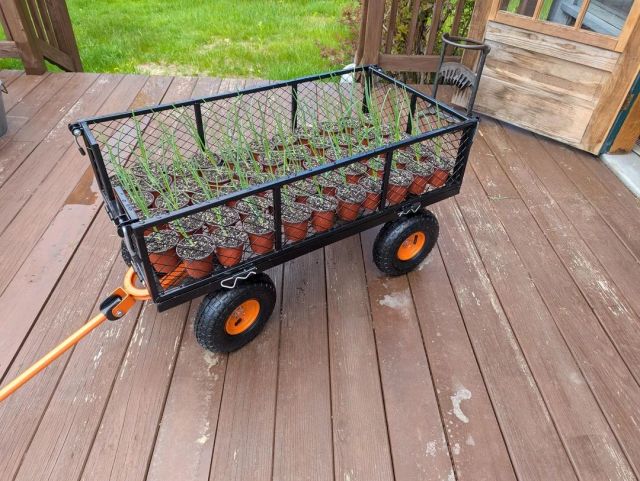
The gardener used a few sprouting Patterson hybrid onions and filled the hollow portions of the cinder block perimeter with gardening soil.
The original intention was to use these onions to mask the scent of their carrot crops and ultimately deter carrot flies and rabbits from feasting on their garden.
In their original post, many other gardeners warned against this idea. One commenter believed the cinder block cavities weren't large enough for growing onions. Another cited the soil heating up and drying out too quickly for successful plant growth.
TCD Picks » Quince Spotlight
💡These best-sellers from Quince deliver affordable, sustainable luxury for all




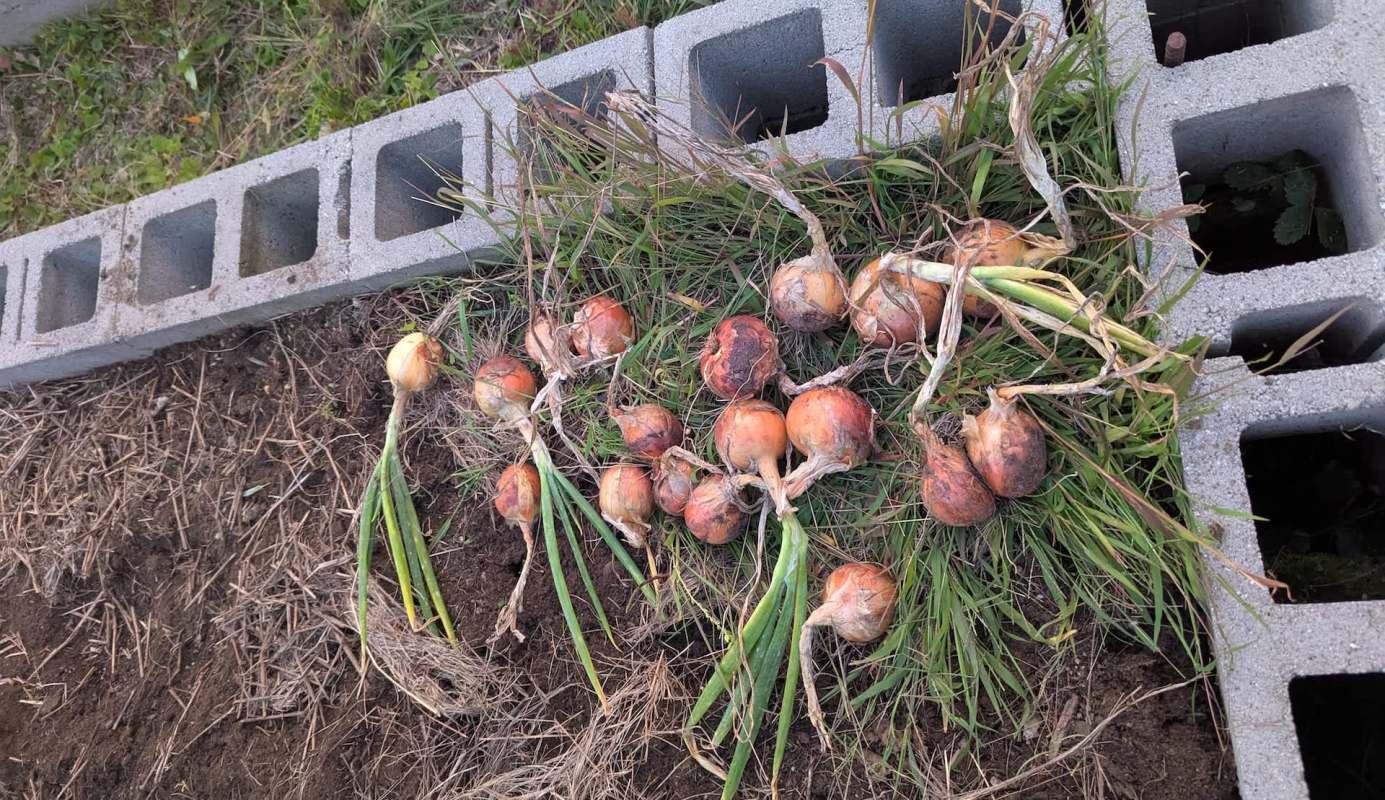
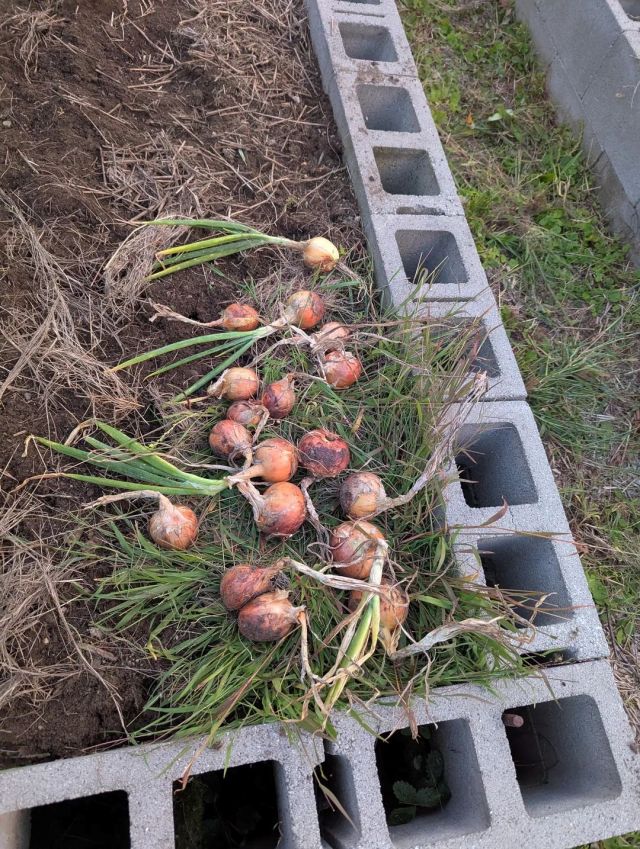
But, in their latest update, the original poster shared the unexpected success. Despite El Niño driving temperatures as high as 99 degrees Fahrenheit and an unusual and "considerable" drought, they were able to harvest several onions, with some bulbs splitting into twin or triplet bulbs.
"The onions growing in the cinder blocks seemed to be doing just as well as the first-year seedlings that had been planted nearby, within the raised beds themselves," the OP wrote.
Each planting pocket was set up as a deep column. The aligned cinder block holes measured about 24 inches from the top edge to the ground, and they filled roughly 10 inches at the bottom with straw mulch to improve drainage and cut down on how much soil was needed. Above that, they used loam mixed with one-third compost and tried to give the onions about 12 inches of soil depth.
According to the gardener, watering usually happened every other day when it did not rain, then shifted to daily once temperatures rose above 90 degrees. They added that the straw layer may have helped preserve moisture during the hottest weather.
"Congratulations! I remember reading your previous post and everyone [poo-pooed] your idea," a fellow gardener commented. "You must be incredibly pleased. And I am so happy for you."
Another commenter added, "Thanks for sharing your results! I've planted old shallots and had similar results."
One Ohio-based commenter also vouched for this cinderblock growing method after they had too many onion starters to fit in their raised garden bed. "Not only did they grow well but I ended up getting more from the cinder block onions than the onions in the ground," they wrote.
There are many ways to make the most of a small garden space and grow your own food.
More background
One surprise was that the older onions produced bulbs at all. Many commenters assumed that they wouldn't because they were in the second year of their life cycle.
The gardener said second-year onions can still be eaten as bulbs, though some develop tough inner layers and generally should be used soon after harvest.
They cut into one onion whose outer layer had started to rot, saw that the inside "looked like a normal onion," and decided to use the rest quickly. "I've since used them all up in the making of a French onion soup," they wrote. "It was good!"

Get TCD's free newsletters for easy tips, smart advice, and a chance to earn $5,000 toward home upgrades. To see more stories like this one, change your Google preferences here.






