


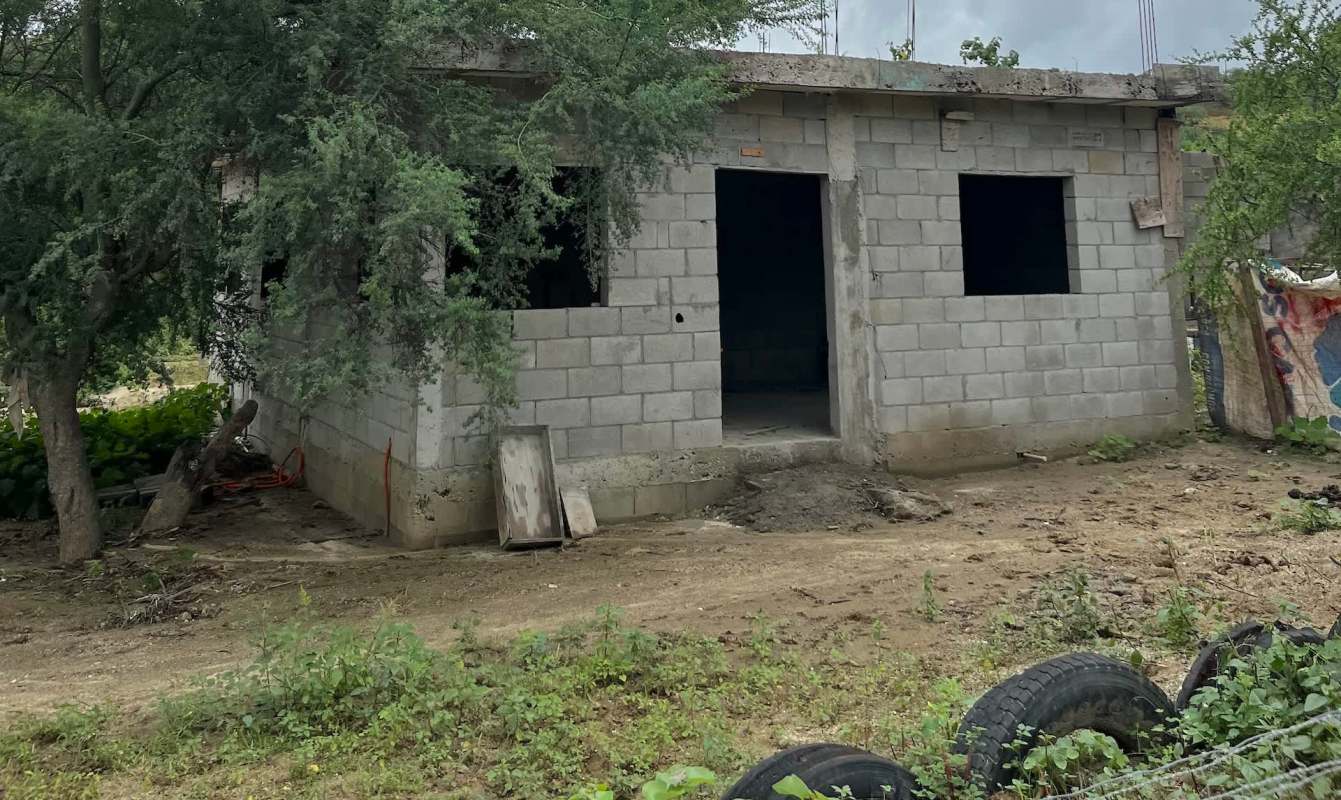
A Reddit post about an inherited lot in Mexico's Sea of Cortez area raised a tricky question: whether a rough-looking cinderblock structure was a total loss, or just an unfinished house that needed the right help.
Here's what to know
After inheriting a Sea of Cortez-area property from their mother, the original poster told the r/HomeBuilding subreddit they were trying to determine whether a partially built home on the lot was safe. They said a builder connected to her mother's church community had "basically scammed her."
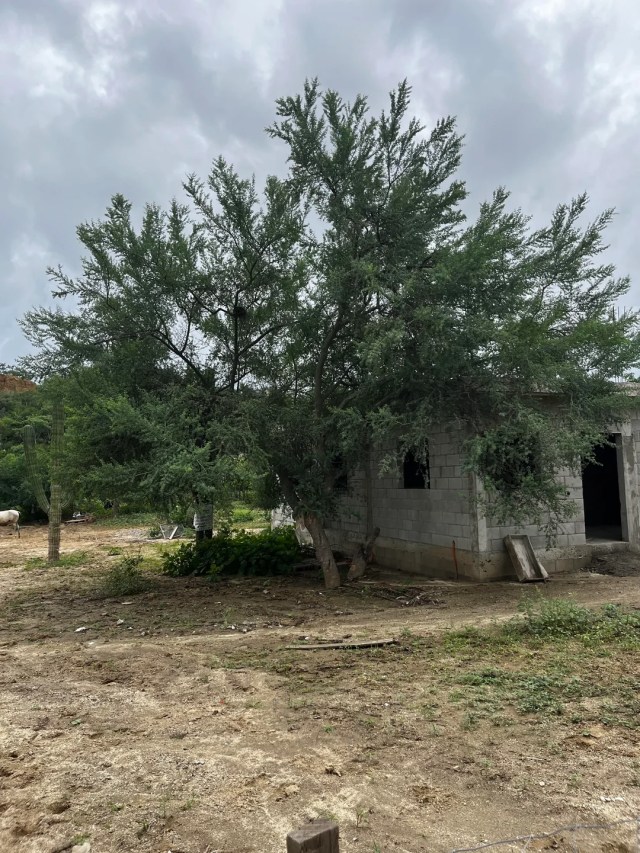
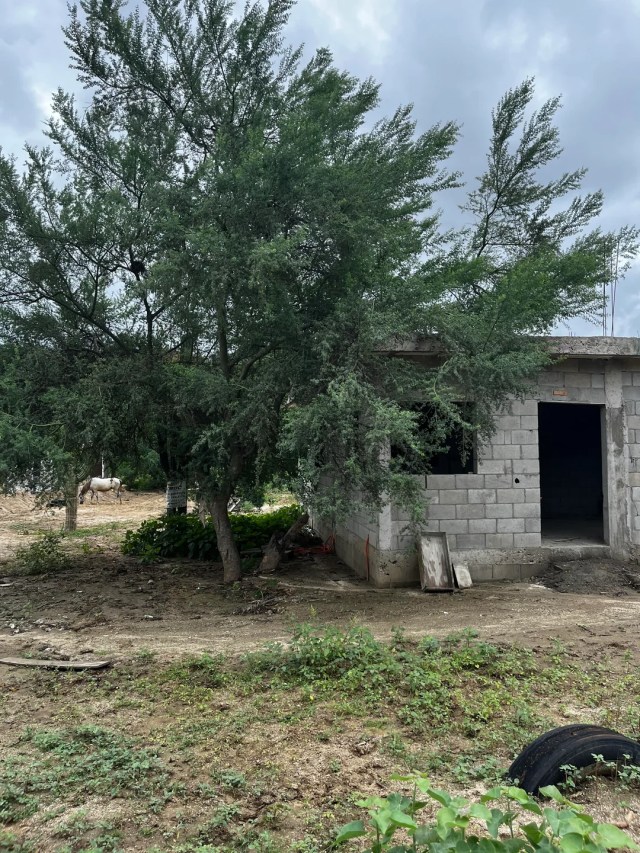
Their worries involved both the structure and the land around it. They said the cinderblock walls appeared to have "no columns or beams that I can see," the blockwork looked poorly connected, door and window frames were sagging, and water was already "seeping through the block walls." They also described the area as rural and unpaved, with nearby hills that could send runoff toward the property during hurricane season.
Still, replies in the Reddit thread suggested the situation might not be as dire as it appeared. One commenter who identified as a builder argued the case.
"The house might be built a little better than you think," they wrote. "It does have vertical columns reinforced with rebar."
In that commenter's view, exposed steel did not automatically signal a major problem. They said leaving rebar visible on a finished house "is a standard practice" in Mexico, where people sometimes plan to add another level later.
TCD Picks » Quince Spotlight
💡These best-sellers from Quince deliver affordable, sustainable luxury for all




Some responses focused less on construction details than on whether keeping the property made sense at all. One advised, "If you don't live in Mexico, sell the land as is and move on," while another said, "It's not great construction, but it'll stand. List it for sale and see if you get any nibbles. Let that guide you."
More background
The poster was also looking for practical guidance beyond a simple yes-or-no on demolition. They wanted to know rough rebuilding versus teardown costs in Mexico, what to ask a structural engineer or local construction professional, and how to judge flood risk on a lot near cerros where water already seemed to be entering the walls.
Several replies said the building looked more like ordinary, modest construction in Mexico than the poster may have assumed. One Spanish-language commenter called it essentially a starter home, and said the room spans did not appear especially wide.
The same commenter said the house appeared to sit on a concrete foundation and to have a roof slab system, while insisting it didn't need to be demolished. At the same time, commenters said photos alone could not settle everything, especially when it came to the foundation and drainage.
What can be done?
The most concrete next step suggested in the discussion was a local, in-person inspection. The builder commenter told the OP to "find an albañil who can take a look at the house and give you an opinion," reflecting how much of the thread turned on visible elements such as rebar, corners, and wall spans.
Runoff was another recurring issue. Spanish-language commenters said water usually leaves visible evidence of its path and recommended asking local residents where the water flows when it comes down from the hills.
Taken together, the comments pointed to three broad options: keeping and finishing the structure, reinforcing it instead of demolishing it, or selling the lot as-is.
Where can I learn more?
Similar questions come up in stories about unsafe homes and tough rebuilding decisions.
• In Scotland, a father proposed a game changer to save RAAC homes from demolition.
• On the Outer Banks, dangerous debris may be present after a house collapse closed beaches.
• A homeowner warned, "structural problems will happen" if giant bird-of-paradise roots crowd their house.

Get TCD's free newsletters for easy tips, smart advice, and a chance to earn $5,000 toward home upgrades. To see more stories like this one, change your Google preferences here.






