


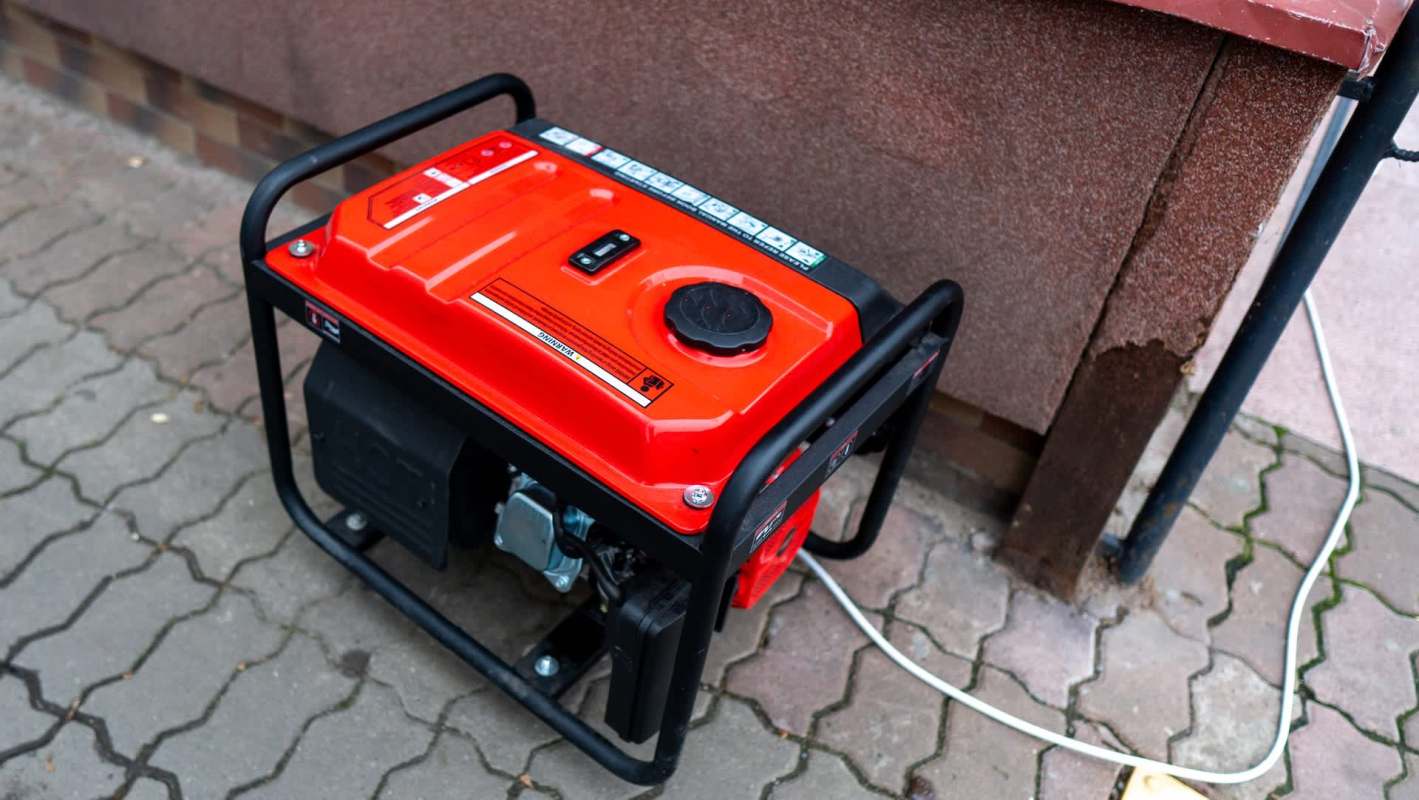
After this week's storms, Chicago-area homes and businesses numbering in the hundreds of thousands were still waiting for power to return. As officials rush to bring the grid back up, they are warning homeowners about generator safety.
Portable generators can be lifesavers during blackouts, but if used improperly, they can turn fatal within minutes.
What's happening?
According to Medical Daily, at the height of late July's severe weather, ComEd, the largest utility in Illinois, said more than 530,000 customers lost electricity as two storm rounds moved through the northern part of the state.
As of July 28, roughly 215,000 to 230,000 customers were still without power, the outlet noted.
In the first days after the storms, officials say portable generators are a particular worry.
Medical Daily reported that, according to the U.S. Consumer Product Safety Commission, carbon monoxide from portable generators causes about 100 deaths each year in the United States, largely in homes during weather-related outages.
TCD Picks » Quince Spotlight
💡These best-sellers from Quince deliver affordable, sustainable luxury for all




Part of what makes the threat so easy to miss is that carbon monoxide has no color and no smell.
The agency said, as the outlet noted, one portable generator can produce carbon monoxide on the scale of hundreds of cars. It also says generators should never be run in a house, garage, basement, crawlspace, shed, porch, or carport, even if a door or window is open.
Why does it matter?
The danger has already proven deadly nearby. Earlier this month, Medical Daily reported that three children in Wayne County, Michigan, were killed by carbon monoxide during storm outages after generators were used in a garage and a basement.
In addition to generator safety, Chicago's Office of Emergency Management warned of risks associated with downed trees and powerlines. Medical Daily noted that the agency had recorded nearly 2,000 tree-related emergency requests through the storms, along with hundreds of other reports involving debris, flooded streets, and flooded basements.
Residents were also warned by the Steger Fire Department to treat every downed power line as if it is live. Food can become a problem too: a refrigerator that stays closed is generally safe for about four hours, while a full freezer can hold temperature for roughly 48 hours if left shut.
What can I do?
Anyone using a generator should keep it outside and at least 20 feet from the home, with the exhaust aimed away from the building. In addition, homeowners should check the user manual of the generator model for further safety information.
Medical Daily noted that homeowners should always avoid running a generator in any fully or partially enclosed space, and do not assume an open window or a raised garage door makes it safe.
If flooding has entered your home, be careful around standing water near outlets, appliances, or the breaker panel. A flooded house should not have its electricity turned back on until an electrician has inspected it.
To limit what you lose in the outage, leave refrigerator and freezer doors closed as much as possible, and put refrigerated medications in an insulated cooler with ice when needed.
People should also know the symptoms of carbon monoxide exposure, including headache, dizziness, weakness, nausea, confusion, and blurred vision. If you think that has happened, get into fresh air immediately, call 911, and do not go back inside the building, Medical Daily reported.

Get TCD's free newsletters for easy tips, smart advice, and a chance to earn $5,000 toward home upgrades. To see more stories like this one, change your Google preferences here.






