


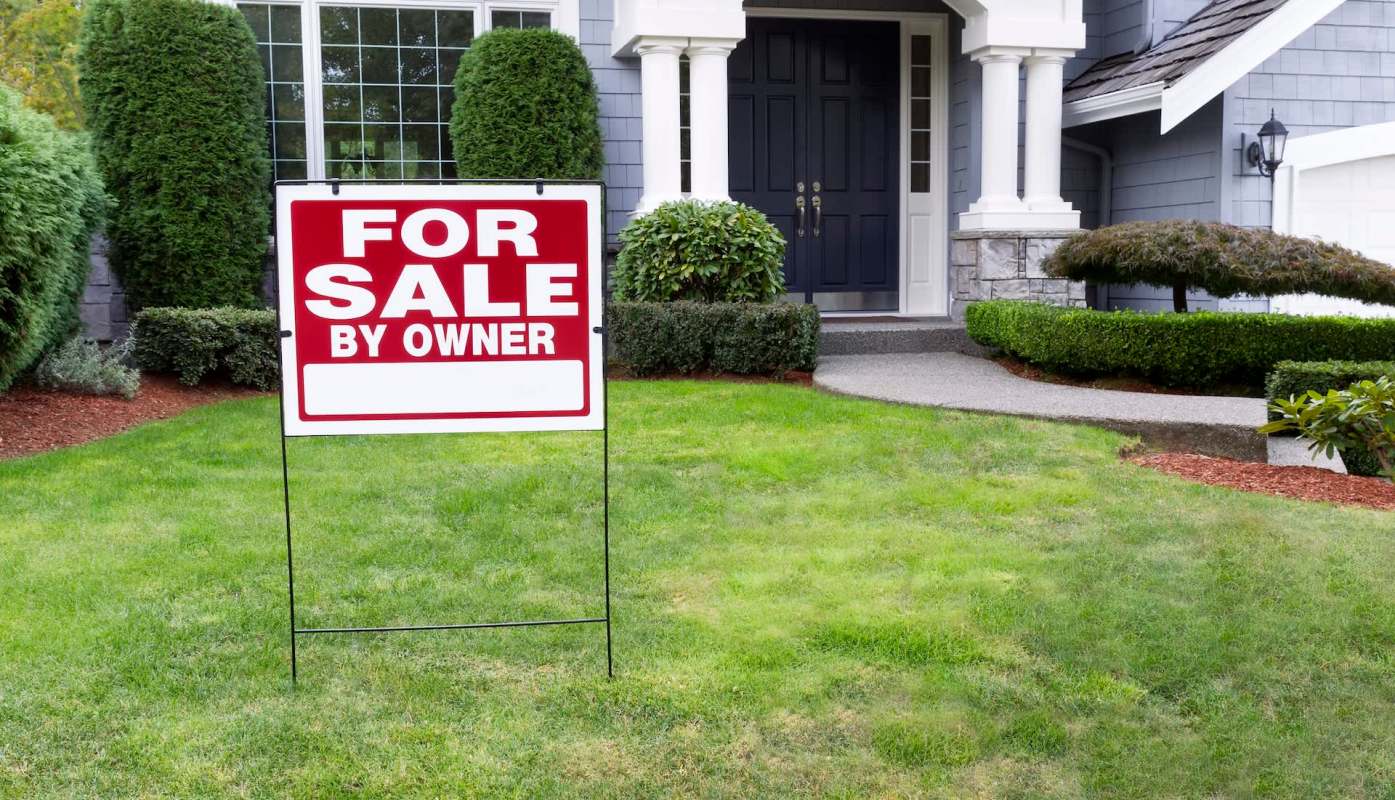
A central Ohio family believed they might be getting an unusually low price. The listing was $370,000 for a 2,390-square-foot, four-bedroom home in a desirable school district.
That sense of value weakened after the inspection uncovered an array of issues and sparked an online debate on their next move.
Here's what to know
In the thread on Reddit's r/FirstTimeHomeBuyers, the buyers said the seller had accepted their offer. They also said they had already put down $4,000 in earnest money, their mortgage application had passed underwriting, and a $600 appraisal was still ahead.
Part of the appeal was how far below nearby sales the property seemed. The original poster said comparable homes in central Ohio had sold for roughly $445,000 to $510,000, though those properties differed in both size and condition.
According to the inspection, the house had about a quarter-inch of deflection in a block foundation wall, deck rot and improper flashing where the deck meets the home, a roof close to the end of its useful life, a furnace from 1996, an AC unit more than 30 years old, and crawl-space problems including a torn vapor barrier, rodent-damaged insulation, and suspected microbial growth.
The buyer described the decision this way: "We're trying to make a rational decision before going any further."
TCD Picks » Quince Spotlight
💡These best-sellers from Quince deliver affordable, sustainable luxury for all




"It sounds like the seller priced accordingly to account for those issues," a commenter reacted.
More background
Much of the discussion turned to uncertainty, especially the possibility that repair costs could widen.
The family estimated about $35,000 to $55,000 if the major problems stayed limited, $55,000 to $85,000 if hidden damage was more extensive, and $85,000 to $100,000 or more if the structural work proved severe.
That cost range led some commenters to question whether the apparent bargain was real. One wrote, "$370k + 55k-to-100k mean/ you're really paying $425k-$$470k and having to live through all the work," contrasting that total with buying a higher-priced house that comes with fewer unknowns.
The contract added another complication. The family revealed they had waived their right to ask the seller for repairs or credits, but could still walk away in good faith if they were not satisfied with the inspections. That made the decision purely about whether to accept the risk or back out.
Other commenters zeroed in on what might still be hidden. One said they would avoid "any house that has a structural issue," and warned the older roof "could make it hard to get insurance."
What can be done?
The most common advice was to get more targeted expert opinions.
One commenter told the buyer, "You need to hire additional inspectors that specialize in those skillsets and see what they say before proceeding."
Another commenter focused on the settling issue, saying it "needs an engineering company to look," while suggesting a home warranty. Even commenters who were not firmly against the purchase stressed the same point.
"It seems like the seller has it for a fair price based on other homes in the area and with estimates for repairs," a commenter, who had bought an issue-laden house, suggested. "But with that, I wouldn't proceed if I didn't have the cash to make some of the repairs."
Where can I learn more?
Buyers dealing with inspection surprises often run into the same questions about structural damage, crawl-space issues, and what repairs might really cost.
• A first-time homeowner learned a basement support post deemed fine actually needed repair.
• After touring seven homes, one buyer found major structural flaws in four of them.
• A buyer weighing a 1978 home was told one crawlspace issue needed an engineer.
• One family who bought sight unseen later faced a $25,000 foundation problem in their fixer-upper.
• A buyer under contract learned basement posts sit on unanchored jack plates.

Get TCD's free newsletters for easy tips, smart advice, and a chance to earn $5,000 toward home upgrades. To see more stories like this one, change your Google preferences here.






