


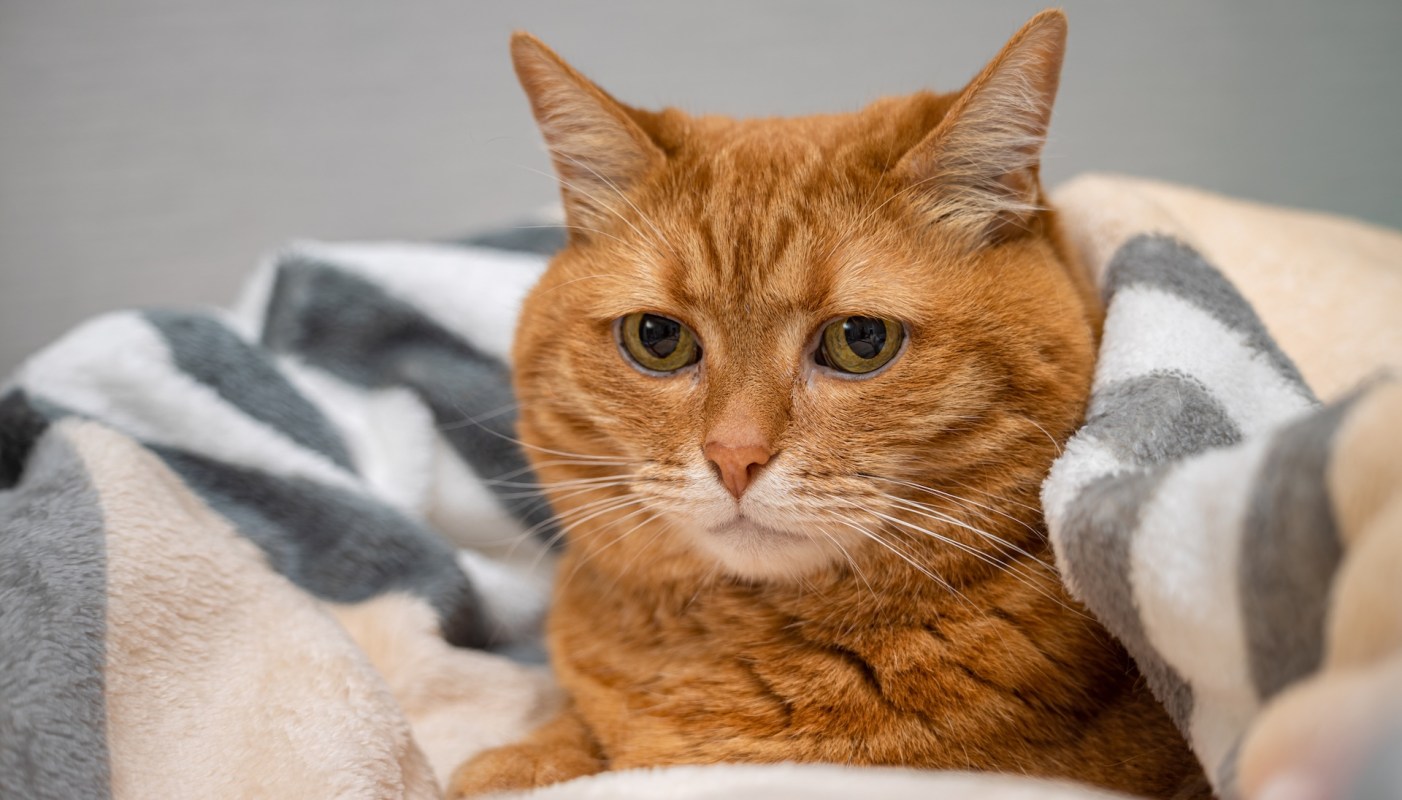
More than 70 cats are now starting what could be a lengthy recovery after being taken from a rural Minnesota home in what the Animal Humane Society described as a severe hoarding case.
What happened?
A report from a worried neighbor led Animal Humane Society rescuers to a property in Sibley County, Minnesota, where 71 cats and kittens were removed on Tuesday, July 7, per ABC5.
After investigators went inside, they determined the conditions were dangerous for both the animals and any people entering the building.
The Animal Humane Society detailed what rescuers found, describing the scene to PEOPLE, saying, "The ammonia levels in the structure were dangerously high, the cats had no access to water, and the cats were living among piles of trash, carpets of feces, and crumbling walls."
Many of the cats had open wounds that will need ongoing veterinary attention. The organization also said the rescued animals, which ranged in age, arrived hungry, underweight, and suffering from respiratory infections.
People later shared images of the home.
TCD Picks » Quince Spotlight
💡These best-sellers from Quince deliver affordable, sustainable luxury for all




What's being done?
The cats are now undergoing exams and treatment at the Animal Humane Society's Golden Valley facility, People reported.
But before adoption is considered, the cats will receive necessary vaccinations, sterilization procedures, and behavioral assessments.
Once they have stabilized and finished those evaluations, the cats will be transferred to the organization's adoption centers in Coon Rapids, Golden Valley, and Woodbury to begin looking for permanent homes. The adoption process could begin as early as next week.
Why does it matter?
Animal hoarding often creates serious health risks that extend beyond the pets involved.
In this Minnesota home, dangerously high ammonia levels and extreme filth threatened the cats' well-being while also creating unsafe conditions for any humans entering the structure.
Luckily the neighbor's report helped investigators rescue these animals from the conditions.
But a rescue of this scale, involving more than 70 animals, is a major undertaking for both shelters and veterinary teams.
Each cat requires medical care, monitoring, and time to regain both weight and trust, straining staff and resources even at organizations equipped to respond. So it may be a lengthy process before each of these animals is happy and healthy.

Get TCD's free newsletters for easy tips, smart advice, and a chance to earn $5,000 toward home upgrades. To see more stories like this one, change your Google preferences here.






