


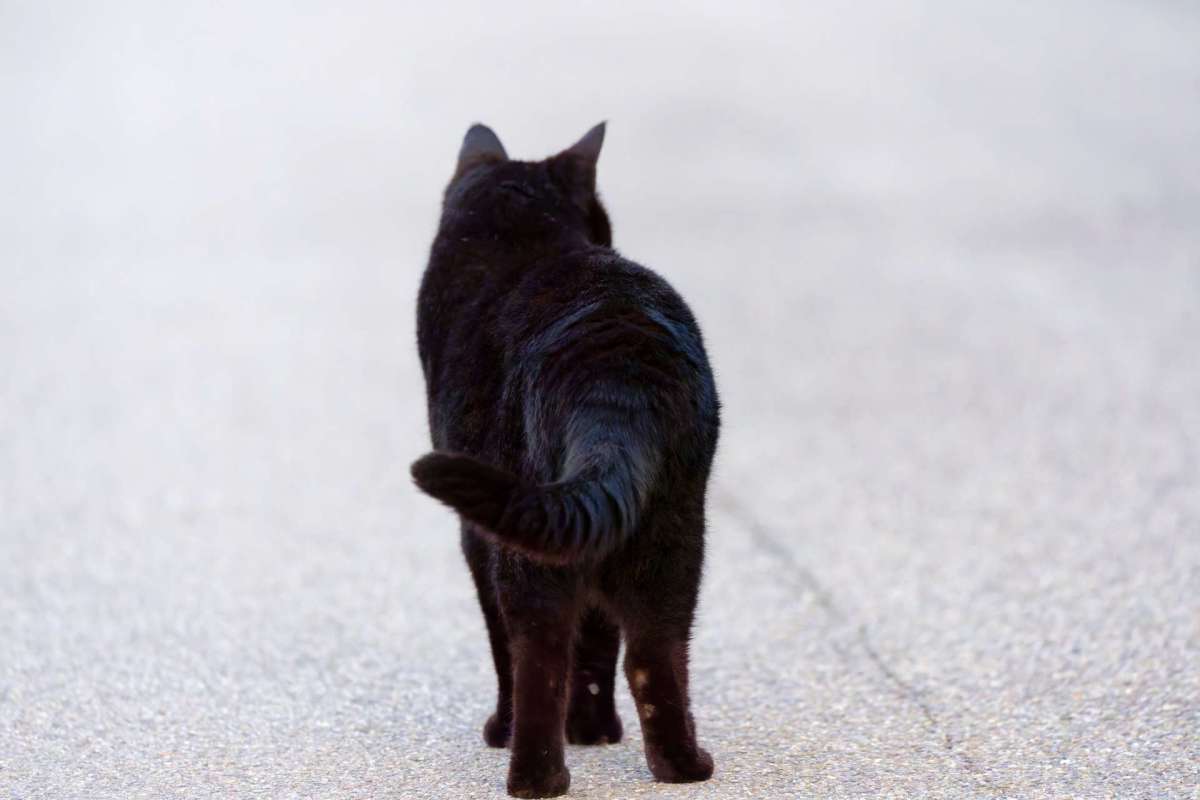
After being missing for over two years, Tracy, a cat from Georgia, was safely found in Florida and returned to the owner who had feared she'd never see her again.
For Samantha Sussman, the key to getting Tracy back was something simple: the cat had been microchipped.
What happened?
According to FOX 35 Orlando, Tracy vanished after sneaking out of Sussman's home near Atlanta.
As the search stretched on with no updates, Sussman began to worry that she might never find her, FOX 35 Orlando reported.
But after a grueling two whole years, Tracy was fortunately found in Palm Coast, Florida. The person who came across her was Nicholas DeSantis, a nonprofit owner nicknamed "The Dogfather" because of his animal rescue work, FOX 35 Orlando reported.
Before locating the owner, DeSantis posted photos of Tracy in local Facebook groups for lost pets, FOX 35 Orlando reported, but no one claimed her.
TCD Picks » Quince Spotlight
💡These best-sellers from Quince deliver affordable, sustainable luxury for all




A microchip scan then led him to Sussman.
FOX 35 Orlando reported that Sussman and Tracy met at the Florida-Georgia state line, bringing the two-year disappearance to an end.
Sussman described the reunion this way: "I was crying happy tears. I literally thought I would never see her again."
Why does it matter?
When pets go missing, families often have no way to learn where they ended up if the animal cannot be identified.
In Tracy's case, the microchip provided the answer and made the reunion possible.
Even after years away or travel across long distances, a chipped pet can still be connected to its home.
Tracy's physical condition made the story stand out even more. Sussman said the cat looked like she had been cared for while she was gone.
Tracy's missing poster, cited by The Dogfather Charity Transport, stated that she was a "very friendly cat" who seemed well socialized rather than skittish, like a cat without an owner.
According to Sussman, that hasn't changed. "She doesn't appear to be like a cat that has been missing for two years," she said. "I'm very grateful, and it's very fortunate that she was taken care of."
What's being done?
DeSantis handled the situation with a basic series of steps: sharing clear photos, checking local community groups, and scanning Tracy for a microchip.
Cases like Tracy's show why veterinarians, rescues, and shelters regularly urge pet owners to microchip their animals. Collars and tags can come off, but a microchip gives rescuers another way to identify a pet and reach the owner.
Of course, that protection depends on the contact information attached to the chip being accurate, including the phone number, email address, and home address.
FOX 35 Orlando reported that DeSantis said the chip scan connected him quickly with Tracy's owner, and Sussman said the connection between her and Tracy was obvious right away: "She remembered me immediately, which I was really excited about."

Get TCD's free newsletters for easy tips, smart advice, and a chance to earn $5,000 toward home upgrades. To see more stories like this one, change your Google preferences here.






