


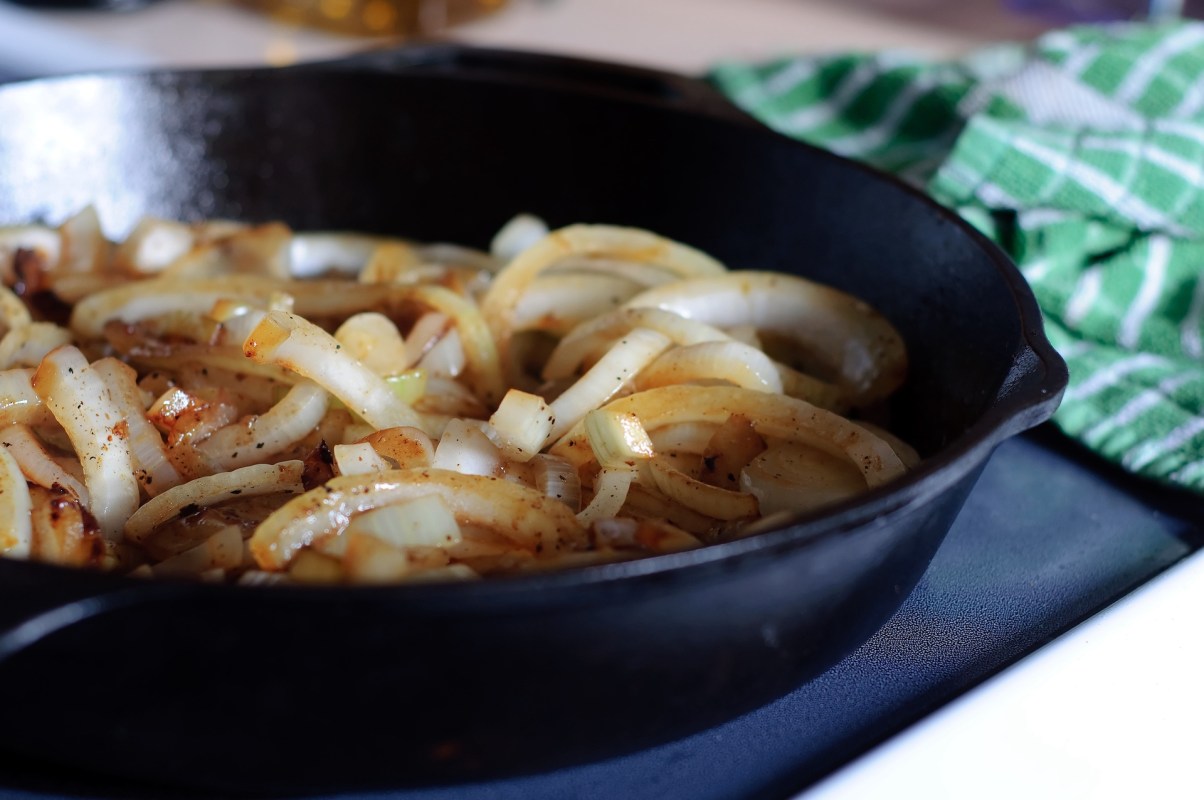
Is cast-iron cookware genuinely superior, or has it simply become the stuff of kitchen legend?
That was the question at the center of a lively thread on Reddit's r/BuyItForLife forum.
What happened?
A user's post about cast-iron skillets drew a spirited debate among commenters.
For plenty of home cooks, the answer was simple in that it's hard to argue with a roughly $30 pan that could still be used generations later.
Many commenters said cast iron has earned its reputation because it is affordable, durable, and repairable. Redditors also pointed to Lodge as the obvious starter brand, with one noting that the company has been around since the 1800s and still sells entry-level skillets for around $30.
The thread was not exactly a declaration that cast iron is the one perfect pan, though. Stainless steel and carbon steel also drew plenty of support, especially from people who prefer lighter cookware or want more precise heat control.
TCD Picks » Quince Spotlight
💡These best-sellers from Quince deliver affordable, sustainable luxury for all




The broader consensus was less "cast iron is best at everything" and more that it remains one of the clearest examples of a product built to last.
Why does it matter?
Many everyday products are designed with shorter lifespans in mind, and cookware is no exception.
Nonstick pans, for instance, remain popular because they are convenient. But commenters repeatedly pointed out that good times don't last.
"The coating on a non-stick pan will fail, rendering the pan garbage," one user wrote. "We have cast iron cookware pieces that are between 60 and 100 years old, and will outlast us."
A pan that can be restored instead of thrown away can save money over time and reduce repeat purchases.
Even the maintenance, which can seem intimidating to newcomers, was described by longtime users as manageable. Cooks simply wash it, dry it, and occasionally oil or reseason it.
There were some caveats. Cast iron retains heat extremely well, making it great for searing, but it is also heavy and less nimble than stainless steel. Fans of carbon steel argued that their preferred pans offer similar longevity without as much weight.
The "best" option still depends a lot on how someone cooks, but durability was the main reason cast iron kept coming up.
What should I do?
Commenters overwhelmingly suggested keeping things simple. Rather than hunting down a rare vintage skillet, they recommended buying an inexpensive 10- or 12-inch pan from a mainstream brand and seeing how it fits into your routine.
The maintenance advice was also more relaxed than some cast-iron myths might suggest. Multiple users said modern dish soap is generally fine, as long as the pan is hand-washed and dried thoroughly afterward.
The thread also offered alternatives. Carbon steel was a favorite among people looking for a lighter everyday workhorse, while stainless steel remained the pick for tasks that require more control or involve acidic ingredients.
In the end, though, cast iron was worth the hype.
"You could go out your back door, literally throw it into the yard, leave it there for five or ten years, then go find it and get it back as good as new again," a user asserted.

Get TCD's free newsletters for easy tips, smart advice, and a chance to earn $5,000 toward home upgrades. To see more stories like this one, change your Google preferences here.






