


When buying or owning an older home, one can expect to uncover plenty of costly problems. However, when safety is at issue, concerns can go well beyond the price of repairs.
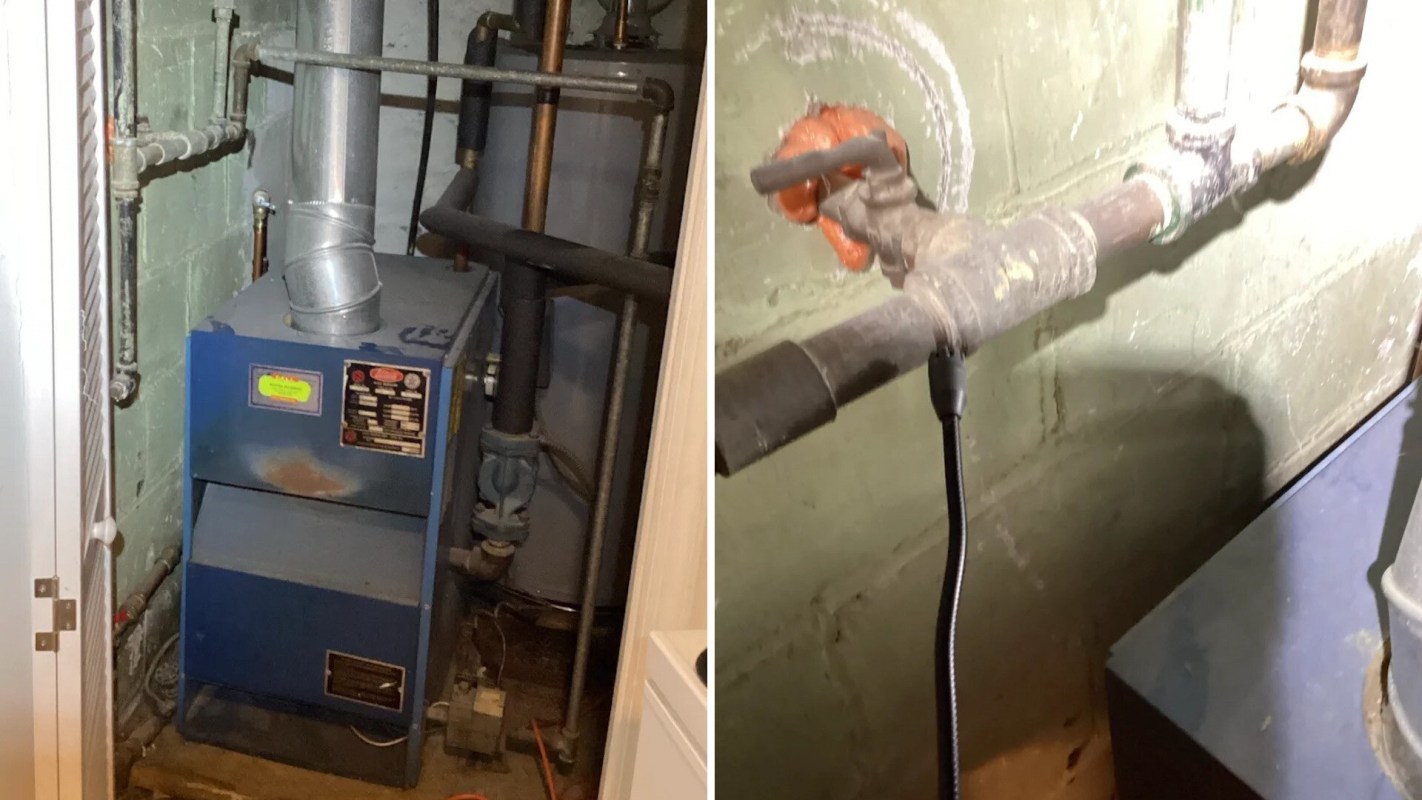
This was the case for one potential homebuyer who turned to the internet for advice after receiving conflicting information about an aging boiler.
Here's what to know
On Reddit's r/askaplumber, the prospective buyer expressed confusion over conflicting reports from a home inspector and an HVAC professional.
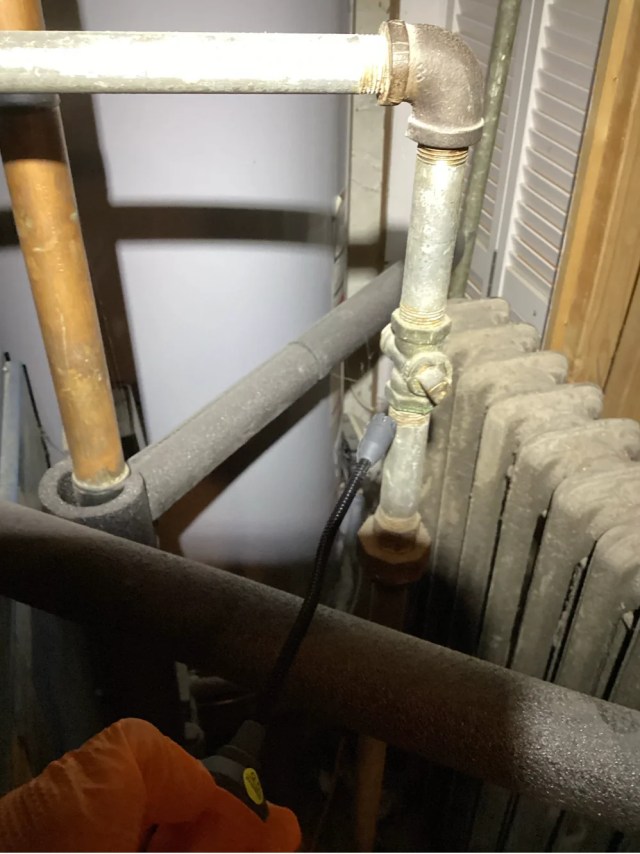

The homebuyer said that the inspector had concluded that "combustion exhaust is escaping from boiler jacket penetrations (carbon monoxide hazard)."
To the original poster, this sounded like a potentially serious issue.
However, when the seller's licensed HVAC repairman subsequently conducted their own inspection, they reported that they "checked gas piping joints with a combustible-gas detector and leak-detection solution and found no fuel-gas leak."
The OP turned to Reddit for possible explanations for the seemingly contradictory reports.
Some commenters suggested the seller's technician tested the fuel-gas piping rather than the boiler's exhaust.
Save $10,000 on solar panels without even sharing your phone number Want to go solar but not sure who to trust? EnergySage has your back with free and transparent quotes from fully vetted providers in your area. To get started, just answer a few questions about your home — no phone number required. Within a day or two, EnergySage will email you the best options for your needs, and their expert advisers can help you compare quotes and pick a winner. Solar panels can save you more than $50k over their 25-year lifespan, and EnergySage can help you save as much as $10k on installation. Which begs the question — isn't that worth an email or two? |

"The hvac guys didn't check the right place," wrote one. "They checked the gas lines, not combustion and exhaust."
For homeowners considering upgrading older equipment, a heat pump can help save money on energy costs. Upgrading a separate water-heating system to a heat pump water heater can significantly cut energy use, allowing many households to save hundreds of dollars per year on utility bills.
More background
As some commenters pointed out, a gas leak and a combustion-exhaust leak are not the same issue. Unburned fuel escaping from piping is one hazard, while improperly vented exhaust can expose people to carbon monoxide, an odorless gas that can become dangerous and even deadly indoors.
Several commenters read the inspector's note as a sign of a venting, drafting, or internal boiler problem instead of a leaking gas connection.
By way of analogy, one Redditor wrote, "This is like saying that there's a drain leak in a sink, then the plumber only checks the supply water lines."
What can be done?
Rather than relying solely on a seller-arranged inspection, a potential homebuyer in the OP's position might want an independent third opinion from a qualified boiler or combustion specialist. Asking for a combustion analysis, draft test, carbon monoxide testing, and a close review of the heat exchanger, venting, and jacket penetrations can help determine whether the unit is safe to operate.
If the boiler is nearing the end of its life, the inspection could also become an opportunity to rethink other aging home systems. Cala makes customizable smart heat pump water heaters that help homeowners decrease their energy bills by heating water exactly when it's needed. That kind of targeted heating can reduce wasted energy from keeping hot water ready around the clock.
For shoppers building a longer-term upgrade plan, Cala's approach also offers comfort and predictability: The system is designed around household demand rather than one-size-fits-all heating schedules. Combined with available rebates in some areas, efficient water-heating upgrades can help make monthly bills more manageable. And for homeowners hoping to pair safety improvements with lower utility costs, Cala is one example of how smarter hot-water technology can fit into the picture.
Where can I learn more?
These stories look at similar combustion and ventilation problems that can happen with household equipment. They cover carbon monoxide exposure, overlooked gas hazards, and appliances that may not be safe to use.
• A homeowner learned 180 ppm is too high after a gas smell by a new furnace.
• A tenant said the city will fine him after a landlord ignored carbon monoxide danger.
• A homeowner lost confidence after improper appliance installation filled the house with carbon monoxide.
• A tenant warned that a super dangerous gas leak from a stove was being dismissed.
• Indoor cooks were warned that having a tailpipe from a stove can pollute the whole house.

Get TCD's free newsletters for easy tips, smart advice, and a chance to earn $5,000 toward home upgrades. To see more stories like this one, change your Google preferences here.






