


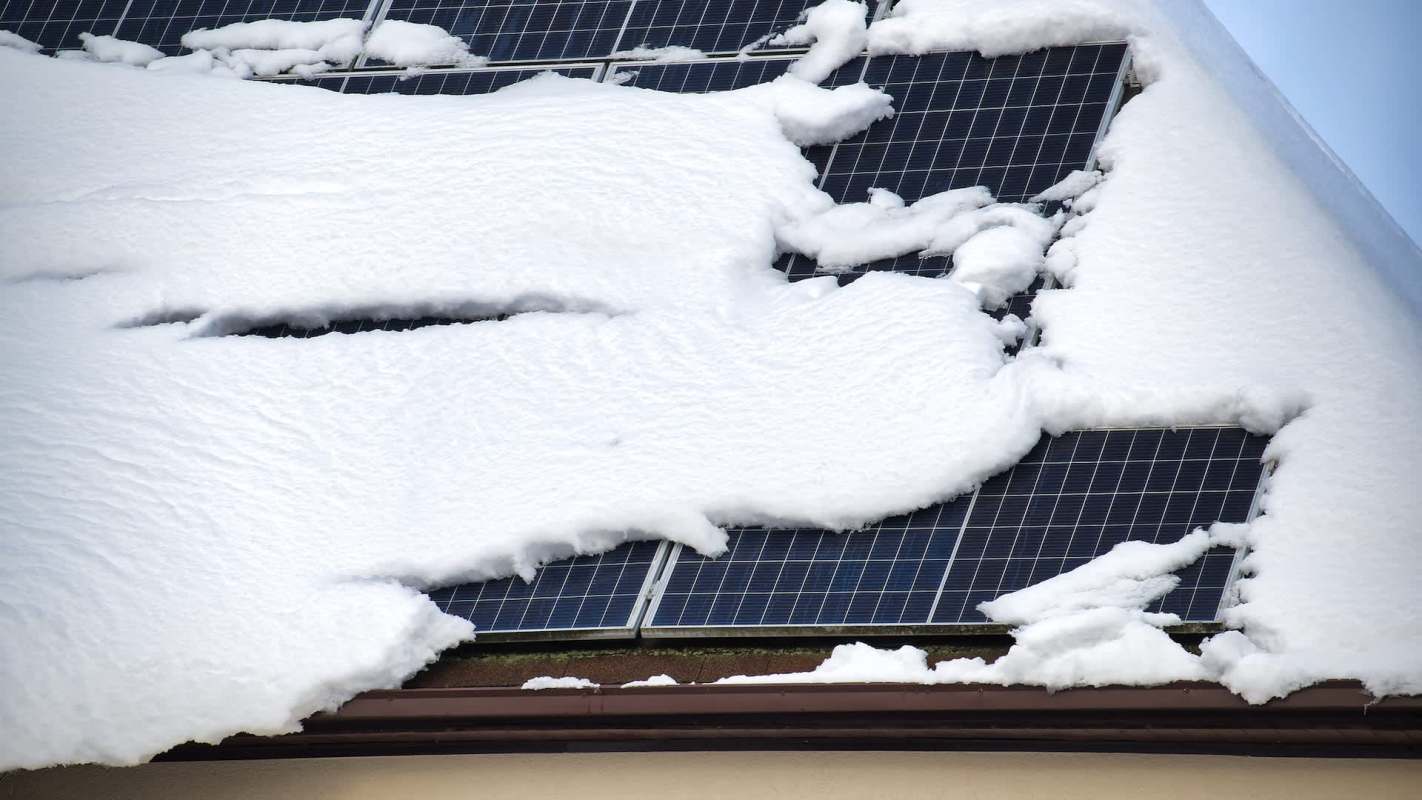
One Cape Cod homeowner says the appeal of rooftop solar had little to do with maximizing payback. Three weeks after installing a 9-kilowatt system, he said the main benefits were having power during outages and reducing costly summer electric bills.
In a post on Reddit, a Cape Cod, Massachusetts, resident described the first few weeks with his new setup. The homeowner said his system uses 20 Talesun panels, each rated at 450 watts, and he has been constantly checking the Enphase app since it was turned on.
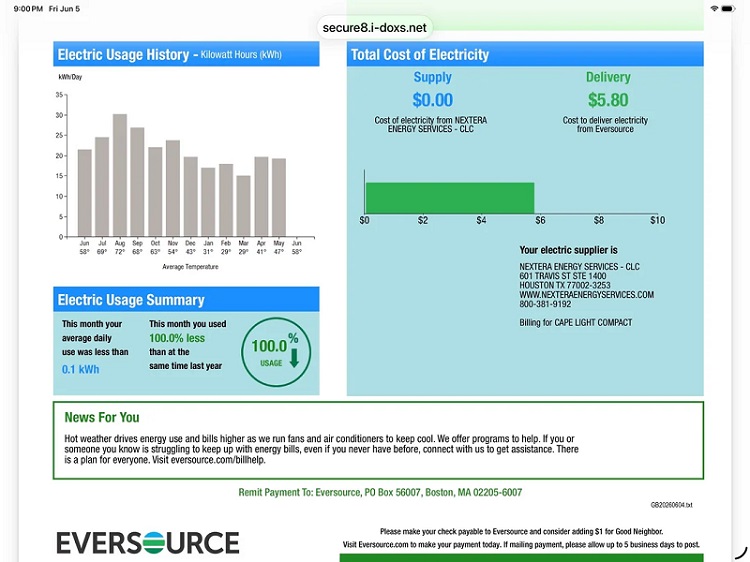
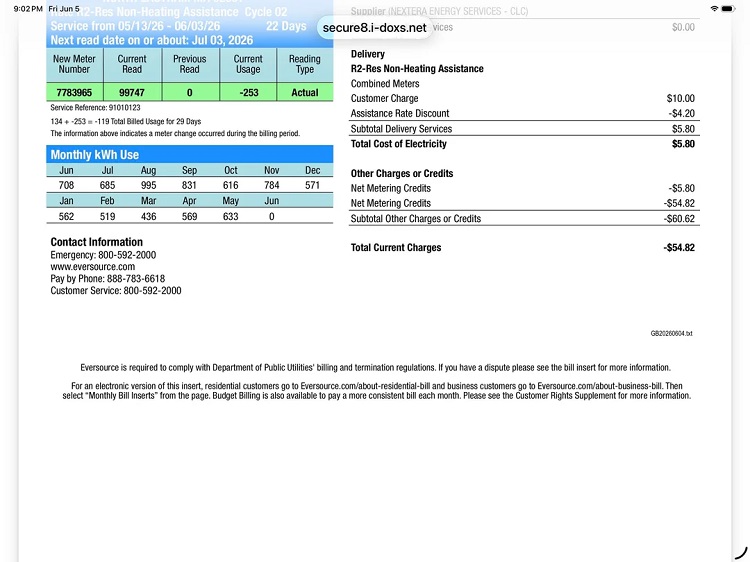
He captured his view of the purchase in a single sentence: "Best 27k cash I ever spent," adding
"I don't care about ROI."
The details of his post made clear that the installation involved more than the panels on the roof. He said the system also includes about 50 kilowatt-hours of Jackery backup batteries, a smart switch, and a transfer switch.
Additionally, he benefits from 1-to-1 net metering, meaning he can get paid for the energy he produces and feeds back into the grid.
His focus on backup power appears to be central to his decision to buy the system, especially given the area's severe weather. In his words: "I don't care at all about roi - I care about powering my whole house through a 80 hour blizzard and not getting a 400 dollar August bill."
TCD Picks » Quince Spotlight
💡These best-sellers from Quince deliver affordable, sustainable luxury for all




The original poster's experience highlights several reasons people go solar, and that not all buyers are singularly focused on a break-even timeline. Rather, many care more about adding backup power, lower monthly bills, and more control over energy use at home.
In places that regularly deal with major storms, the ability to keep lights on, save refrigerated food and medication, and run most of the house for days can matter more than a strict return-on-investment calculation.
If you want to make the switch to solar power, EnergySage can help you save up to $10,000 on your installation and connect you with vetted local installers. If buying panels isn't in your budget, Palmetto's $0 down LightReach program can save you up to 20 percent on your monthly energy bills.
Meanwhile, 1-to-1 net metering can make daytime solar production more valuable by offsetting electricity used later, helping reduce expensive summer usage.
The post also points to a broader truth about solar in states like Massachusetts, where upfront costs can be higher even as policy support improves the economics. Programs and incentives such as SMART and renewable energy credits can improve the overall financial picture over time.

Get TCD's free newsletters for easy tips, smart advice, and a chance to earn $5,000 toward home upgrades. To see more stories like this one, change your Google preferences here.






