


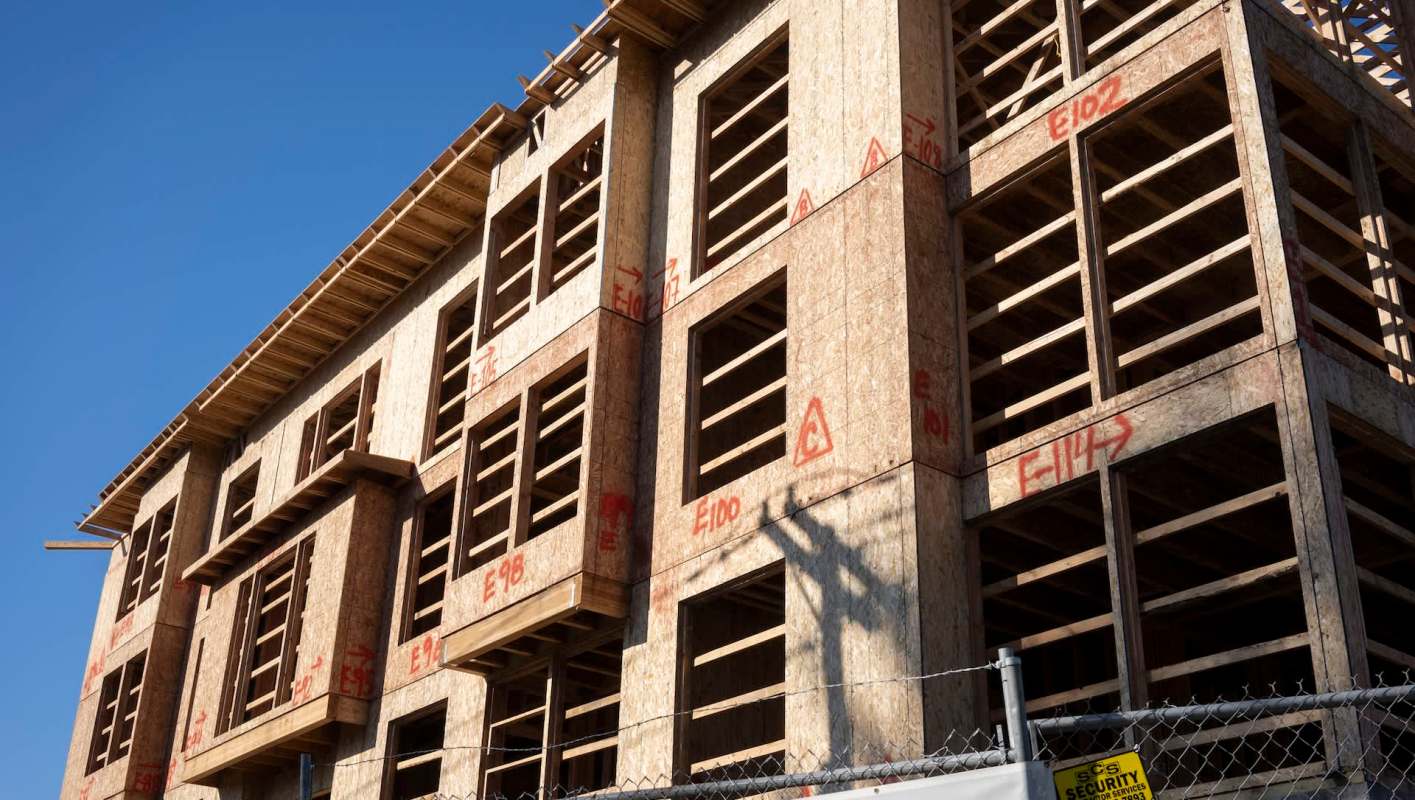
In Cambridge, Massachusetts, an overhaul of housing rules meant to expand the city's limited supply is now sparking neighborhood disputes.
For some residents, the most visible effects include parking worries, home teardowns, and concerns that development is outpacing the people who already live there.
Here's what to know
Under Cambridge's multifamily housing ordinance, approved in February 2025, it became easier to build new housing, as Boston 25 News reported. Those rules generally allow multifamily buildings up to four stories, with a setback of just five feet.
The zoning update was meant to respond to a long-running housing shortage, the station explained. Cambridge had aimed to add 12,500 units by 2023, and builders are already acting on the more flexible standards.
For some neighbors, though, the transition feels too abrupt and too lightly regulated. Kiril Alexandrov, who has lived in Cambridge for more than 30 years, told Boston 25 News his "first reaction was horror, because it was sticking out like a sore thumb" when he saw one of the new projects.
Parking has emerged as another major point of tension, the outlet added. Since the updated rules do not require parking, some new developments are being built without any off-street spaces.
TCD Picks » Quince Spotlight
💡These best-sellers from Quince deliver affordable, sustainable luxury for all




More background
Alexandrov said the issue goes beyond the look of the buildings.
"They call it multi-family units, but what family is going to want to live in this rectangular box with no green space and no parking?" he asked Boston 25 News. "That's changing the chemistry and the balance, which makes Cambridge such an interesting place, as well as ruining the diversity."
A similar complaint came from Carl Graham, a lifelong Cambridge resident who is watching two new projects go up across from his house.
"This unit won't have no parking and so they're going to be fighting with me on this side to park their cars," Graham pointed out to the station.
Building more homes in already developed areas can help reduce sprawl and make communities more walkable, but growth can also raise concerns about green space, street congestion, and public input.
What's being done?
City leaders say they recognize those tradeoffs. Cambridge City Manager Yi-An Huang noted to Boston 25 News that the city's top priority is still getting more housing built, while also considering what that means for the neighborhoods absorbing the changes.
"We need to get the housing built, and we also have to be considering what the implications are," Huang said. "These are hard conversations as we're trying to make sure that we're getting the number one priority done and also managing a lot of other demands and things that we are responsible to deliver on as a city."
Huang added to the station that the city is already weighing changes to setbacks, unit sizes, and other development rules.
Residents have also started tracking permits and project sites through their own online database, while the city has posted housing reports for public review.
For neighbors who feel blindsided, the frustration remains straightforward.
"Big changes, and this is like one of the biggest ones where we feel we weren't asked as residents," Alexandrov declared to Boston 25 News. "Like do we want this?"
Where can I learn more?
Cambridge's housing fight reflects a broader question facing many communities of how to add more homes without intensifying concerns about parking, scale, and neighborhood change.
• In California, new infill housing rules could steer more homes into existing neighborhoods.
• In major cities, empty office towers becoming apartments are emerging as another affordable-housing fix.
• In Indianapolis, a home surrounded by massive parking lots has become a cautionary land-use symbol.

Get TCD's free newsletters for easy tips, smart advice, and a chance to earn $5,000 toward home upgrades. To see more stories like this one, change your Google preferences here.






