


As Southern California heads into an El Niño winter, people recovering from the Eaton and Palisades fires are being told to prepare for the possibility of heavy seasonal rain.
On lots where the Eaton and Palisades fires destroyed homes or businesses, exposed ground can flood or erode more easily, and contaminants left in the soil may be carried downstream as storms intensify.
Here's what to know
According to LAist, experts say fire survivors should start getting their properties ready for rain. Burned parcels face added risk once plants and root systems are gone, because there is less to hold the soil in place. Rain can also pick up toxic metals that may still be present in the soil and move them into downstream areas.
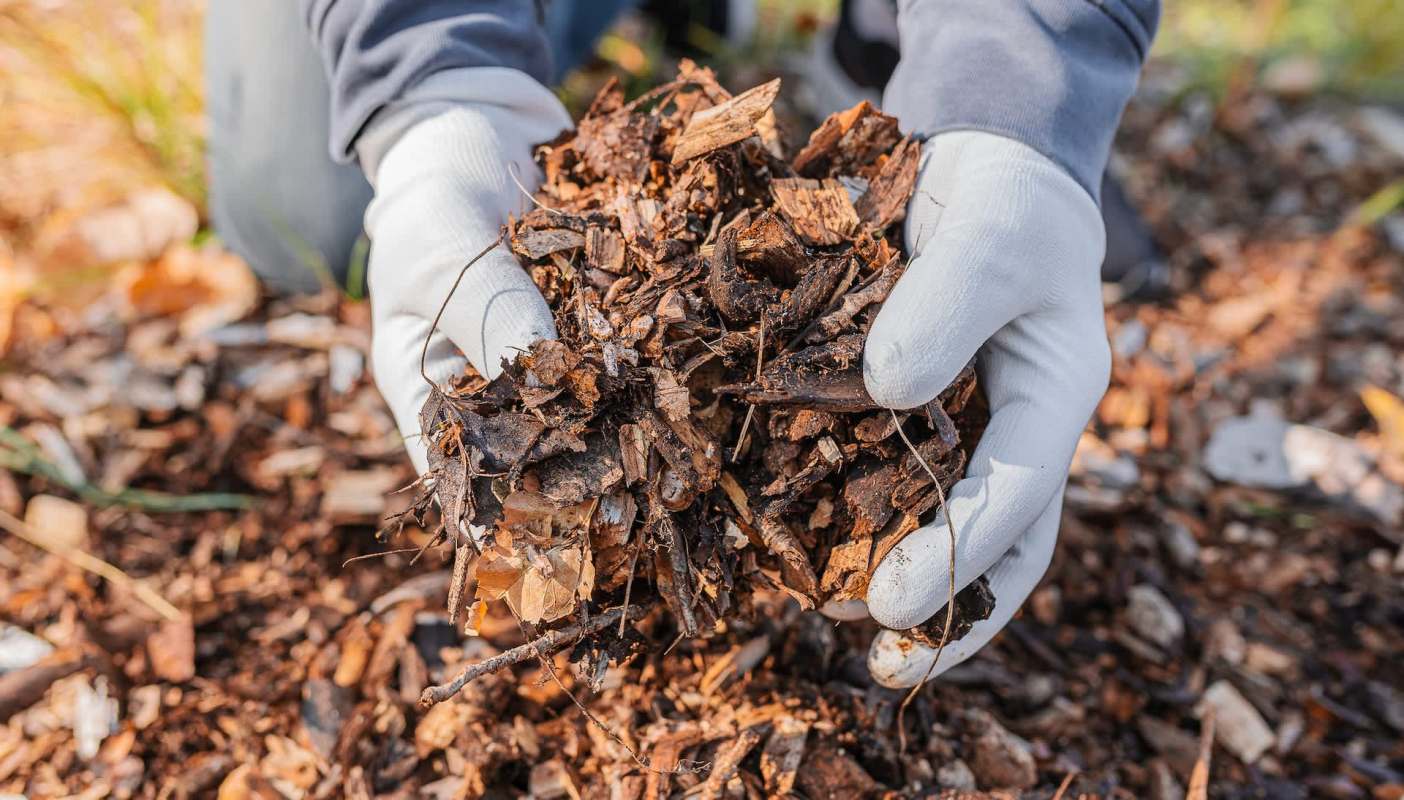
One method being examined by University of California Agriculture and Natural Resources soil scientist Natalie Levy is using organic mulch.
In a pilot effort, Levy and 14 Altadena property owners covered their lots with 1 to 2 inches of compost "erosion-control blankets" made from a mix of fine-screened compost and larger, coarser composted mulch.
"Think of this coarse composted mulch as a protective blanket," Levy said. "Your strategy here is you're reducing rainfall hitting bare soil directly. We're really trying to slow the movement of water down and give it more opportunity to infiltrate."
TCD Picks » Quince Spotlight
💡These best-sellers from Quince deliver affordable, sustainable luxury for all




Levy said, "Instead of a mass of soil that had fallen off of the edge of the parkway, we saw very clean curbs and less actual sediment in that storm drain."
More background
Lydia Whitlock, a UC Master Gardener who participated in Levy's pilot program, said the effort also provided something harder to quantify: a sense of healing.
After working with Levy and contacting Hardy Californians, which linked her with a local landscaper, Whitlock and her neighbors spread 645 tons of organic mulch over more than 128,000 square feet of their properties.
"Seeing how tended for and cared for the land looked as opposed to how it had looked as just bare dirt, it really felt like, oh, I'm taking a step towards coming back home," Whitlock said.
What can be done?
Suggested steps for survivors include learning how runoff travels through their area, placing organic mulch over bare ground, and steering water away from buildings and foundations.
Parker Davis, founder of Hardy Californians, said, "In general, the moderately-sloped [properties], they can help themselves."
Davis said steeper properties may require stronger measures, including jute beneath mulch on exposed soil and natural material wattles to help keep soil in place. He also said offsetting chain link fences on sloped properties can help trap debris.
Davis also recommended filling and placing sandbags in advance and creating channels to redirect water from construction areas. If runoff cannot be directed to a public storm drain, he said residents should coordinate with neighbors.
Anyone working on fire-affected property should wear personal protective equipment, including gloves and an N95 mask, and avoid bringing dirty shoes or clothing into the home.
Residents already working with a building contractor are also encouraged to ask about protecting the property from rain, because some strategies may require crews and equipment.
L.A. County residents in burn areas can also call (800) 933-0930 for free engineering advice, or visit ready.lacounty.gov/rain for rain prep tips and the Homeowners Guide for Flood, Debris and Erosion Control. Hardy Californians will also offer phone consultations and help prepping your property.
As Davis put it: "People should really start preparing now. Crews are going to get busy, and once things get wet, then there's not a whole lot you can do about it."
Where can I learn more?
Rain prep is only one part of recovering after a wildfire. These stories look at other practical parts of that process, from using mulch carefully on damaged landscapes to restoring burned ground with native seeds and protecting indoor air when smoke returns.
• Urban forestry experts warn that common tree mulching mistakes can damage already-stressed trees.
• In wildfire recovery zones, farmers are using wild seeds after wildfires to rebuild ecosystems.
• During wildfire season, homeowners rely on indoor air quality strategies when smoke surges.
Fire recovery touches more than erosion control. Reading across these stories offers a fuller picture of the work ahead, from stabilizing soil to rebuilding habitat and keeping the air inside your home safer.

Get TCD's free newsletters for easy tips, smart advice, and a chance to earn $5,000 toward home upgrades. To see more stories like this one, change your Google preferences here.






