


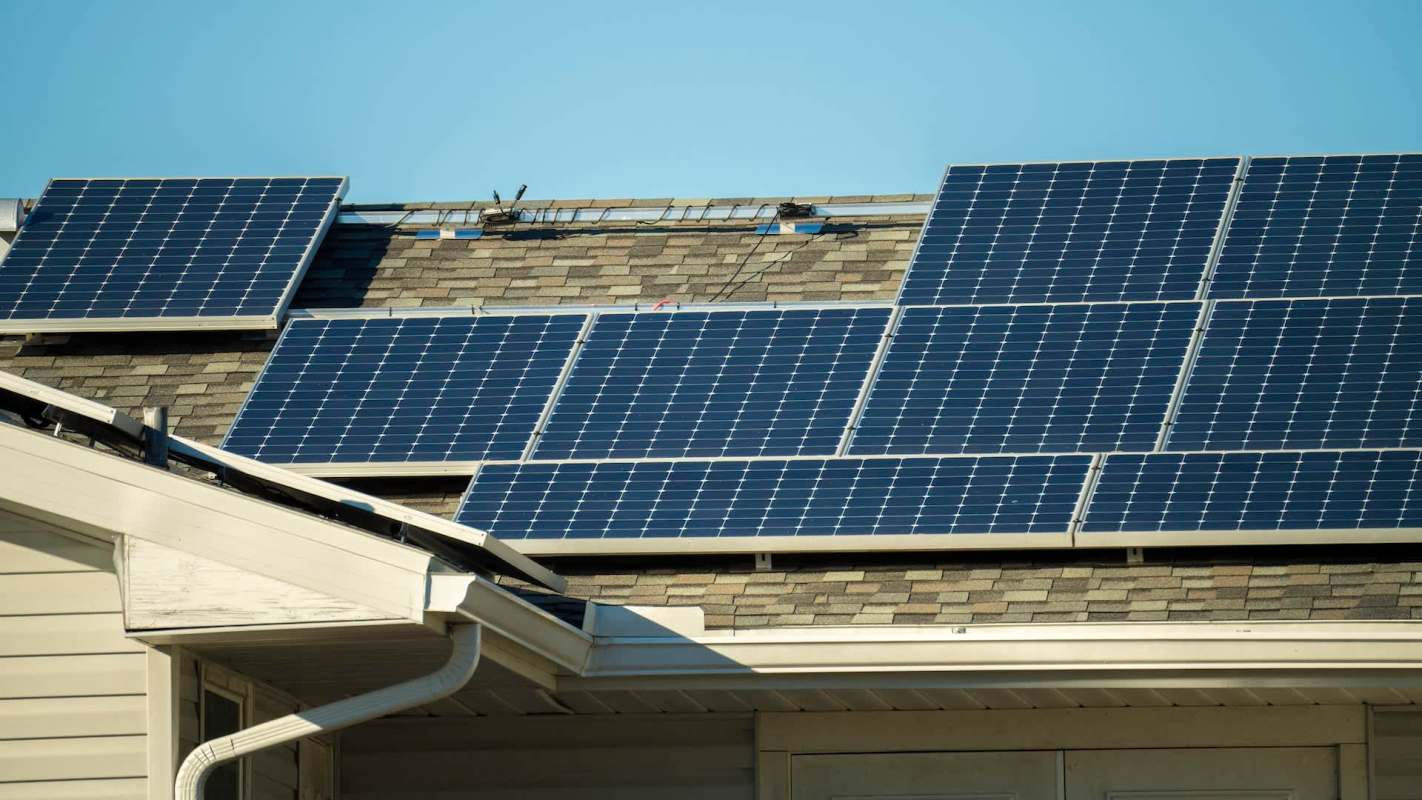
A California homeowner hoping to add more solar panels and battery backup to an existing setup ran into a frustrating reality check that expanding rooftop solar is often more complicated than it sounds.
Here's what to know
In a post on Reddit's r/solar community, the homeowner said they already had a 12-panel Enphase system with IQ7+ microinverters and were trying to add more panels, expandable battery storage, and backup capability for outages. They said the original installer overlooked those goals, recommended equipment they considered undersized, and then "just ghosted me."
A commenter explained, "Adding a second system, rather than expanding the first system, is almost always a preferable approach." Elsewhere in the discussion, another commenter said any backup plan must start with identifying which appliances need to stay on and how long they need power when the grid is out.
Going solar is one of the best ways to save money on home energy, but this thread highlights why it is so important to compare equipment and installers before moving forward. Homeowners considering a project can explore EnergySage to get free solar installation estimates and compare quotes.
More background
The original poster's concern was not only technical. They were also trying to avoid overpaying for a system that did not match their needs, writing, "I don't want to get an installer that pushes toward a brand that's a) not good, or b) overpriced if that's all they really work with."
Commenters floated a few paths: using a whole-home hybrid inverter that can work with the existing Enphase equipment during outages, keeping the current setup separate while adding a grid-tied inverter with batteries, or creating a critical-loads subpanel for essential circuits.
What can be done?
The most practical next step in this case is to gather several proposals and ask each installer whether they are designing a true expansion or a second independent system. It is also wise to ask about outage performance, battery capacity, service-panel limits, permitting, and whether the existing solar setup can continue producing when the grid is down.
Adding battery storage to a solar setup is one of the best ways to protect your home during outages, save money on energy, and potentially go off-grid. Homeowners can explore EnergySage for information about home battery storage options, including competitive installation estimates.
Save $10,000 on solar panels without even sharing your phone number Want to go solar but not sure who to trust? EnergySage has your back with free and transparent quotes from fully vetted providers that can help you save as much as $10k on installation. To get started, just answer a few questions about your home — no phone number required. Within a day or two, EnergySage will email you the best local options for your needs, and their expert advisers can help you compare quotes and pick a winner. |

EnergySage's solar map shows the average cost of a home solar panel system on a state-by-state level, as well as details on solar panel incentives for each state. Together, these resources can help readers get the best price for rooftop solar panels and access available incentives.
EnergySage's free services can be especially useful when a project involves batteries, utility rules, and multiple equipment choices.
As one commenter put it, "'Offline during a power outage' is certainly feasible - the key questions for you are: Which appliances and loads do you want to be able to run? For how long?"
Where can I learn more?
These stories address the same questions the California homeowner is facing and offer useful context for comparing equipment, planning for outages, and steering clear of a costly mismatch.
More From EnergySage
💡Go deep on the latest news and trends shaping the residential solar landscape
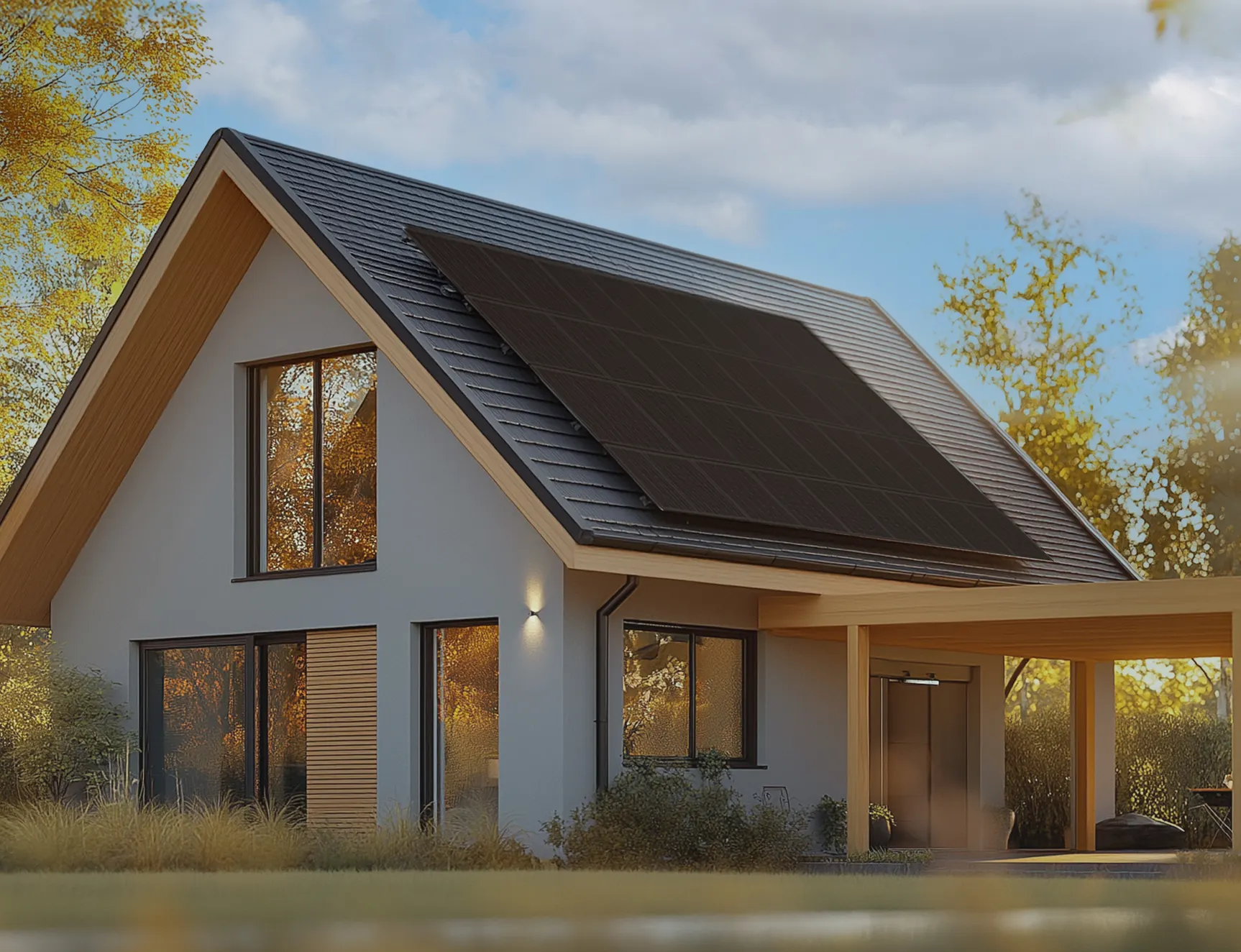
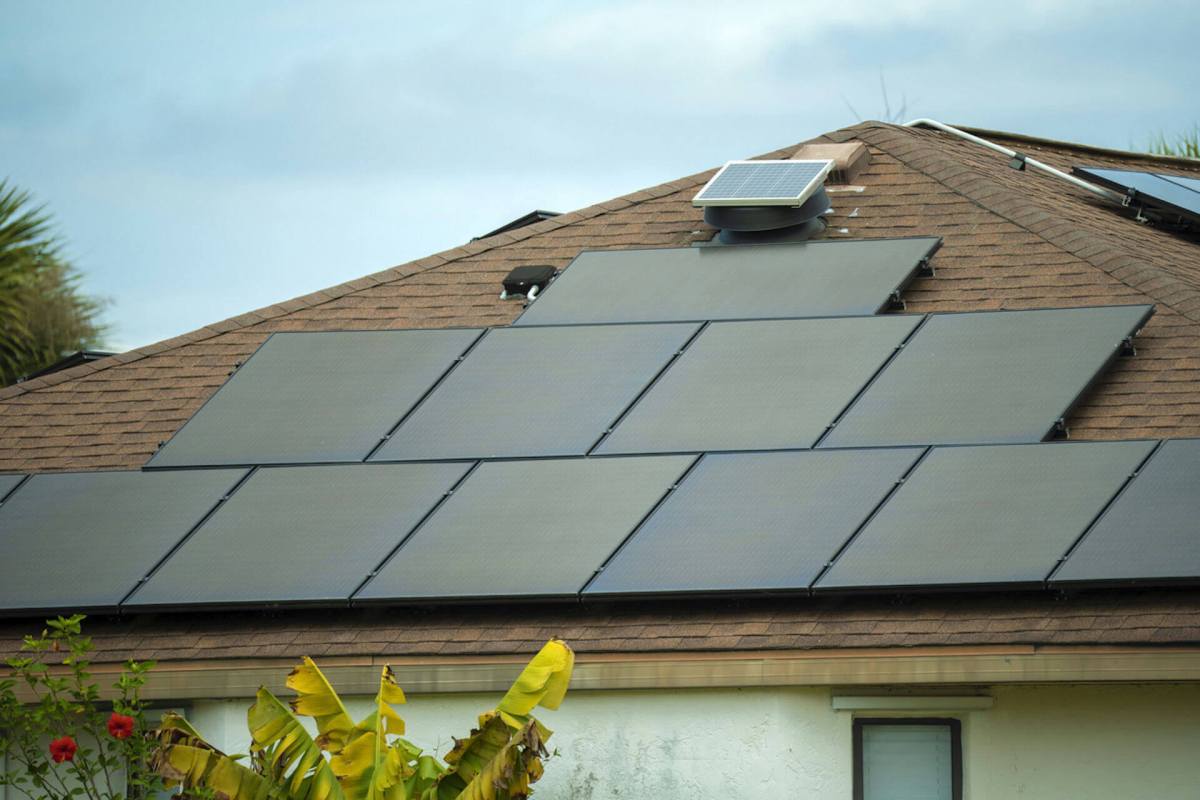
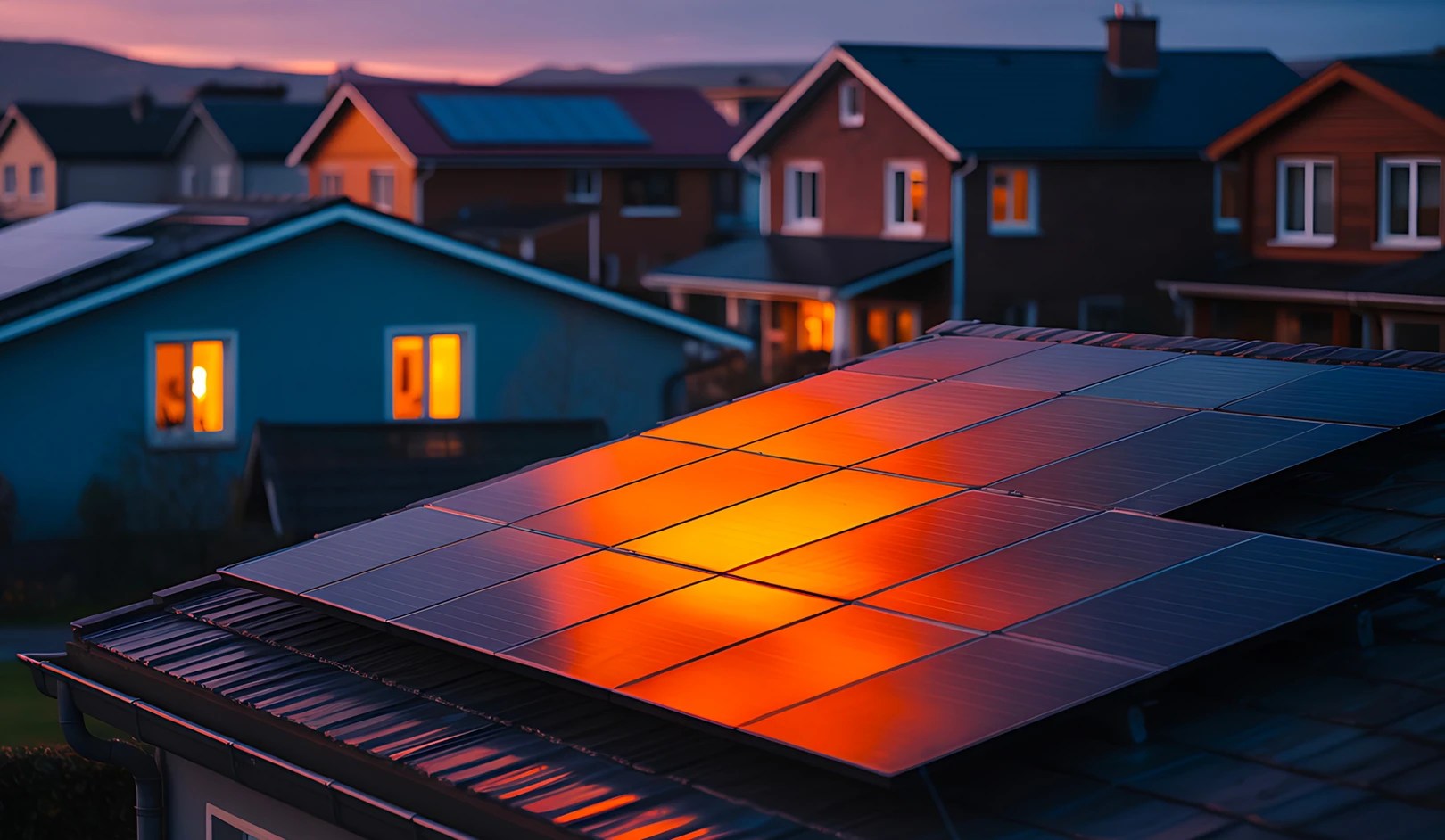

• In Australia, one homeowner said blackouts became invisible after adding a 20-kilowatt solar backup.
• At EnergySage, COO Charlie Hadlow said solar prices hinge on equipment, labor, and permitting rules.
• For homeowners weighing upgrades, different solar system options can determine installation complexity and backup flexibility.
If you're trying to build onto an existing system, sort out your backup priorities, equipment options, and competing quotes early. That groundwork can make it much easier to spot red flags before a straightforward upgrade turns into a much more complicated job.

Get TCD's free newsletters for easy tips, smart advice, and a chance to earn $5,000 toward home upgrades. To see more stories like this one, change your Google preferences here.






