


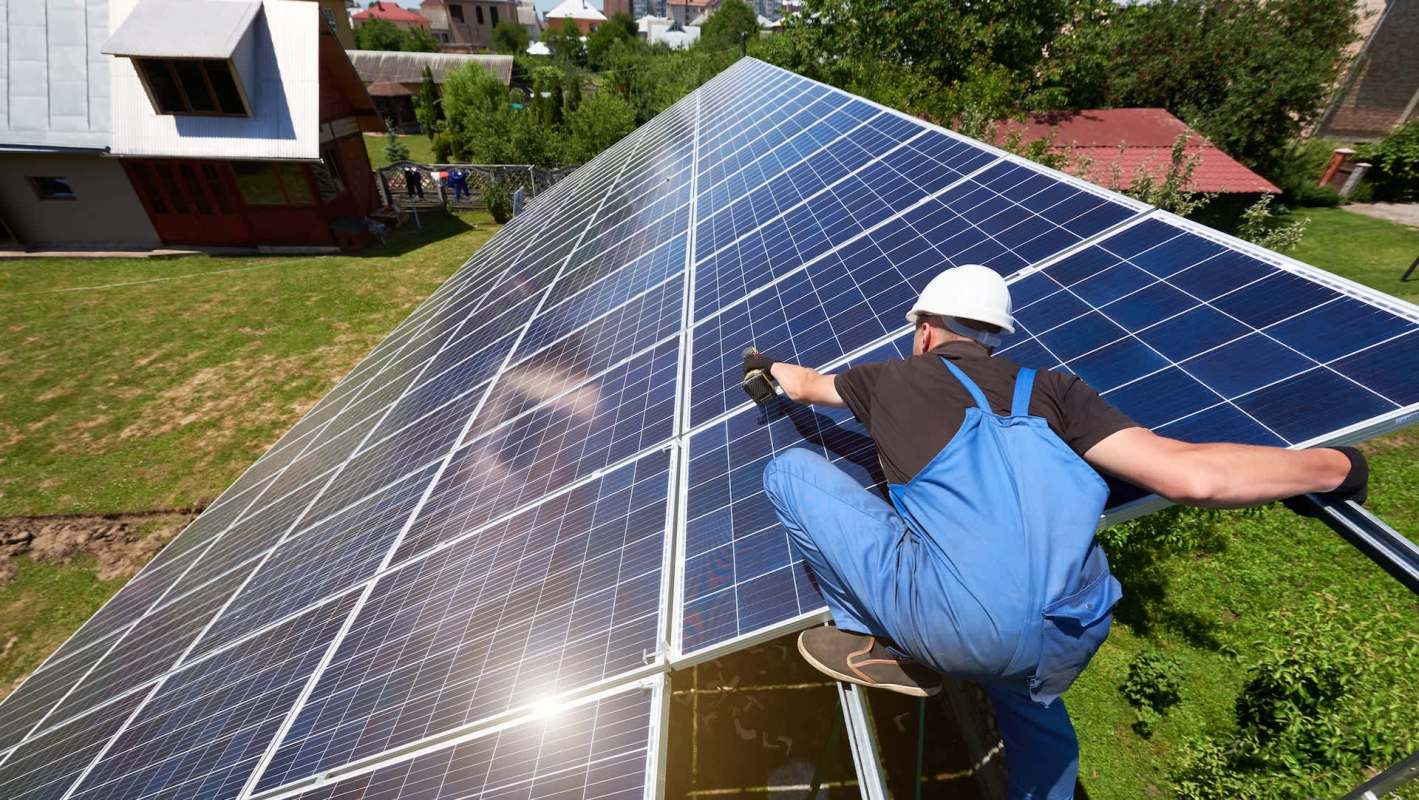
A California homeowner on PG&E's NEM 2 plan says their energy use has outgrown their solar setup, but the path to adding roughly 1 kilowatt without sacrificing older net-metering terms is anything but clear. The question carries high stakes for customers on grandfathered plans, who may be weighing the benefits of more power against the risk of redoing permits and paperwork.
Here's what to know
Posting in a Reddit thread in r/solar, the homeowner said they had seen references suggesting that customers grandfathered into NEM 1 or NEM 2 may be able to add up to 1 kilowatt of production and stay on those plans. They couldn't find a clear explanation from PG&E about permits, approvals, or the rest of the process.
They said rising demand at home was behind the question. "My electricity needs have changed, and I would love to be able to produce more energy while keeping my NEM2," the original poster wrote. They also said, "What I am getting is that you basically have to go through the whole process again, new permits and new certificate of operation." They added that their annual true-up was "under 1K."
One reply came from a household who decided a bigger upgrade made sense for its situation: "We added 4 more panels and a battery. It was worth it for us but we have electrified our house, gone to an all ev household as well since we got our original panels in 2018."
Going solar is one of the best ways to save money on home energy, and homeowners considering an expansion or a new project can try EnergySage to get free solar installation estimates and compare quotes.
Other people in the discussion suggested cheaper ways to add generation, such as non-export additions or 1,200-watt balcony solar systems. For them, the main goal was holding onto the older rates, as one commenter put it: "NEM 1 and 2 are more valuable."
More background
A household's electricity demand can change quickly, even when a solar array once seemed large enough. In the example from the homeowner who added panels, the need for more power came after bigger lifestyle changes, including whole-home electrification and a switch to EVs.
The thread also included people planning for what comes next. One commenter said a non-export expansion might eventually make room for future heating and hot-water upgrades with heat pumps, assuming more panels could go on a street-facing roof.
Save $10,000 on solar panels without even sharing your phone number Want to go solar but not sure who to trust? EnergySage has your back with free and transparent quotes from fully vetted providers that can help you save as much as $10k on installation. To get started, just answer a few questions about your home — no phone number required. Within a day or two, EnergySage will email you the best local options for your needs, and their expert advisers can help you compare quotes and pick a winner. |

Another commenter was interested in something separate from a standard rooftop expansion: a 1,200W ground array plugged into a balcony solar outlet and used alongside an existing 5.74 Enphase system, which they described as "easier/cheaper than expanding the rooftop."
Another reply argued that, if rules allow both approaches, pairing balcony solar with an added 1-kW permitted upgrade "should be able to save more than $1k per year" for households that need more electricity but want to stay on older terms.
What can be done?
Because requirements may differ for a small production bump, a non-export setup, or a larger expansion, PG&E customers may want to confirm exactly which project type they're pursuing before buying equipment. In this case, the original poster wanted a legal way to add output without losing NEM 2.
For homeowners starting from scratch or comparing expansion bids, EnergySage also offers free tools that let users curate competitive bids from local installers without sharing contact information unless they choose to move forward. EnergySage's solar map shows the average cost of a home solar panel system by state, along with state-specific solar panel incentives, and these resources can help homeowners get the best price for rooftop solar panels and access available incentives.
More From EnergySage
💡Go deep on the latest news and trends shaping the residential solar landscape

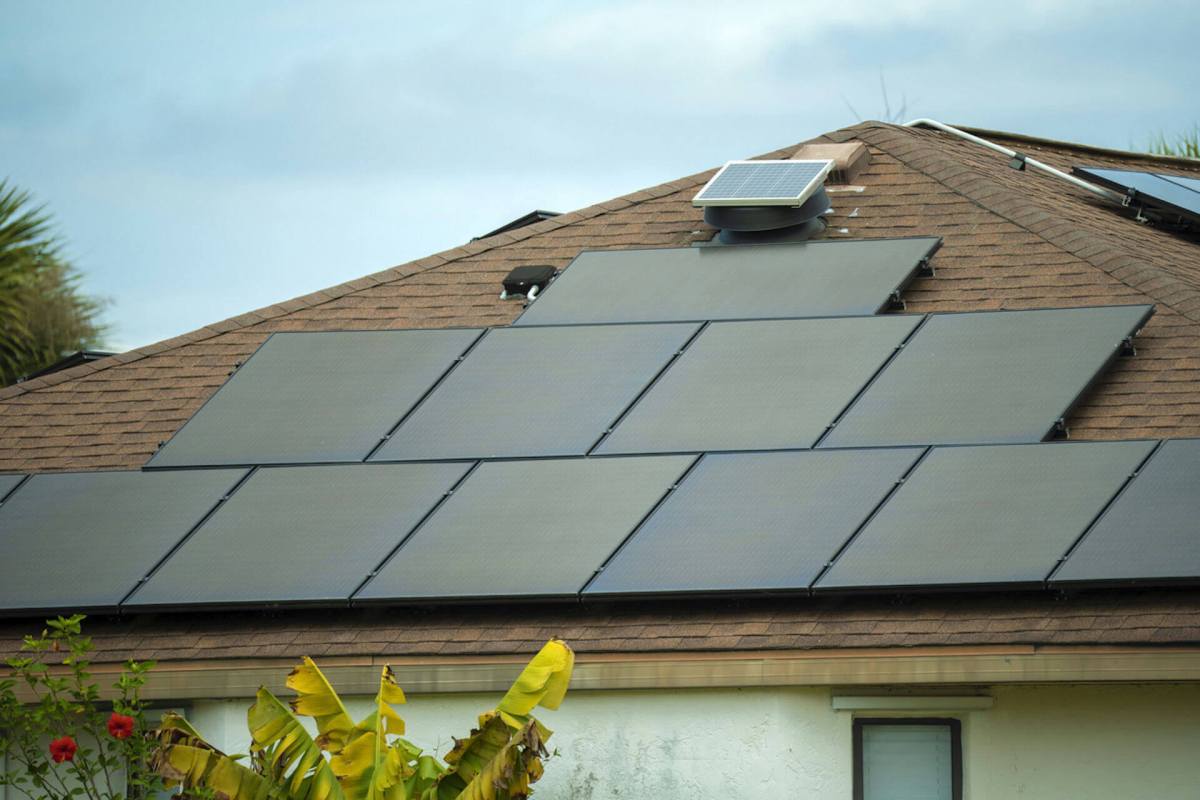

Price comparisons can change a project's economics. With EnergySage's help, the average person can save up to $10,000 on solar purchases and installations. For owners weighing whether a few extra panels are worth it, that kind of comparison can make it easier to see whether an expansion pencils out.
Adding battery storage to a solar setup is also one of the best ways to protect your home during outages, save money on energy, and go off-grid. Homeowners who want to pair extra panels with backup power can explore EnergySage for information about home battery storage options, including competitive installation estimates.

Get TCD's free newsletters for easy tips, smart advice, and a chance to earn $5,000 toward home upgrades. To see more stories like this one, change your Google preferences here.






