


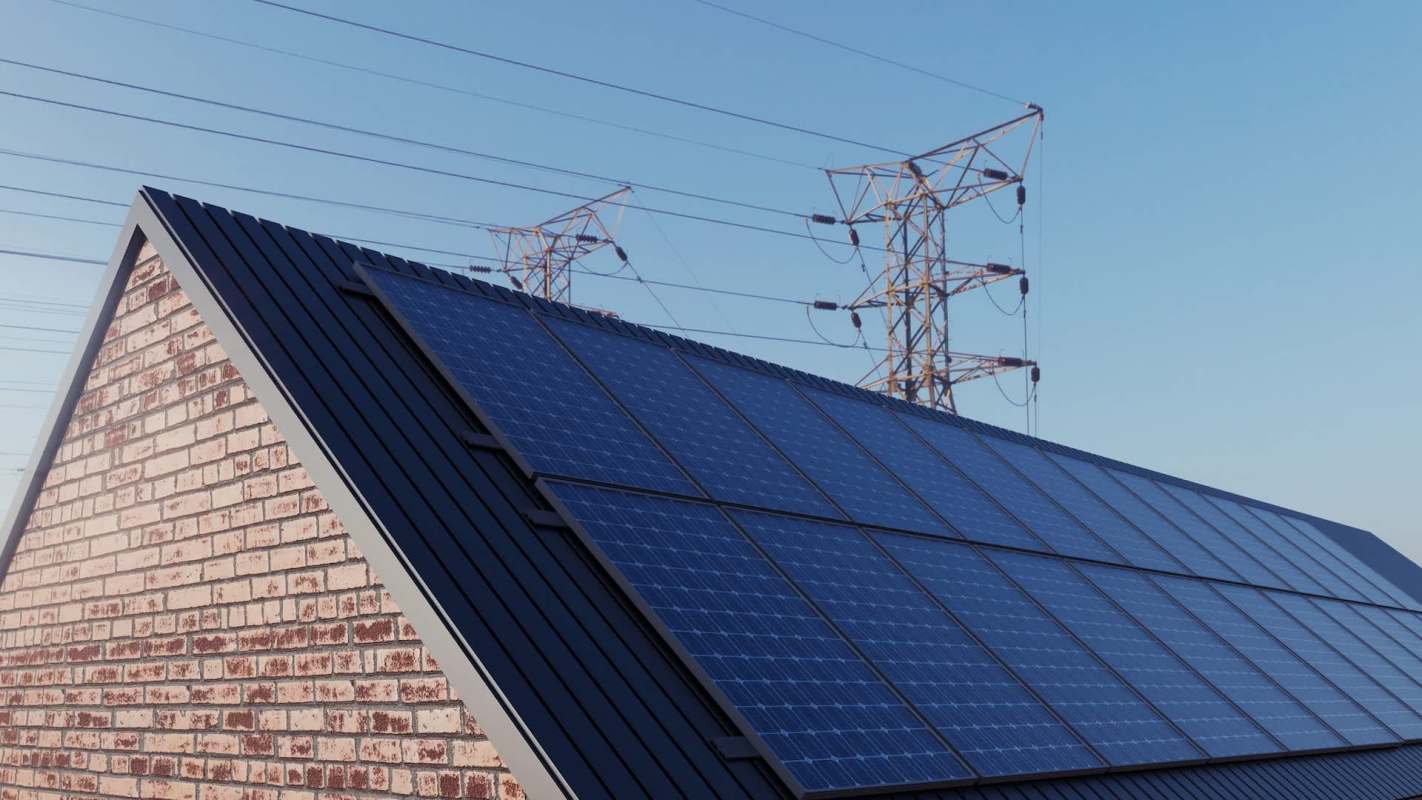
Rooftop solar can still cut bills for California homeowners even though the policy that determines those savings has changed substantially.
The state no longer typically credits surplus daytime generation at the same price utilities charge for electricity used after sunset; for many exports, the payout is lower.
As a result, households are approaching solar differently. Battery storage, right-sizing a system, and matching production to when power is needed have become bigger parts of the decision.
Here's what to know
Net Energy Metering 3.0 reset the way new rooftop solar customers earn credit for power they deliver to the grid, according to the Coeur d'Alene Press.
Under the previous framework, extra generation often received a credit tied to the full retail rate. Under the current one, exports usually bring in less, with compensation tied more closely to the hour they are sent out.
Battery adoption shows how quickly the market responded. A Lawrence Berkeley National Laboratory study found that over 60% of California solar installations under NEM 3.0 were paired with storage, compared to about 10% under the prior rules.
The best value often comes from using solar electricity at home instead of sending it away. Since self-consumed power avoids buying electricity at the retail rate, systems that once evened out by exporting lots of midday energy may need a battery to hold that power for later.
Going solar is still one of the best ways to save money on home energy, but shoppers need to scrutinize the numbers. Free tools from EnergySage can help homeowners get quick installation estimates and compare quotes before they sign a contract.
Save $10,000 on solar panels without even sharing your phone number Want to go solar but not sure who to trust? EnergySage has your back with free and transparent quotes from fully vetted providers that can help you save as much as $10k on installation. To get started, just answer a few questions about your home — no phone number required. Within a day or two, EnergySage will email you the best local options for your needs, and their expert advisers can help you compare quotes and pick a winner. |

More background
For many homeowners, the old style of net metering was easy to understand. Their panels covered household demand first, and whatever was left over went to the grid, resulting in a bill credit that could be used later, including at night. In many situations, those credits were worth the retail rate.
Utilities and regulators increasingly argued that this structure overpaid solar customers for exported power because retail rates reflect more than electricity itself. They also include costs tied to transmission, distribution, and maintaining the grid.
Timing also became a major factor. Midday solar production often floods the grid when demand and wholesale electricity prices are low, while late-afternoon and evening power is generally more valuable.
California's new tariff is meant to reflect that difference.
More From EnergySage
💡Go deep on the latest news and trends shaping the residential solar landscape




Since states and utilities do not all use the same policies, rooftop solar economics can look different from one place to another. How quickly a system pays for itself may depend heavily on local rules and how much energy a household consumes on-site.
What can be done?
Export credits can be fixed or change over time, unused credits may or may not roll over, and a battery may or may not improve the economics enough to justify the additional cost.
EnergySage's free services can be especially useful in such situations because they let shoppers compare installer quotes in one place. With EnergySage's help, the average person can save up to $10,000 on a solar purchase and installation.
You can also check EnergySage's solar map, which shows the average cost of a home solar panel system along with incentive details for each state. Together, those resources can help people get the best price for rooftop solar panels and take advantage of available incentives.
Additionally, adding battery storage to a solar setup is one of the best ways to protect your home during outages, save money on energy, and go off-grid. It can also help homeowners hold onto daytime solar power and use it when utility rates are high or grid export credits are low. For more information about home battery storage options, including competitive installation estimates, explore the free tools from EnergySage.
California's policy update did not erase rooftop solar's financial appeal, but it did tie potential savings more closely to storage, timing, and careful system planning.
For many households, success depends less on producing the most electricity possible and more on making sure that electricity is available when it delivers the most value.

Get TCD's free newsletters for easy tips, smart advice, and a chance to earn $5,000 toward home upgrades. To see more stories like this one, change your Google preferences here.






