


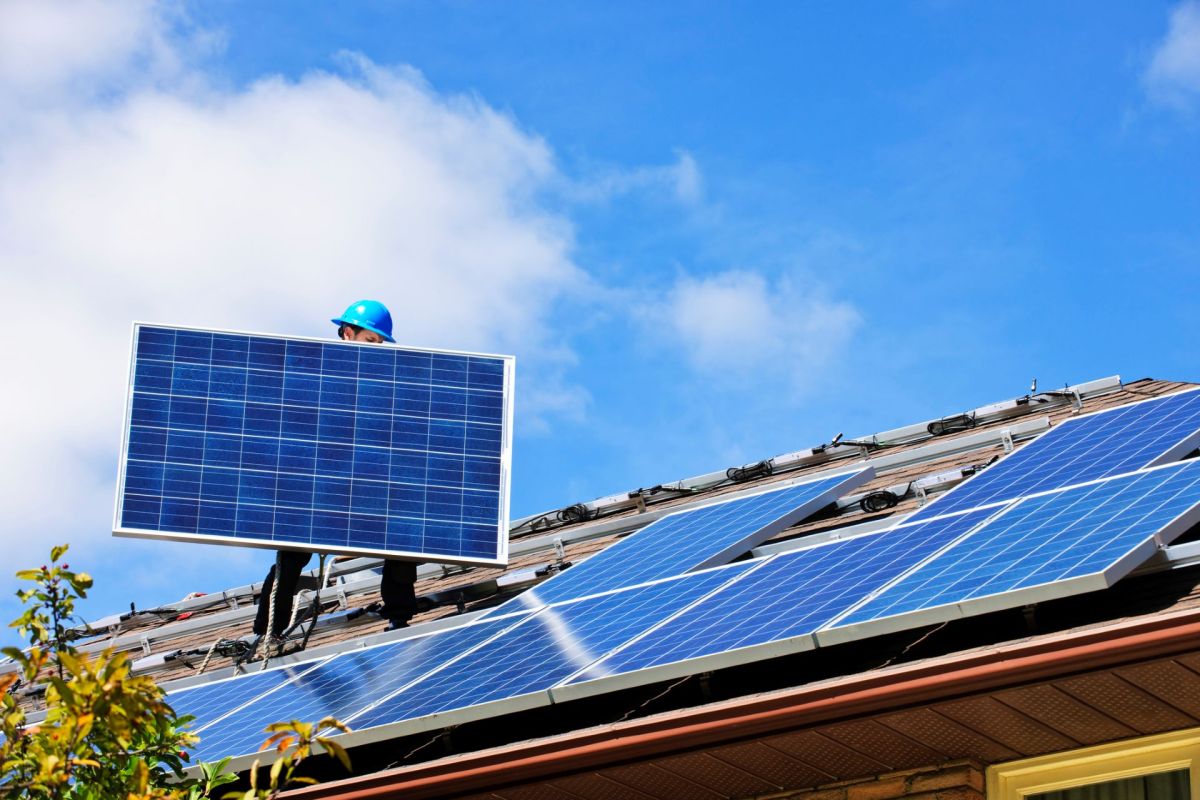
A California homeowner facing a $20,000 roof replacement took to social media for advice over whether to pay $5,000 to remove and reinstall their solar panels or replace the 11-year-old system years ahead of schedule.
Here's what to know
The PG&E customer turned to Reddit's r/Solar community for advice on whether to upgrade the panels alongside the roof or preserve the nine remaining years under their NEM 2.0 agreement, a net-metering arrangement that credits electricity sent to the grid.
The original poster wrote, "My plan was to keep this NEM 2.0 setup through its lifespan, as it is a really good deal. On the other hand, I have a roof that's in need of replacement. … I am curious to hear from others in this predicament whether it is worth considering giving up my sweetheart NEM 2.0 setup to upgrade solar now and have it be in 'sync' with the roof."
OP worried that postponing the solar upgrade for nine years would mean working on a roof already partway through its life. They also explained that the replacement schedules fell out of sync because the previous owner installed the panels without replacing the roof.
Commenters largely favored keeping the NEM 2.0 agreement rather than rushing to replace the system. One wrote, "Keep NEM2. In 9 years you may find panels have gotten more efficient and you can significantly up the power without so much real estate."
Another user suggested preserving the agreement by making any solar addition a separate system that would not export electricity to the grid. A third advised reviewing the interconnection agreement to see whether it permits a capacity increase of 10% or one kilowatt, whichever is larger, while retaining the current terms.
One commenter added, "Remember that NEM2 is like a lossless battery with infinite capacity, paid for by the utility."
And OP wasn't alone in the predicament. Another commenter explained that "We will be in your shoes in a few years. We plan to remove and replace the panels and add the 1kW at the same time. … Also, in many parts of coastal CA, you can easily get 40 years on a roof, so factor that in too."
Crushed by your bills? See instant solar savings from vetted installers in just a few clicks With energy prices through the roof, there's never been a better time to go solar — and EasyHome can help you find the best prices from the best installers in your area. EasyHome takes the guesswork and headaches out of energy upgrades by showing you estimated savings from a network of vetted local partners. To get started, just enter your ZIP and share a few details about your home — seeing your estimate is really that easy. |

What can be done?
For households weighing installation costs alongside roof work, residential solar can lower electricity bills, and $0-upfront leases may save hundreds of dollars monthly, depending on the home and agreement. EasyHome offers a free explorer tool to estimate potential savings and find vetted local installers.
For homeowners planning to add storage, EasyHome also offers options for exploring battery systems alongside solar. Pairing panels with batteries can help manage electricity costs by saving generated power for later use, while a system configured for backup can keep power available during outages, both considerations to weigh alongside the expense of another panel replacement.
Where can I learn more?
Replacing a roof can get more expensive when solar panels need to come off before they are due for an upgrade.
• Installing solar on an aging roof can mean paying to install the system twice.
• A New York homeowner faced nearly $10,000 in fees to remove and reinstall panels.
• A homebuyer learned that removing a solar roof could mean paying for an entirely new roof.

Get TCD's free newsletters for easy tips, smart advice, and a chance to earn $5,000 toward home upgrades. To see more stories like this one, change your Google preferences here.
Cool Picks






