


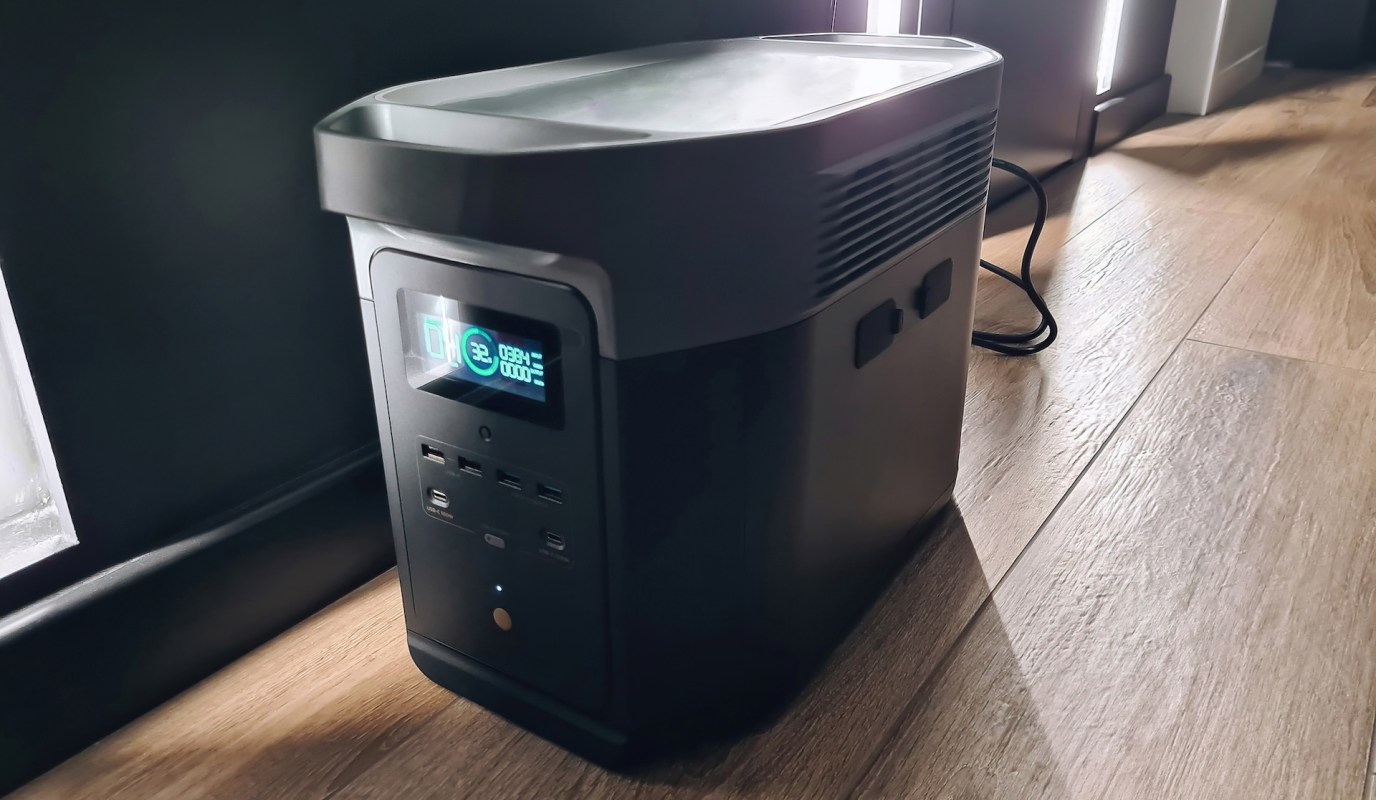
A California resident said a city permit office refused to approve the installation of an Anker Home Power Panel. The issue is that the homeowner already bought the product based on a somewhat misleading claim on the Anker website.
The senior building plans examiner said the paperwork submitted did not adequately show the required UL certification. However, the buyer purchased the panel during a sale, relying on support-page language from Anker that said it "supports UL 1741 and UL 1741 CRD-PCS."
Commenters in an online forum pointed out a subtle wording issue at the root of the homeowner's problems.
Here's what to know
In a Reddit thread, the poster said the permit application was for operating the home power panel only as an automatic transfer switch when a portable generator was plugged in. Issues arose when the examiner denied it, saying the product did not appear to be certified under UL 1741 CRD-PCS and that the SGS material submitted did not include "a certificate, a file number, or an NRTL name."
According to the post, Anker support still had not produced a PDF of the certificate and instead sent only a partial PNG image. The examiner also rejected the image, and the poster noted that parts of it seemed cut off compared with other SGS UL 1741 certificates.
The poster said they decided to purchase after finding a support Q&A page asking whether the home power panel supported UL certification and answering that it "supports UL 1741 and UL 1741 CRD-PCS."
TCD Picks » Quince Spotlight
💡These best-sellers from Quince deliver affordable, sustainable luxury for all




If permit approval never comes through, a homeowner can be left with costly equipment they cannot legally install.
More background
The discussion highlighted the difference between marketing-style wording and the documentation a permitting office can accept.
One commenter detailed the distinction: "Support UL certification? Not the same as certified to… lol."
A commenter replied: "It's very misleading to the laymen."
Another commenter argued that the panel "doesn't appear the home power panel is certified to the 1741 CRD-PCS nor the newer UL3141 which supersedes CRD-PCS" and pointed instead to a different product line, where that certification is "readily available."
A separate commenter, who identified themselves as an electrical contractor in Idaho, described the safety concern that drives permit scrutiny: "The reason this is so important is that there is a possibility that any generation system that is connected to the main electrical panel could, in a failure, back feed the power grid."
What can be done?
Before buying equipment that requires a permit, buyers may benefit from acquiring the formal certification document itself rather than relying on general support-page language.
It may also be important to confirm which standard a local building department wants to see. In this case, the city reviewer specifically objected that the article did not attach "a certificate, a file number, or an NRTL name."
The poster described the next step as asking for a return if the promised documentation never arrives and saving screenshots of the company's claims.
The poster said that if support did not respond soon, "I'll have to request a product return. If they don't, I have screenshots of their website and will be filing a dispute with my credit card. I hate to do that, but if I can't legally install this per their own claims and they refuse to accept a return, then what else is there to do?"
Where can I learn more?
These articles dig into similar challenges homeowners have faced. They cover California's changing plug-in solar rules, warning signs around solar sales claims, and other disputes over installation costs and restrictions.
• In California, lawmakers moved closer to allowing plug-in solar with no permit for some homeowners.
• NPR highlighted how predatory solar companies left homeowners facing misleading claims and costly headaches.
• EnergySage executives broke down interconnected factors behind solar costs as homeowners tried to avoid buying mistakes.
• In Wisconsin, one homeowner sought clarification on homeowners association regulations after neighbors resisted planned solar panels.

Get TCD's free newsletters for easy tips, smart advice, and a chance to earn $5,000 toward home upgrades. To see more stories like this one, change your Google preferences here.






