


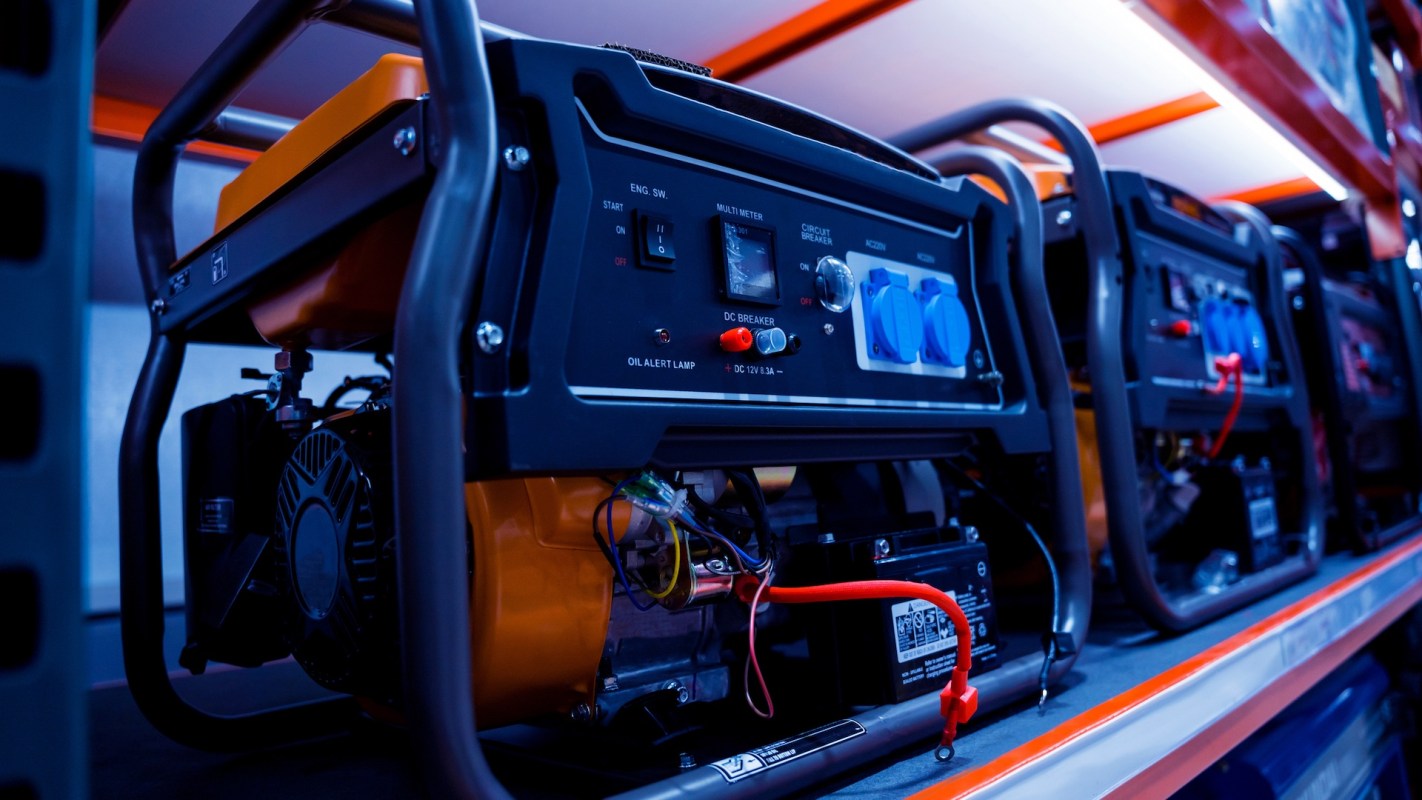
Shopping for backup power in California can be a balancing act, as buyers may be looking for a generator that is quiet enough for nearby neighbors and practical to fuel during an outage.
That was the challenge facing one Southern California Reddit user, whose search for a dual-fuel inverter model highlighted propane's appeal — and its trade-off.
Here's what to know
The original poster said they were looking for "a CARB-compliant dual-fuel inverter generator to be my main method of recharging my EcoFlow Delta Pro with two batteries."
They added, "I would like electric start, and also it needs to be as quiet as possible since the generator will be used in a townhome neighborhood with many units in the immediate area."
That combination narrowed the field. Shoppers often seek out California Air Resources Board-compliant models, while inverter generators are generally preferred for their lower noise levels and steadier power output for electronics and battery systems.
The discussion in the thread focused on fuel choice.
TCD Picks » Quince Spotlight
💡These best-sellers from Quince deliver affordable, sustainable luxury for all




"Propane is the superior fuel, hands down, for occasional use," one commenter argued. "It doesn't go bad, won't clog the carburetor, and is generally cheaper to operate. The only caveat is that running a given dual-fuel generator on propane will produce roughly 75% of the power the generator is capable of on gasoline."
More background
Using a generator to recharge a power station can reduce noise, shorten runtime, and cut fuel consumption in a townhouse or condominium neighborhood.
For infrequent outages, long-term fuel storage can matter as much as day-to-day use. Propane sidesteps stale gasoline, carburetor cleanings, and some of the maintenance headaches that show up when fuel sits too long.
And when the generator's role is limited to refilling a battery bank, a small inverter unit may consume less fuel than a large conventional model running for extended stretches.
The compromise with propane is output. Shoppers should compare models using the lower propane wattage rather than the higher gasoline number on the packaging, because sizing to the wrong rating can mean slower recharging or a later replacement that cancels out savings.
Heat and storage were also part of the poster's concern. While propane may be easier to keep on hand because it lasts longer, safe storage practices and manufacturer instructions are important, particularly in tightly packed residential areas.
What can be done?
A generator's job can significantly affect the wattage required. Recharging a battery system is very different from directly powering air conditioning, kitchen appliances, or power tools.
Because the original poster already had solar panels that had not yet been tested, checking how much charge those panels can restore could change the decision. Better than expected solar recovery could allow for a smaller compliant inverter model, which may lower the purchase price, burn less fuel, and keep noise down.
Propane and gasoline ratings are not interchangeable. Electric start, decibel levels, runtime, and CARB certification can matter just as much as brand name when a generator will be used close to many neighbors.
For occasional backup use, a battery-first setup paired with a quiet generator that runs only when necessary can reduce fuel use, cut maintenance, and make outages less disruptive for nearby residents.

Get TCD's free newsletters for easy tips, smart advice, and a chance to earn $5,000 toward home upgrades. To see more stories like this one, change your Google preferences here.







