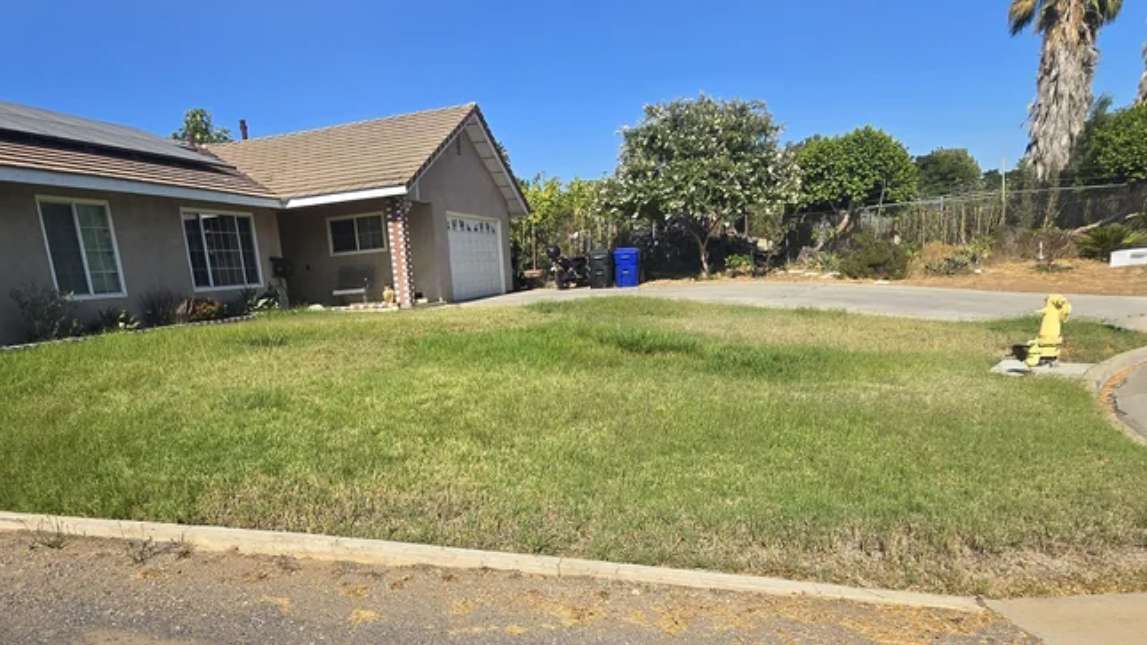
After using a California rebate to remove a thirsty lawn, one homeowner said the rewards extended beyond cutting water use. The project brought in $8,000, and within months, the replanted yard was drawing bees, hummingbirds, and lizards.
The change highlights how moving away from standard turf can trim expenses, reduce upkeep, and make room for more wildlife-friendly landscaping.
What happened?
In a Reddit post shared with the r/NoLawns community, a California resident described using the SoCalWaterSmart program to replace a conventional lawn with a drought-friendly landscape.
The resident wrote that they got $8,000 from the state to take out their grass. They said much of the project was done on their own, with outside help brought in for the most labor-intensive parts, and that the yard conversion cost about $5,000. According to the post, the remaining $3,000 went toward a similar project in the backyard.
The before-and-after photos show how the yard went from a simple grass lawn to a beautiful, drought-tolerant landscape.
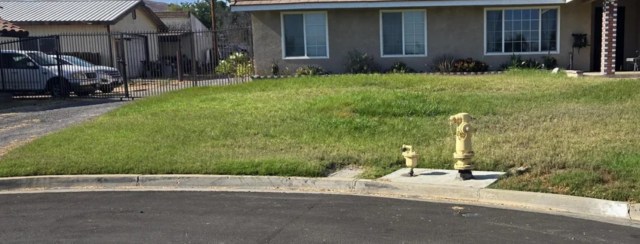
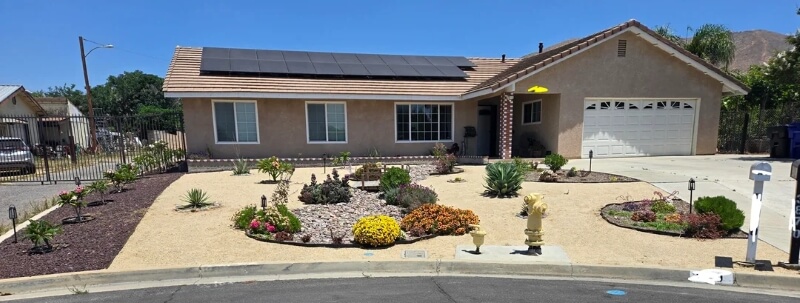
Explaining why the change made sense in their area, the homeowner wrote, "I live in the U.S. Southwest so grass is absolutely stupid where I live." In place of turf, they used mulch, decomposed granite, river rocks, and lava rock, and they said more than 50 small plants had already put on substantial growth after six months.
TCD Picks » EDF Spotlight
💡EDF's Vital Signs newsletter delivers stories about game-changing solutions close to home and around the world



The poster also said California's rebate program has existed for years, but that participation increased after officials simplified what had once been a more difficult process and raised the payout amounts.
Why does it matter?
Grass lawns can be among the most expensive and resource-intensive parts of a property in dry regions. Traditional turf often requires regular watering, mowing, fertilizing, and constant upkeep — all of which can raise utility bills and take up valuable time.
Replacing even part of a lawn with native plants or other low-maintenance alternatives can help reduce those costs while making a yard more resilient during drought. Xeriscaping, clover, buffalo grass, and native-plant landscaping can all lower water use and maintenance needs, and even partial lawn replacement can produce meaningful savings.
There are environmental benefits as well. Native and regionally appropriate plants can support pollinators and other small animals that often struggle in neighborhoods dominated by turf.
For readers considering a similar switch, these guide pages on rewilding your yard and upgrading to a natural lawn offer additional ideas and practical next steps.
What's being done?
Programs such as SoCal Water$mart are intended to provide homeowners with a financial incentive to remove high-water-use grass and replace it with more climate-appropriate landscaping. Rebates can help offset upfront costs, which are often the biggest obstacle for people considering a yard makeover.
Replacing one strip of turf with native plants, overseeding with clover, switching to buffalo grass in suitable climates, or redesigning a section with xeriscaping features can all lower water bills and reduce maintenance without requiring a full-yard renovation.
In this case, the homeowner's update showed that even very small starter plants can fill in quickly when a yard is planned around local conditions.
The poster described the application experience as straightforward, writing, "The whole process was really really simple." They also said the finished yard is bringing in more wildlife: "The bees, hummingbirds, and lizards love my yards now."

Get TCD's free newsletters for easy tips, smart advice, and a chance to earn $5,000 toward home upgrades. To see more stories like this one, change your Google preferences here.