


A Southern California homeowner says they nearly signed a 25-year solar lease that seemed appealing, but long-term plans to eventually sell their home got in the way.
While solar leasing is a fantastic option for many and they can be bought out after five years in almost all cases, it does need to come with a clear idea for the future to know it's the best choice, and to know you're working with a reputable company offering a sound contract. So what started as a potential way to trim a $400 monthly utility bill ultimately became a lesson about long-term contracts, escalator clauses, and the complications they can create if planning to sell in the near future.
What happened?
The homeowner said in a post on Reddit's r/solar forum that they decided not to move forward with a Sunrun lease after months of discussions, even though they spoke positively about the salesperson and called him "genuinely a good dude."
The numbers initially seemed promising: The household's bill from the Los Angeles Department of Water and Power averaged about $400 a month, while the proposed lease would have started at $295 and risen 3% each year over 25 years, designed to stay below yearly electric bill increases and inflation, so the intention would be to save about $100 a month indefinitely.
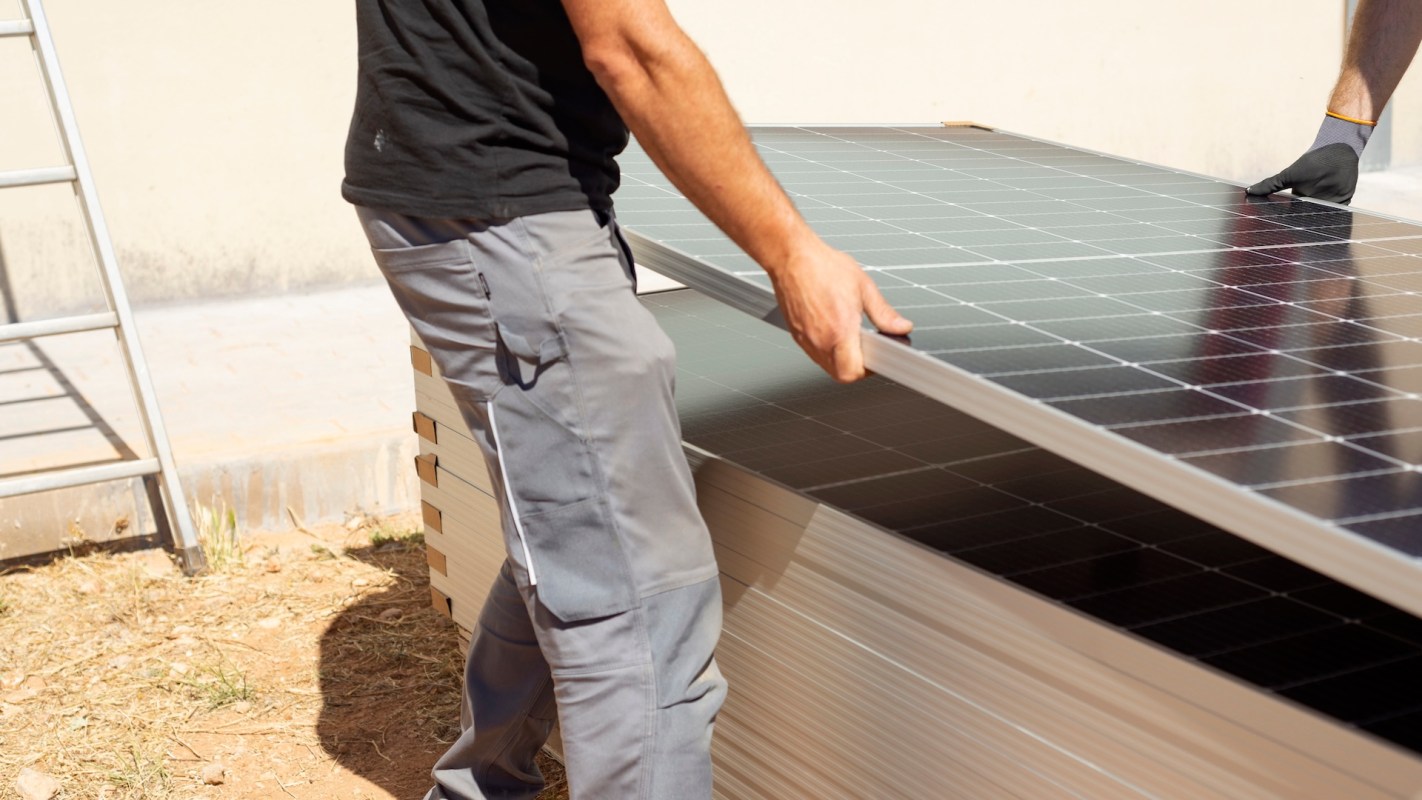
The quote was for a 13-kilowatt solar panel system designed to generate 135% of the home's power, with no battery included. So far, all a no-brainer to start saving money right away.
The bigger issue was how the agreement might play out later. The homeowner said they expect to sell their home within five years and that they did not want buyers "asking us to pay off the system as part of the deal."
TCD Picks » Quince Spotlight
💡These best-sellers from Quince deliver affordable, sustainable luxury for all




The original poster also explained that their home already has another solar panel system installed, and that a potential Sunrun addition could not be combined with it, meaning two different inverters attached to the side of their home.
The roof's age added to those concerns. With a 28-year-old roof in the mix, the homeowner ultimately decided the lease was not worth it, writing that "in the long run, it just didn't make sense for us."
Why does it matter?
Residential solar can be a powerful money-saving upgrade when it is structured well. And, while homeowners tend to see the most savings when they buy solar panels outright, a leased system can still be a worthwhile investment depending on its terms.
In this case, the starting payment would have been about $105 less per month than the home's average electric bill if the system generated all of the home's energy needs.
For this homeowner, a 3% annual escalator means the monthly payment would rise over time, which can gradually eat into savings and could make the contract less appealing to a future buyer.
For homeowners planning to move in the near term, that transfer risk can matter just as much as the initial reduction in monthly bills.
What are people saying?
The comment section was overwhelmingly supportive of the homeowner's decision to back out.
Many replies warned against long solar leases ahead of a possible home sale and favored paying cash or using a loan instead.
Others pointed to concerns about the 3% escalator and the awkwardness of adding a new leased system to an aging system. Commenters agreed that walking away likely helped the homeowner avoid a more complicated situation down the road.

Get TCD's free newsletters for easy tips, smart advice, and a chance to earn $5,000 toward home upgrades. To see more stories like this one, change your Google preferences here.






