


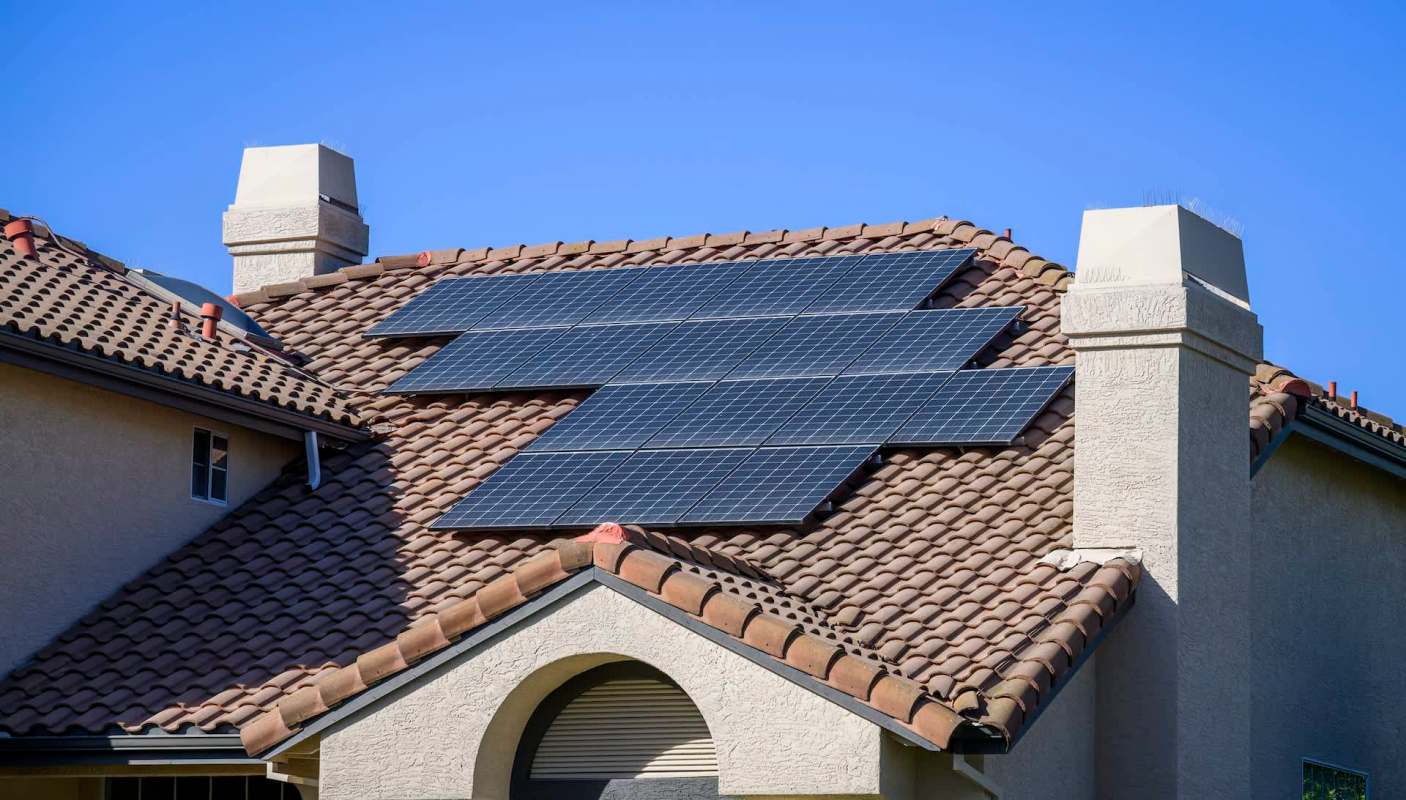
A homeowner in California's Bay Area hoped to lower the cost of going solar by buying the system components independently and paying separately for installation.
Based on the Reddit post, the equipment list for an 8-kilowatt array — 20 panels, a Powerwall 3, and the needed mounting hardware — came to roughly $13,000. The bigger challenge, the poster found, was locating an installer willing to work with owner-supplied gear.
Here's what to know
Posting in a Reddit thread on r/solar, the homeowner said quotes from Bay Area installers included more than $30,000 for equipment they could buy themselves for far less, plus another $20,000 to $30,000 for the labor. Taken together, they said, the full project would land around $50,000 to $60,000.
They asked the forum whether that kind of pricing is typical and if others had managed to buy their own system components and still hire an electrician for what they viewed as a fair rate. One response was blunt: "You're not going to get anyone to install your equipment for their quoted 'labor only' rate."
That sort of price spread helps explain why many households keep comparing bids, especially since going solar remains one of the most effective ways to lower home energy costs. If you're comparing multiple offers for a setup like this 8kW California system, you can try EnergySage to get free solar installation estimates and compare quotes.
One commenter pointed to liability and product standards, writing, "Installers assume massive risk with customer provided equipment. Some won't touch it at all," and noting that a licensed electrician should only install "NRTL listed or recognized components."
More background
After recounting repeated conflicts with contractors on other renovation jobs, the homeowner wrote, "I would rather not pay a premium for warranty and just ensure it passes inspection."
A recurring theme in the replies was that owner-supplied hardware can create warranty and blame issues. Commenters said some installers might limit their coverage to labor, while others may decline the work because a later problem could turn into an argument over whether the equipment or the installation caused it.
Save $10,000 on solar panels without even sharing your phone number Want to go solar but not sure who to trust? EnergySage has your back with free and transparent quotes from fully vetted providers that can help you save as much as $10k on installation. To get started, just answer a few questions about your home — no phone number required. Within a day or two, EnergySage will email you the best local options for your needs, and their expert advisers can help you compare quotes and pick a winner. |

The parts list in a solar estimate can extend well beyond the main equipment. As one commenter pointed out, the homeowner also needed to factor in "PV wire, conduit, flashing, nuts and bolts and screws," as well as permitting and interconnection applications.
What can be done?
Rather than buying everything first, commenters repeatedly suggested securing an installer or electrician upfront. One wrote, "I would find someone who'll agree to do the job before sourcing yourself," and another said homeowners comfortable with the work may be able to mount panels and run wiring themselves before bringing in an electrician for the final interconnect.
For homeowners still comparing options, EnergySage can help make that process more transparent. With EnergySage's help, the average person can save up to $10,000 on solar purchases and installations. Tools like EnergySage's solar map show the average cost of a home solar panel system in each state and list available incentives; together, those resources can help homeowners get the best price for rooftop solar panels and access available incentives.
Adding battery storage to a solar setup is also one of the best ways to protect your home during outages, save on energy costs, and go off-grid. For homeowners considering a battery such as the Powerwall 3, EnergySage offers information about home battery storage options, including competitive installation estimates.
More From EnergySage
💡Go deep on the latest news and trends shaping the residential solar landscape



Get TCD's free newsletters for easy tips, smart advice, and a chance to earn $5,000 toward home upgrades. To see more stories like this one, change your Google preferences here.






