


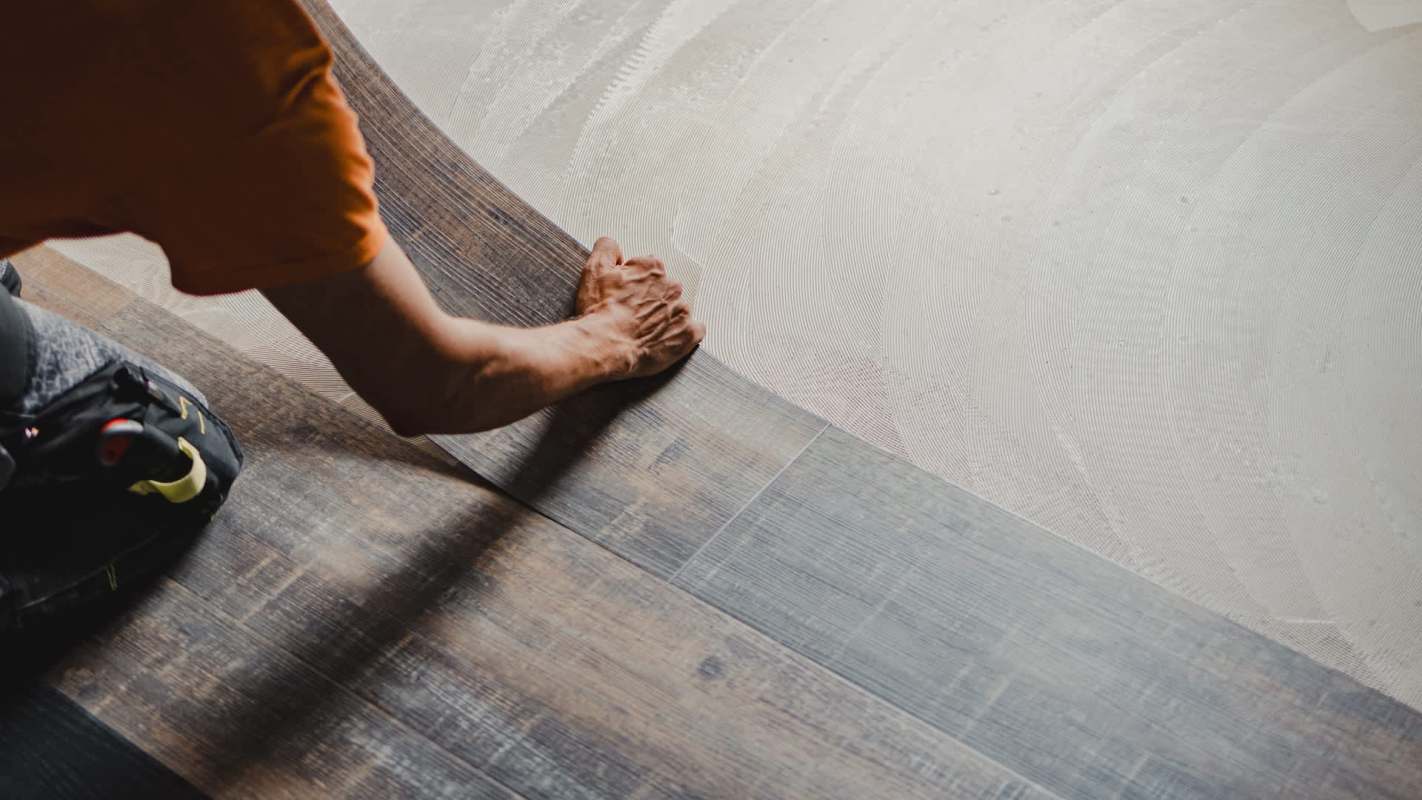
A Southern California buyer shopping for a 2,350-square-foot new-build ran into a jaw-dropping upgrade quote: $42,000 to swap the builder's standard tile and carpet for luxury vinyl plank, or LVP, and tile.
Here's what to know
In a Reddit thread, the buyer said the flooring package "seems ridiculously high" and weighed doing the work after closing instead. Another concern was advice they had heard that new flooring should wait roughly a year so the house can settle.
Commenters largely agreed the price looked inflated. One wrote, "LVP should be about $6-8/sf installed depending on the material you select. So yeah, it's hard to see where they got that number."
Applied across 2,350 square feet, that range would put an all-LVP job at roughly $14,100 to $18,800, before any extra tile costs.
The builder's warning, the buyer later clarified, was not framed as a total loss of coverage but still carried weight: third-party flooring work would "nullify the one year floor warranty and anything that touches it like the cabinets and toilets/bathtub."
Not everyone in the thread accepted that flooring changes should reach that far. Along with questions about builder markups, commenters debated whether replacing floors should affect coverage involving baseboards, bathroom fixtures, or cabinets.
TCD Picks » Quince Spotlight
💡These best-sellers from Quince deliver affordable, sustainable luxury for all




More background
Looked at another way, a $42,000 quote spread across the full house comes to almost $18 per square foot — far above the installed LVP figures commenters cited as a normal benchmark.
Still, the builder's concerns were not purely cosmetic. As the buyer later explained, changing floors in a fresh build can mean pulling and reinstalling baseboards, removing or working around toilets and sinks, and avoiding electrical wiring or water lines in the walls.
So the choice came down to a familiar tradeoff: pay more now through the builder, or take a simpler path for warranty claims during the first year.
What can be done?
A practical place to start is with an itemized quote. Buyers can ask the builder to price the LVP and tile separately, then compare those figures with bids from independent flooring installers. Without that breakdown, it is hard to tell how much of the $42,000 is going to materials, labor, or markup.
It also helps to get the warranty position in writing. Instead of relying on a verbal warning, buyers can ask exactly which parts of the one-year warranty would be affected if a third-party installer works on flooring, trim, or bathroom fixtures.
For buyers who care most about avoiding warranty disputes, waiting may still be the lower-risk move, especially in bathrooms or other places where new flooring means disturbing toilets, tubs, or cabinetry. But if the builder's quote seems wildly above market, outside bids can at least show whether that premium is justified.
Where can I learn more?
A pricey builder upgrade can bring up the same questions people run into with HVAC, solar, and other big home expenses: What is a reasonable quote, and what exactly are you paying for?
• In South Florida, homeowners found each line item matters when AC bids ranged from $7,400 to $13,100.
• Near Chicago, a $37,000 solar quote fell below $18,000 after Illinois incentives kicked in.
• In California, utility credit changes threatened the payoff math for adding more solar panels.

Get TCD's free newsletters for easy tips, smart advice, and a chance to earn $5,000 toward home upgrades. To see more stories like this one, change your Google preferences here.






