


In competitive housing markets, skipping a home inspection can seem like the only way to get an offer accepted.
But cautionary tales from a forum of homebuyers show how quickly that gamble can turn into a nightmare.
Here's what to know
A Reddit thread on the site's r/FirstTimeHomeBuyer community about older properties highlighted the pressure some buyers face.
The original poster who started the conversation wrote: "Nowhere in my historic city will let me make an offer with an inspection."
The buyer invited others to share the problems they encountered after giving up that safeguard: "What was the worst thing to happen at your house after you waived inspection to get it?"
Almost immediately, others jumped into the comments section to add their own horror stories.
TCD Picks » Quince Spotlight
💡These best-sellers from Quince deliver affordable, sustainable luxury for all




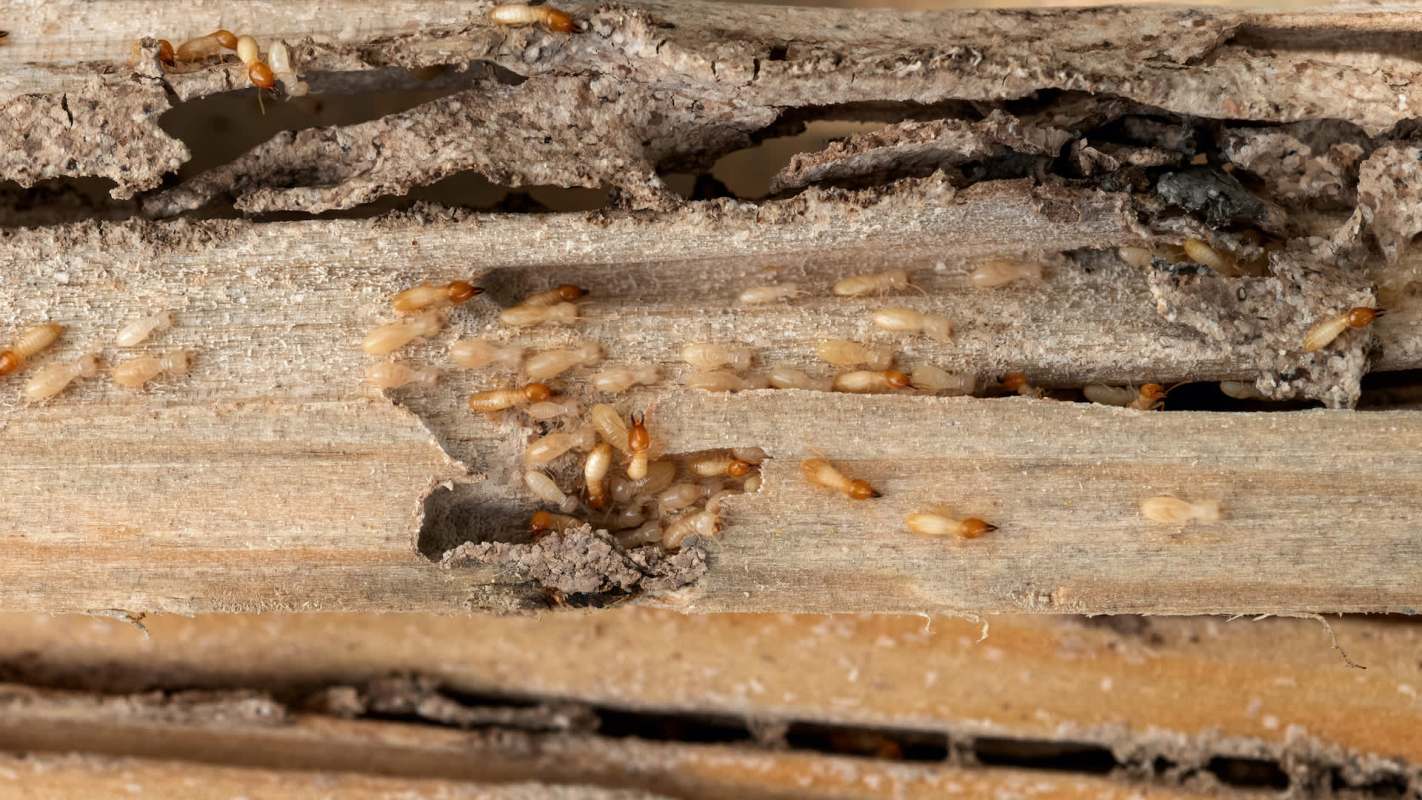
One response came from California, where a buyer waived an inspection and later discovered severe termite damage. The commenter said: "I had a client in CA who waived their inspection only to find out that the termite damage was so significant that the structure was barely standing. The sellers were aware and didn't disclose it."
A separate commenter said they backed away from an older wood-sided house near Washington, D.C., after spotting termite bait stations and other red flags in the basement and crawlspace. They later learned the people who bought it ended up paying "over $50K worth of remediation and remodeling to make the property habitable."
The thread also underscored that recovering from a bad purchase can still be painful even if buyers eventually get compensation. In the California case, a follow-up comment noted that the purchasers were ultimately "made whole," but only after hiring an attorney and moving twice.
In another example, a commenter said an inspection of a historic home uncovered a septic tank that was "in the basement, completely out of code and 100 years old." They put the cost at $20,000 for a replacement septic system and another $10,000 for a new well.
Elsewhere in the discussion, buyers listed costly surprises including water intrusion, mold, gas leaks, plumbing failures, broken heating equipment, roof problems, porch structural issues, and first-floor flooding during heavy rain. One person said unresolved defects ended up costing them about $60,000 after closing.
Those accounts point to a broader issue with aging houses: Major problems can stay hidden in basements, crawlspaces, drains, roofs, and electrical systems. Because buying a home already requires a large upfront investment, unexpected repairs soon after moving in can wipe out savings and leave owners taking on additional debt.
At least one commenter said even a formal inspection doesn't guarantee every major defect will be caught. Still, as the stories show, they are very, very worth it.
Where can I learn more?
Home inspections are only one way expensive problems can stay hidden until after closing. The articles below look at flood disclosure rules, gardening disputes, and other property headaches that caught homeowners off guard.
• State leaders moved to require flood-risk-history disclosure, giving homebuyers a clearer warning before closing.
• A buyer inherited beds buried under hazardous landscaping fabric layers and faced a messy cleanup.
• Another homeowner found disastrous landscaping fabric breaking apart underground with no easy way to remove it.

Get TCD's free newsletters for easy tips, smart advice, and a chance to earn $5,000 toward home upgrades. To see more stories like this one, change your Google preferences here.






