


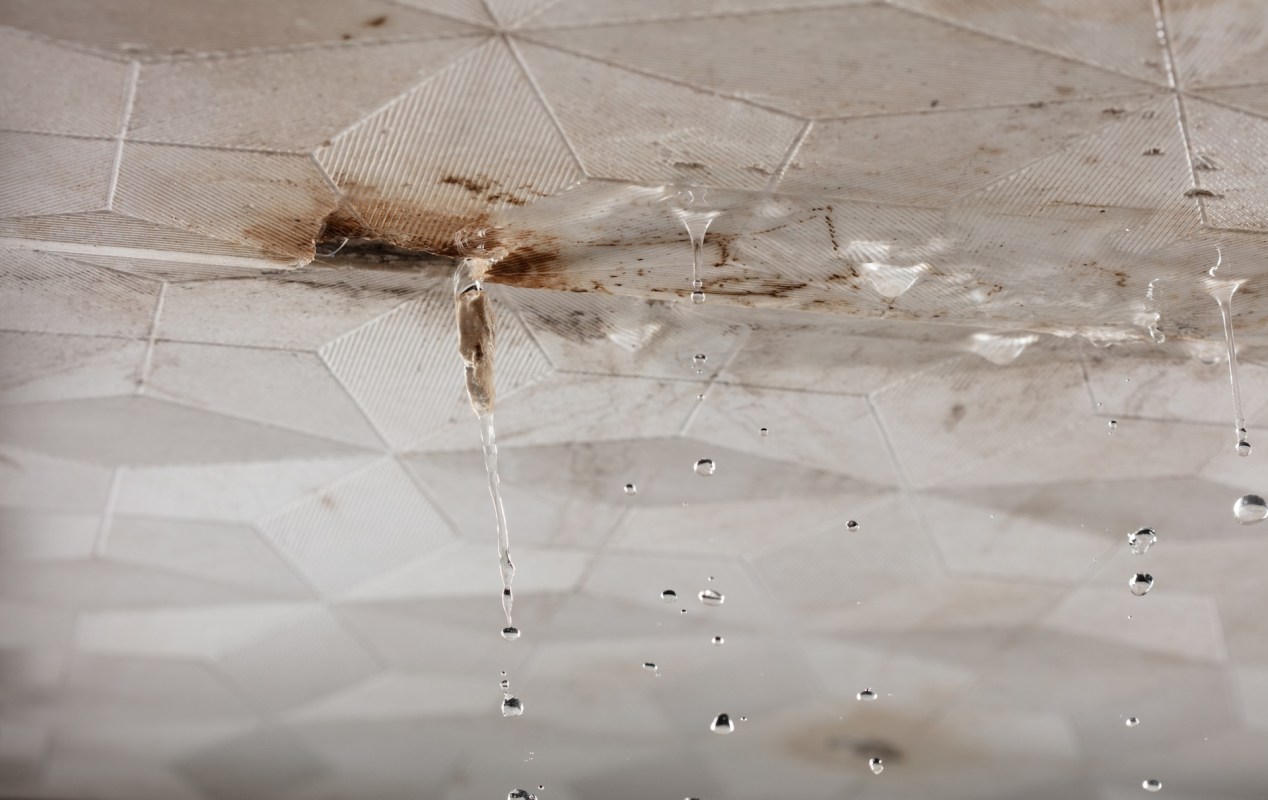
A California townhouse owner is questioning their homeowners association's response to a roof leak after representatives proposed splitting repair costs among nine units rather than filing an insurance claim.
The proposal left the homeowner wondering why they would have to help pay for damage they did not cause.
Here's what to know
Heavy rain and a leaky roof left one homeowner with quite a mess. Although they did not see any mold, the water damaged clothing, cabinets, walls, and floors.
According to their post on Reddit, a plan proposed by an HOA representative and a board member would require the nine connected units to pool their money for repairs. They recommended hiring the contractor through a contact.
No repair estimates or policy details appeared in the post as evidence. According to the homeowner, the representatives predicted other insurance complications and a sharp increase in everyone's monthly fees if a claim were filed.
"This is my first time going through something like this and I'm not sure if this is normal. Are they correct about insurance? Is it better to just avoid them? Should I really be paying anything because the damage was not my fault? Should I look for a lawyer? Any advice is appreciated!" the homeowner wrote.
TCD Picks » Quince Spotlight
💡These best-sellers from Quince deliver affordable, sustainable luxury for all




More background
Future premium increases could cost more than an insurance payout, one commenter cautioned. Their hypothetical involved a $15,000 repair and a $10,000 master policy deductible, leaving $5,000 for insurance to cover if the damage qualified.
Those figures were examples, not estimates for the homeowner's leak.
Governing documents, insurance policies, and possible negligence — not the water's point of origin alone — could determine responsibility, another commenter explained. They urged treating the roof repair and the interior damage as separate questions.
The association's policy should not be assumed to cover everything, other commenters noted, pointing the homeowner toward their personal HO-6 insurance and loss assessment coverage.
"The key is making sure responsibilities are allocated according to the governing documents rather than assumptions," one commenter suggested.
HOAs across the country have been caught blocking money-saving updates, including rooftop solar panels and native plant lawns, so the consequences of their rules can extend well beyond emergency repairs.
What can be done?
Before taking further steps, the homeowner should read the association's bylaws and covenants, conditions, and restrictions, known as CC&Rs, commenters advised.
To work out how costs may be divided and who must handle interior damage and roof repairs, homeowners can consult provisions on common expenses, insurance, and maintenance responsibilities. The TCD Guide's resource on working with HOAs can help homeowners navigate association rules.
A certified water mitigation specialist could check moisture levels in the damaged townhouse, one commenter suggested. The homeowner should also keep an itemized inventory and photograph affected belongings and surfaces, they said.
Questions for the owner's personal insurer included how loss assessment provisions and deductibles would apply and whether the interior damage was covered. The commenter recommended getting those answers before deciding how to proceed.
At least two independent bids should be part of a formal repair process, according to that same commenter. They also called for a written agreement with warranty protection and a licensed, bonded, and insured contractor.
A separate commenter asked whether HOA reserves could help pay for the work.
"Also, all owners should be concerned that the roof is repaired properly and the roof inspsected to see how many years of life it has left. No one should want a repeat for your unit or theirs," one commenter wrote.
Where can I learn more?
Other homeowners have also clashed with their HOAs over roof leaks and shared repair costs.
• California seniors face losing homes after their HOA imposed a $26,000 roof bill on every owner.
• A Nevada homeowner received a $6,800 water repair bill, while phone records undercut the HOA's call claim.
• California condo owners face a $49,000 special assessment tied to a $24.4 million repair plan.

Get TCD's free newsletters for easy tips, smart advice, and a chance to earn $5,000 toward home upgrades. To see more stories like this one, change your Google preferences here.






