


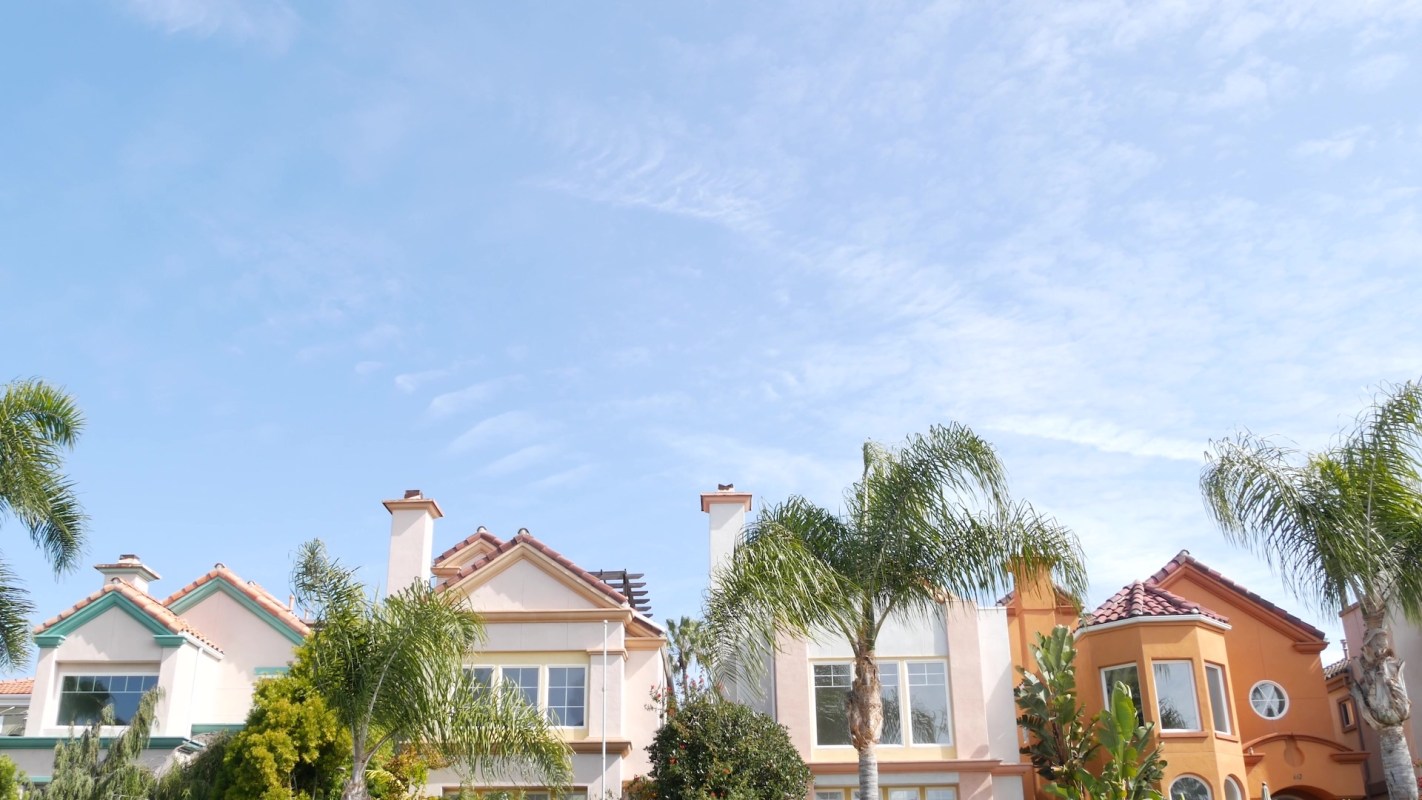
On Sept. 29, California Governor Gavin Newsom signed a California bill that could leave many people in HOA communities paying more through higher monthly dues or special assessments.
Assembly Bill 2050 will require many associations to build up more money for future repairs, a shift that opponents say could land hard on homeowners.
Here's what to know
Beginning in January 2032, an HOA that estimates its reserves will fall below zero at any point over the next 30 years will have to direct at least 15% of its gross annual budget into reserves, as the New York Post reported. The bill also requires HOAs to maintain and study a 30-year reserve fund.
If an association cannot make that transfer from its existing budget, the bill says it would need to collect the money from homeowners through a special assessment. No one knows yet exactly how this would change monthly dues.
This bill has the potential to impact millions of people, because nearly one in four California households pays HOA fees, according to U.S. Census Bureau data.
Calling the proposal a problem, the Consumer Federation of California's Executive Director, Robert Herrell, told the San Francisco Chronicle, "We're not against reserving, but it ought to be combined with some reasonable limitations on what could be increased and how rapidly, along with some important guardrails on financial protection and responsibility so the residents don't get ripped off because the board acts like a kangaroo court."
TCD Picks » Quince Spotlight
💡These best-sellers from Quince deliver affordable, sustainable luxury for all




On one side are concerns about deferred maintenance, especially in aging condo buildings and developments that need roofs, structural work, paving, elevators, and other expensive repairs.
Gov. Newsom argued in his signing message that bill introduces a "practical framework" in which it is "more sustainable for households to absorb gradual, predictable contributions over time than to face large, unexpected bills during an emergency. "
But on the other side are homeowners already strained by mortgage costs, insurance, and regular HOA dues.
Because California HOAs can already raise regular dues by as much as 20% per fiscal year without a vote from community members, reserve policy can have major consequences for household budgets, per the Post.
Where can I learn more?
These stories add context to California's debate over HOA fees, reserves, and homeowner control.
• After years of steep maintenance fees, one homeowner blasted vague HOA requirements as costs kept rising.
• Homeowners rallied behind legislation that would limit HOA power over landscaping and household decisions.
• In Michigan, lawmakers advanced protections for money-saving home additions that many HOAs still resist.

Get TCD's free newsletters for easy tips, smart advice, and a chance to earn $5,000 toward home upgrades. To see more stories like this one, change your Google preferences here.






