


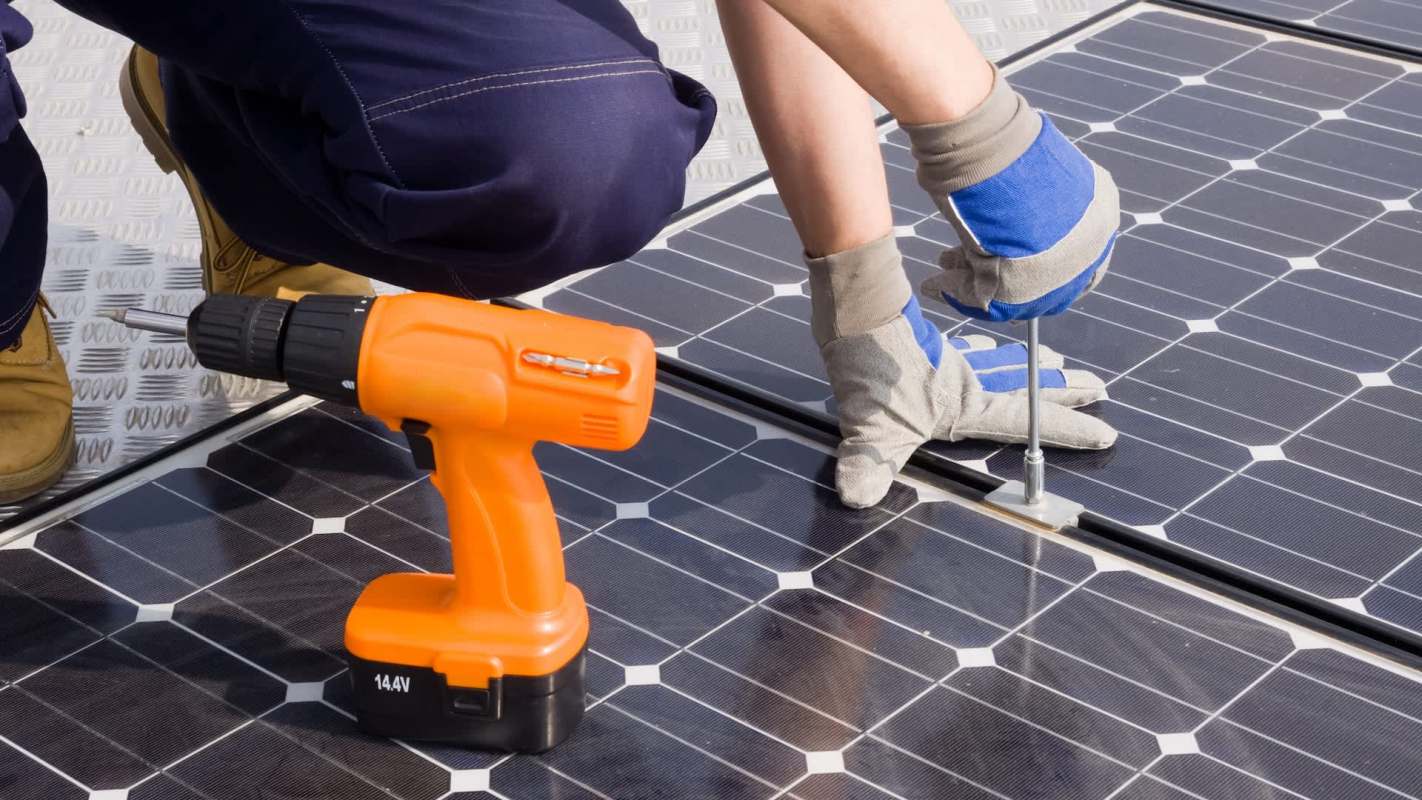
A Southern California Reddit user described a baffling situation with their parents' home solar setup, installed about five years ago.
Here's what to know
According to the Reddit post, the family still pays $120 each month for the system, yet they still lose power during grid outages and recently received an unexpected $115 electric bill.
The original poster wrote, "They are still paying $120 every month for them… And then now apparently they aren't working at all and we are also getting an electric bill for $115 when before from what I understand we used to get a credit."
One user wrote, "Yeah, you have to have a battery to store and use the power, an inverter capable of running off of that batteries power, and some other safety equipment to protect the grid while your home is still producing power and running."
Another commenter, who said they have 12 years of industry experience and now operate a repair company, also said, "Something is likely wrong with your system(string down, inverter needs replaced) Or you are using more power."
When a system is properly sized and installed, going solar is one of the best ways to save money on home energy. You can explore EnergySage to get free solar installation estimates and compare quotes.
More background
Solar panels do not automatically keep a home powered during an outage.
Another commenter wrote, "Most agreements are for 20 yrs."
Save $10,000 on solar panels without even sharing your phone number Want to go solar but not sure who to trust? EnergySage has your back with free and transparent quotes from fully vetted providers that can help you save as much as $10k on installation. To get started, just answer a few questions about your home — no phone number required. Within a day or two, EnergySage will email you the best local options for your needs, and their expert advisers can help you compare quotes and pick a winner. |

Possible explanations raised in the thread included an inverter problem or inactive string, as well as a tripped breaker or an inverter shutoff near the system that may have been left off after cleaning.
What can be done?
One commenter wrote, "Call the company and ask them to explain it all to you, they will have your consumption and generation and be able to lay it out for you month by month."
If the system does not come back on, another user recommended contacting the installer after first checking for an off-position shutoff near the inverter and any tripped breaker in the electrical panel.
With EnergySage, homeowners can use free tools to curate competitive bids from local installers without sharing contact information unless they choose to move forward. With EnergySage's help, the average person can save up to $10,000 on solar purchases and installations. EnergySage's solar map shows average system costs by state plus incentives, helping readers get the best price for rooftop solar panels and access available incentives.
More From EnergySage
💡Go deep on the latest news and trends shaping the residential solar landscape




Adding battery storage to a solar setup is one of the best ways to protect your home during outages, save money on energy, and go off-grid. It can make a solar setup more resilient when utility power fails. You can also explore EnergySage for information about home battery storage options, including competitive installation estimates.
"Getting solar is good. Predatory installers and people who don't read their contracts and understand them are the problem," one user wrote.
Where can I learn more?
The Reddit thread touched on two common solar headaches: paying for a system that doesn't deliver the savings you expected and finding out that panels alone will not keep the lights on during an outage. The pieces below add context on utility fees, policy changes, maintenance problems, and pricing questions that can shape what homeowners actually get from rooftop solar.
• In Puerto Rico, Luma Energy proposed a fee that frustrated more than 160,000 solar households.
• Energy expert Liam Madden warned a federal bill could threaten lucrative rooftop incentives and help big utilities.
• EnergySage leaders said interconnected factors drive costs, complicating what homeowners expect from rooftop solar savings.
For homeowners, the big takeaway is that contracts, system upkeep, and local utility rules can matter nearly as much as the panels themselves. Keeping those factors in mind can make it easier to tell whether a surprise bill points to a normal limitation or a fixable problem.

Get TCD's free newsletters for easy tips, smart advice, and a chance to earn $5,000 toward home upgrades. To see more stories like this one, change your Google preferences here.






