


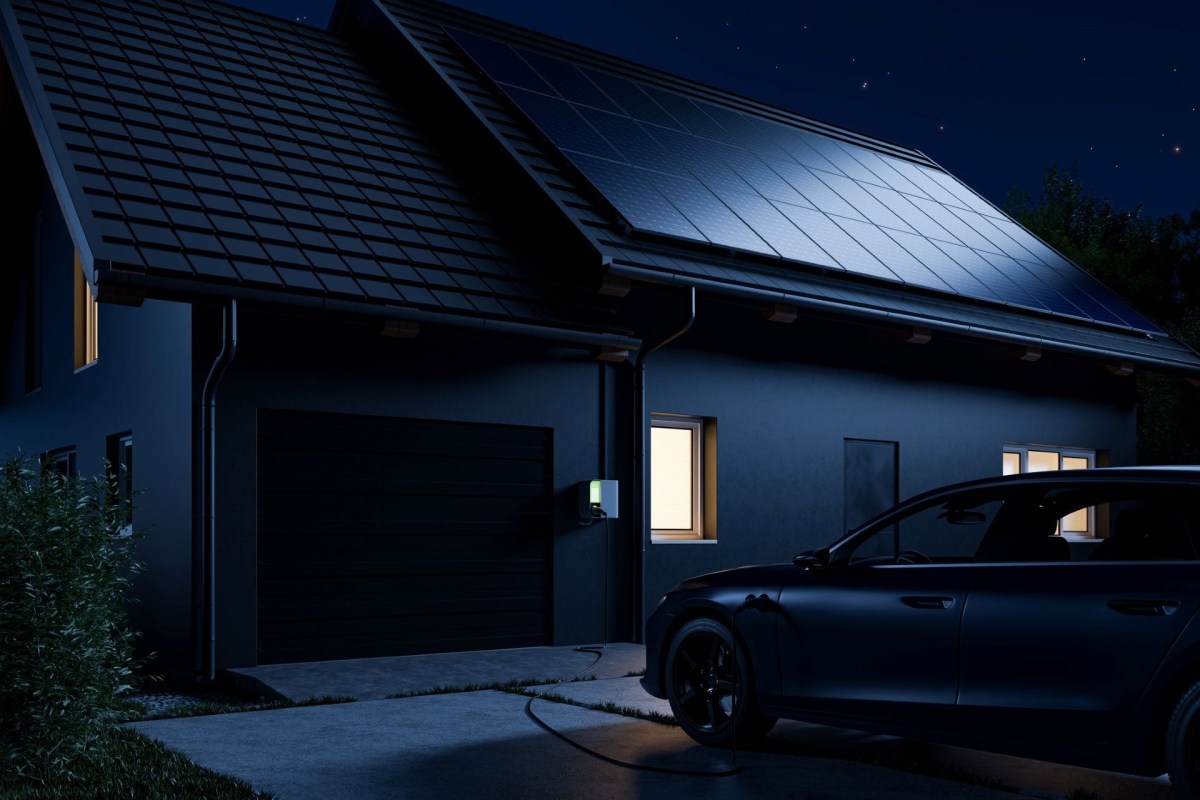
According to a homeowner, the PG&E bill for their six-person household in California's South Bay remains around $500 a month even though the family charges its electric vehicle overnight, runs the dishwasher after midnight, does laundry in the morning, and only "very rarely" uses AC.
Here's what to know
Writing in a Reddit post, the poster added that the home has four children under 15 and is on PG&E's EV2-A time-of-use plan. They listed off-peak electricity at about $0.23 per kilowatt-hour, with summer peak pricing from 4 to 9 p.m. at about $0.54/kWh and winter peak pricing at about $0.41/kWh.
The poster told the r/frugal subreddit that after reviewing the bill with agents, they were told the household was "pretty much efficient." That conclusion and the lofty bill had them "not sure what to do."
They asked: "So that's it? I'm destined to pay $500 a month?"
One commenter approached the bill from a different angle.
"How much of the electricity usage is non electric vehicle charging?" they asked. "I think that's probably what you should be comparing, since the EV usage is replacing gasoline."
TCD Picks » Quince Spotlight
💡These best-sellers from Quince deliver affordable, sustainable luxury for all




Some others said $500 still sounded high, but not especially out of line for a large California household with an EV and frequent laundry.
"Family of six in a house charging an EV every night, washer and dryer doing all that laundry, obviously heat or a/c running nonstop depending on the season....I would say $500/month is fairly reasonable," one commenter wrote.
They noted that living alone in their apartment without EV charging or a washer/dryer, they still paid $200 monthly.
More background
A few replies focused on statewide prices rather than the family's specific habits.
"Wow, electricity prices in California are insane," one wrote.
Several commenters pointed to equipment that can quietly add up on a power bill, asking about an electric water heater, an extra refrigerator or freezer, gaming PCs left on, or even a pool pump.
Another possibility raised in the thread was a constant background load that keeps pulling electricity throughout the day.
What can be done?
The clearest advice in the discussion centered on getting more precise information about where the electricity is going. One commenter said some utilities offer usage data in 15-minute increments, which can help tie spikes in demand to appliances.
Another commenter recommended using smart plugs to monitor devices for at least 48 hours and checking most of the home piece by piece. That kind of step-by-step review could show whether the biggest draw is a refrigerator, or something less obvious.
Other suggestions focused on daily habits like running only full loads of laundry, shortening hot showers, turning off PCs when they are not in use, and unplugging appliances.
The original poster responded, "The kids probably can shorten their showers," and added, "Interesting about the full loads of laundry, I will try that, thanks!"
Maintenance-related suggestions also surfaced, including checking condenser coils, attic insulation, and air leaks around windows and doors, with one commenter recommending a thermal camera from the local library.
Another advised considering whether solar, including balcony options, makes sense for the household.
Where can I learn more?
For a broader look at why California power bills can stay high, other coverage explores EV charging, AC use, and the rate structures behind the costs.
• A Southern California homeowner found AC and EV use could send LADWP costs sharply higher.
• In Los Angeles, heat wave AC use pushed some electric bills as high as $1,000.
• One Los Angeles family kept the thermostat at 74, yet a $3,300 power bill still sparked a petition.
• In Sacramento, lawmakers backed batteries, EVs, and smart thermostats to help cut California power bills.
• An Alameda renter's $0.14 per kWh rate showed how much Bay Area utility territory matters.

Get TCD's free newsletters for easy tips, smart advice, and a chance to earn $5,000 toward home upgrades. To see more stories like this one, change your Google preferences here.






