


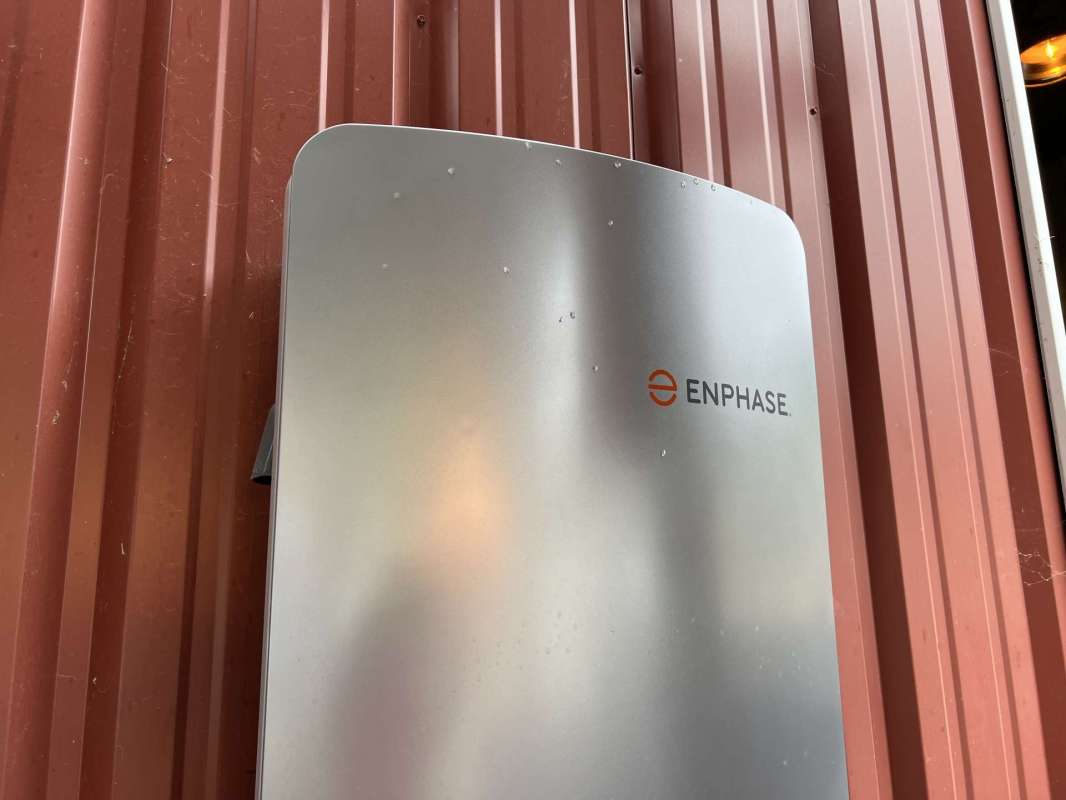
A DIY solar owner in California is weighing a battery upgrade after nearly earning back the cost of a 9-kWh Enphase system installed about five years ago. But turning a paid-off array into a more resilient setup means sorting through financing questions, permit requirements, and utility rules.
That tension is becoming more common as early rooftop solar adopters look for ways to get more value from the systems they already own.
Here's what to know
On Reddit, the poster said other necessary home repairs had already claimed their savings, so paying cash for an upgrade was off the table. They said they "DIYed a 9kwh Enphase system" about five years ago and that it "has already paid for itself, or will in the next few months," and asked what financing options might help them add a few more panels and battery backup in California.
One commenter said the permitting side may be unavoidable even if the utility arrangement stays mostly intact. They wrote, "Adding batteries does not effect your NEM agreement with SCE. You can add 1kw of panels to your system and keep the existing NEM agreement," while also warning that "Any modification to your electrical or mounting a panel needs a building permit."
Going solar is one of the best ways to save money on home energy, especially for households facing high utility rates. Homeowners thinking through a new system or an upgrade can explore EnergySage to get free solar installation estimates and compare quotes.
More background
When asked what they wanted the upgrade to do, the original poster said, "Ideally, the battery will work for me when the grid is down. I want it to charge during midday PSPS and power the home at least from sunset to 9 p.m. when energy is most expensive, and during outages."
The thread also pointed out that backup power alone is different from keeping solar generation running while the grid is offline. One commenter wrote, "OP wants solar production during a grid outage. That requires a hybrid inverter."
What can be done?
Several replies steered the homeowner toward a smaller backup plan, like putting only essential circuits on a subpanel instead of trying to cover the entire house, which commenters said could reduce both cost and installation complexity.
Save $10,000 on solar panels without even sharing your phone number Want to go solar but not sure who to trust? EnergySage has your back with free and transparent quotes from fully vetted providers that can help you save as much as $10k on installation. To get started, just answer a few questions about your home — no phone number required. Within a day or two, EnergySage will email you the best local options for your needs, and their expert advisers can help you compare quotes and pick a winner. |

EnergySage's free services can also help homeowners understand upgrade costs before committing. EnergySage's solar mapping tool helps you find local incentives and breaks down average upgrade costs by state.
Adding battery storage to a solar setup is one of the best ways to protect your home during outages, save on energy costs, and go off-grid. It can also help households avoid buying as much electricity during the most expensive hours. Homeowners can explore EnergySage for information about home battery storage options, including competitive installation estimates.
Where can I learn more?
If you're weighing the solar panel plunge, consider how fast a system can pay for itself, which incentives are still worth chasing, and when backup power starts to change the math. These stories show how homeowners in very different situations are getting more savings and reliability from rooftop solar.
• In Australia, a homeowner said a 20kW solar setup made blackouts nearly invisible.
More From EnergySage
💡Go deep on the latest news and trends shaping the residential solar landscape

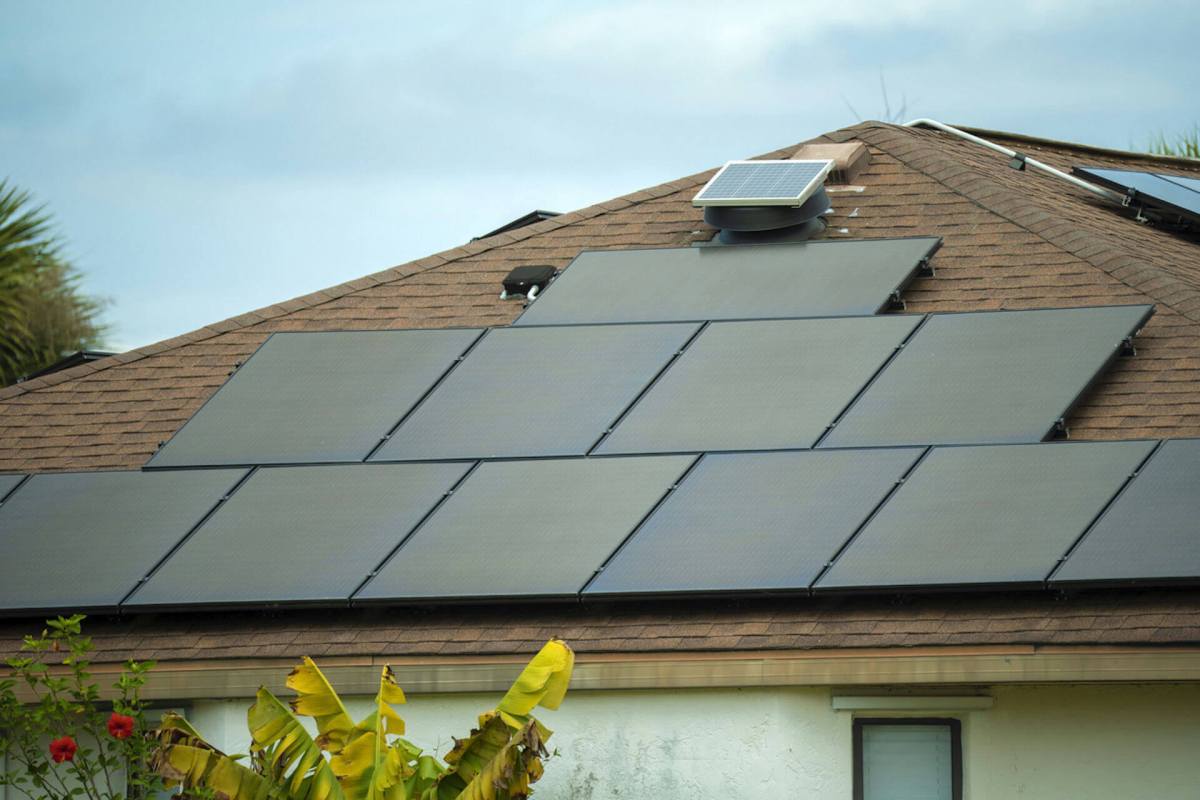

• One homeowner showed how snagging $10,000 in incentives cut the cost of new panels.
• A home energy expert said cashing in on incentives can save thousands on rooftop solar.
If you're weighing whether to finance batteries or expand a paid-off system, these articles can help put the tradeoffs in perspective. They give a clearer sense of the savings, incentives, and backup benefits before permits and utility rules complicate the decision.

Get TCD's free newsletters for easy tips, smart advice, and a chance to earn $5,000 toward home upgrades. To see more stories like this one, change your Google preferences here.






