


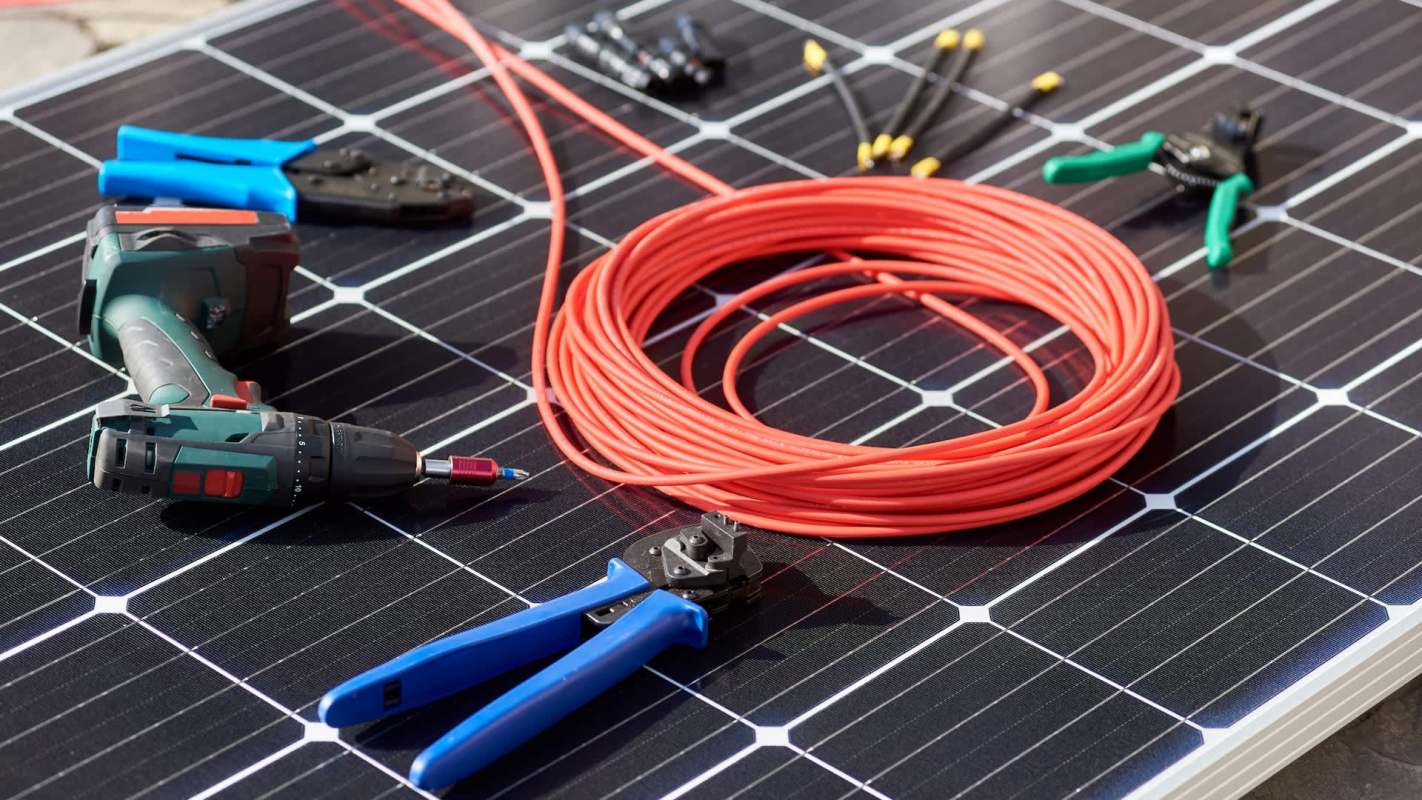
For one California homeowner planning a DIY solar-and-battery project, the panels themselves were not the main source of confusion — permitting approvals were.
Because the homeowner lives in a high-fire-risk area, they feared what an unapproved installation could mean for their already expensive fire insurance.
Here's what to know
Writing in a thread on Reddit's r/SolarDIY forum, the homeowner said the lower cost of DIY solar was appealing, but they didn't want to "void" costly fire insurance by installing equipment that could not be approved.
The original poster then asked whether anyone in California had managed to get a more customized system independently tested and permitted.
Replies suggested that the OP's path might be easier with standard, listed products.
"You need to talk to your power company, if you are tying to the grid," one commenter warned.
Another Reddit user said: "The batteries must be UL listed and installed outside, and the panels must be on the approved list for California, but otherwise you just need typical, off the shelf plans."
The OP said they were in Kern County and served by SCE, adding: "Will make sure to talk to them as a priority."
Save $10,000 on solar panels without even sharing your phone number Want to go solar but not sure who to trust? EnergySage has your back with free and transparent quotes from fully vetted providers that can help you save as much as $10k on installation. To get started, just answer a few questions about your home — no phone number required. Within a day or two, EnergySage will email you the best local options for your needs, and their expert advisers can help you compare quotes and pick a winner. |

People in the thread also emphasized that the final answer often depends on local enforcement, not just statewide standards. As one commenter put it: "You need to talk to your AHJ (aka building department) as the exact rules [for] you to build… can vary a lot from one place to another."
Before buying any hardware, commenters said that the homeowner should start with their utility and then the local building department. They also advised confirming interconnection rules, battery requirements, and permit steps, then pulling together documents commonly used in approvals, such as a property map, one-line diagram, mounting layout, and product specification sheets.
More background
The discussion centered on a real tension for homeowners: that DIY energy upgrades can promise savings, but code compliance, utility rules, and insurance concerns can quickly change the equation. That is especially true in wildfire-prone parts of California, where battery placement and product certifications may face closer scrutiny.
Still, going solar and/or adding a battery can result in significant energy savings. Comparing equipment and installer options early can help, and tools such as EnergySage let users get free solar installation estimates and compare quotes before committing.
More From EnergySage
💡Go deep on the latest news and trends shaping the residential solar landscape

With EnergySage's help, the average person can save up to $10,000 on solar purchases and installations. That kind of side-by-side pricing can help homeowners avoid overpaying for a system that still needs to meet local code.
Plus, adding battery storage to a solar setup is one of the best ways to protect your home during outages, save money on energy, and go off-grid. Homeowners can also explore EnergySage for information about home battery storage options, including competitive installation estimates.
Where can I learn more?
Questions about battery permits often spill into wider choices about system design, financing, and local rules. The articles below cover those same questions, from whether a battery makes sense to how homeowners can compare solar costs when policy or neighborhood restrictions come into play.
• One homeowner skipped the battery and added an electric vehicle charger, and the system still worked.
• EnergySage has unraveled the mystery of solar costs by breaking down installation variables.
• In a homeowners association dispute, a homeowner considered a sneaky method to avoid solar rules.

Get TCD's free newsletters for easy tips, smart advice, and a chance to earn $5,000 toward home upgrades. To see more stories like this one, change your Google preferences here.






