


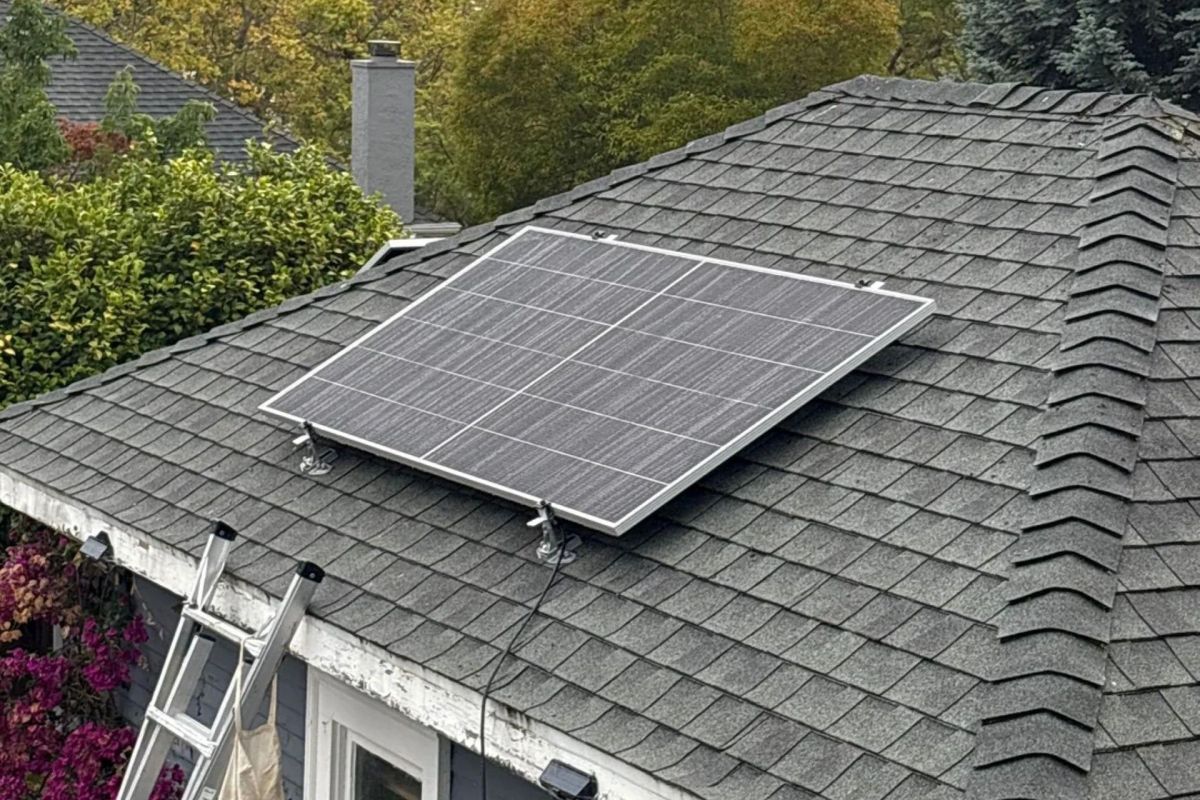
One California DIYer shared the plug-in solar array they designed online, even though the system isn't technically legal yet.
The homeowner also shared how expensive it was to build and what went into designing it.
Here's what to know
The homeowner shared their design in Reddit's r/SolarDIY community, writing, "Thanks to knowledge here, [I] wanted to share my balcony solar system installed in California! Been operating for about a month now, utility company hasn't said anything. This setup is awaiting governor signature to make legal."
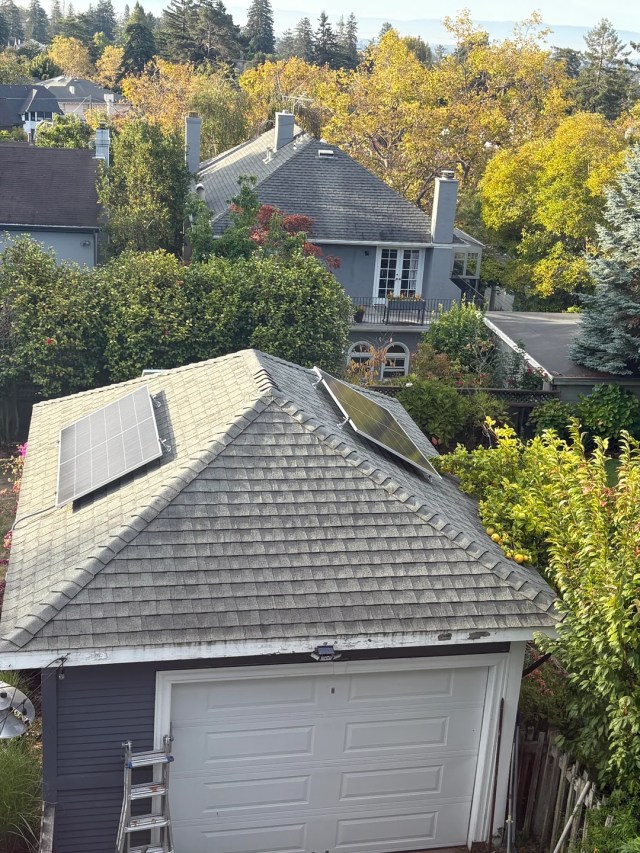

The original poster then laid out the project budget. It included three 585W bifacial panels (for $550), a microinverter (for $300), mounts (for $250), a smart meter (for $70), and three PV junction boxes (for $100). This puts the total cost just above $1,200, far less than a standard solar installation.
The OP emphasized both the difficulty of setting up the project and its output. They wrote that the "Power output is great!... [But] man those panels are a pain to get up. They are approximately 4'x8' and weigh 70 pounds each."
Commenters were overwhelmingly supportive of the project, with the top comment saying, "Good job. Yes, you can clean it up and yes, there will be nay-sayers. Keep learning about the new state rules and move to full compliance if you can."
And while some pointed out potential safety risks, others were more concerned with the payback period. When one commenter asked, "Have you calculated when you will break even?" OP wrote, "Given location and winter sun, I expect to break even after 18 months."
More background
Plug-in solar, sometimes called balcony solar, can be much cheaper and easier to start than a full traditional rooftop system. Rather than committing to a large installation, some households are looking at smaller systems that can offset daytime electricity use with a lower upfront cost.
Save $10,000 on solar panels without even sharing your phone number Want to go solar but not sure who to trust? EnergySage has your back with free and transparent quotes from fully vetted providers that can help you save as much as $10k on installation. To get started, just answer a few questions about your home — no phone number required. Within a day or two, EnergySage will email you the best local options for your needs, and their expert advisers can help you compare quotes and pick a winner. |

That is especially relevant in places with high utility rates. A setup that can produce nearly 1,200 watts during sunny stretches can help reduce the amount of electricity a home draws from the grid for appliances, electronics, and cooling.
These reasons likely explain why so many states are now pushing to legalize these smaller-scale systems. To see the status of balcony solar legislation in your state, check out Bright Saver's map that tracks plug-in solar bills across America.
For households with good sun exposure, though, getting rooftop solar is one of the best ways to save money on home energy, and exploring EnergySage can help you get free solar installation estimates and compare quotes.
With EnergySage's help, the average person can save up to $10,000 on solar purchases and installations. Readers can also use EnergySage's solar map, which shows the average cost of a home solar panel system by state, along with details on solar panel incentives for each state.
More From EnergySage
💡Go deep on the latest news and trends shaping the residential solar landscape

Where can I learn more?
California's plug-in solar rules are changing fast, and outlet-connected systems are moving closer to the mainstream.
• Lawmakers have approved a plug-in solar bill letting residents use wall outlets.
• California moved toward balcony solar projects that plug into wall sockets and cut monthly power bills.
• California took another step closer to legalizing permit-free plug-in solar for homeowners.
Policy changes and local programs may shape the next wave of home solar.

Get TCD's free newsletters for easy tips, smart advice, and a chance to earn $5,000 toward home upgrades. To see more stories like this one, change your Google preferences here.






