


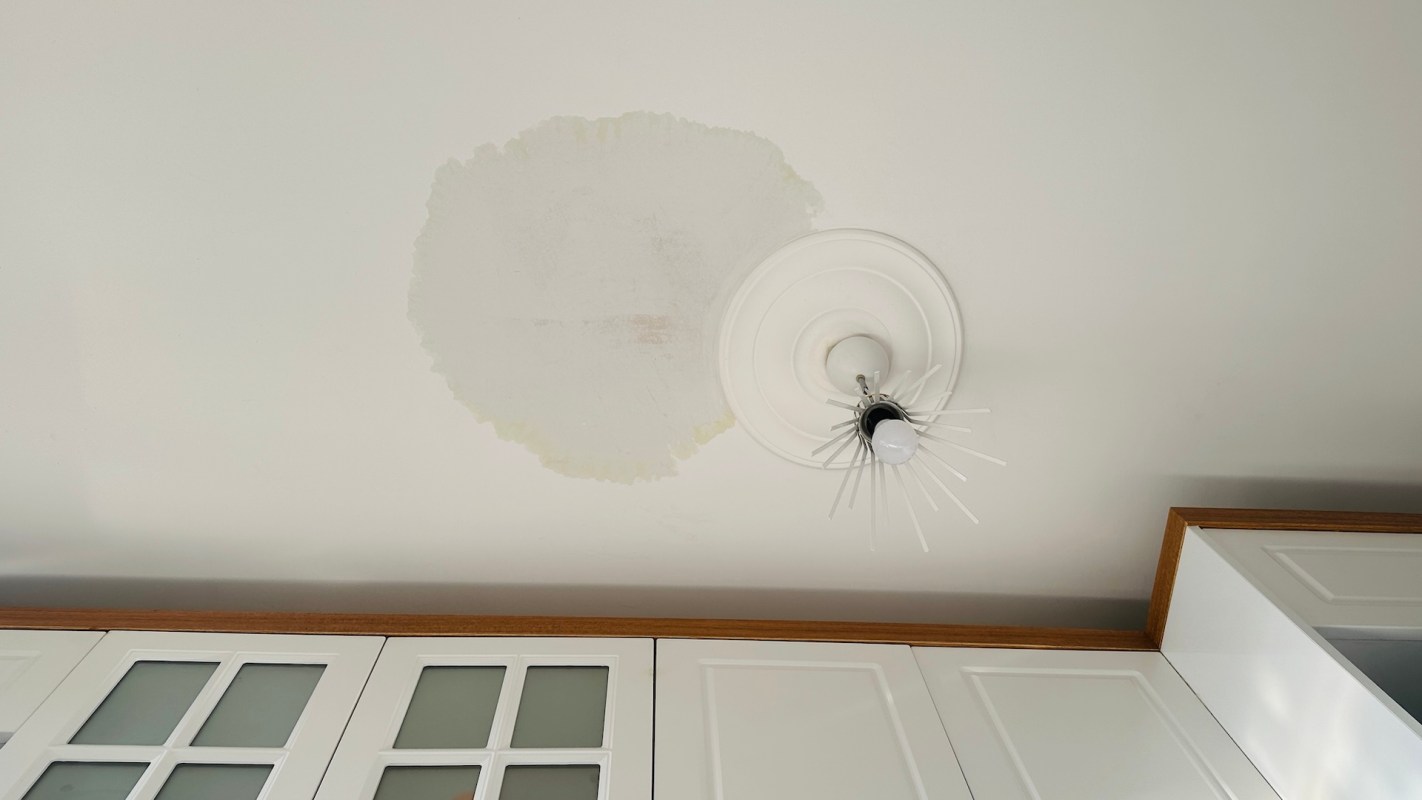
A California condo owner reconsidered an insurance claim — their first in 18 years — when their downstairs neighbor sought just a few hundred dollars for repairs.
The situation arose after a leak damaged the neighbor's ceiling, raising concerns that a small repair bill could lead to higher insurance premiums.
Here's what to know
The condo owner visited Reddit's r/Insurance for advice as they weighed their options.
In their post, the user asked whether withdrawing the claim, paying the neighbor directly, and obtaining a liability waiver was an option — or whether they should let the claim stand as-is.
The insurer determined that the owner had not been negligent and that the policy's "damage to property of others" coverage could pay for the repairs.
The owner admitted that they filed the claim "mainly because I didn't want to deal with it."
TCD Picks » Quince Spotlight
💡These best-sellers from Quince deliver affordable, sustainable luxury for all




A leak in the owner's air conditioning condensate drain line sent water straight onto the downstairs ceiling. It was caught quickly, and the insulation inside the wall still looked clean.
The only apparent damage to their unit was a small drywall opening cut to locate the leak.
More background
Their neighbor preferred covering up the damage over pursuing full remediation, prompting the owner to ask whether they could face additional liability if mold appeared months later.
The owner said the association's covenants, conditions, and restrictions held whoever maintained the water source responsible for the resulting damage.
Because the drain served only their personal air conditioner, the owner questioned how those rules aligned with the insurer's finding that they had not been negligent.
One commenter explained that responsibility under association rules differs from the liability covered by an insurance policy, while another described receiving a renewal surcharge after their own minor water damage claim.
What can be done?
One commenter advised letting the claim proceed, adding that it could not be withdrawn, and the owner initially agreed.
Another asked whether the damage inside the owner's unit could make other coverage relevant to the same claim.
When the owner raised concerns about future mold-related demands, a commenter suggested having the insurer explain the payment's purpose to the neighbor.
The owner also said their insurance agent had agreed with an earlier explanation of the damage-to-property-of-others clause.
"Personally, I would just let your insurance company handle it. They will explain to them that you're not legally responsible and they're paying this money under a coverage with your permission for a very specific purpose," the user explained.

Get TCD's free newsletters for easy tips, smart advice, and a chance to earn $5,000 toward home upgrades. To see more stories like this one, change your Google preferences here.






