


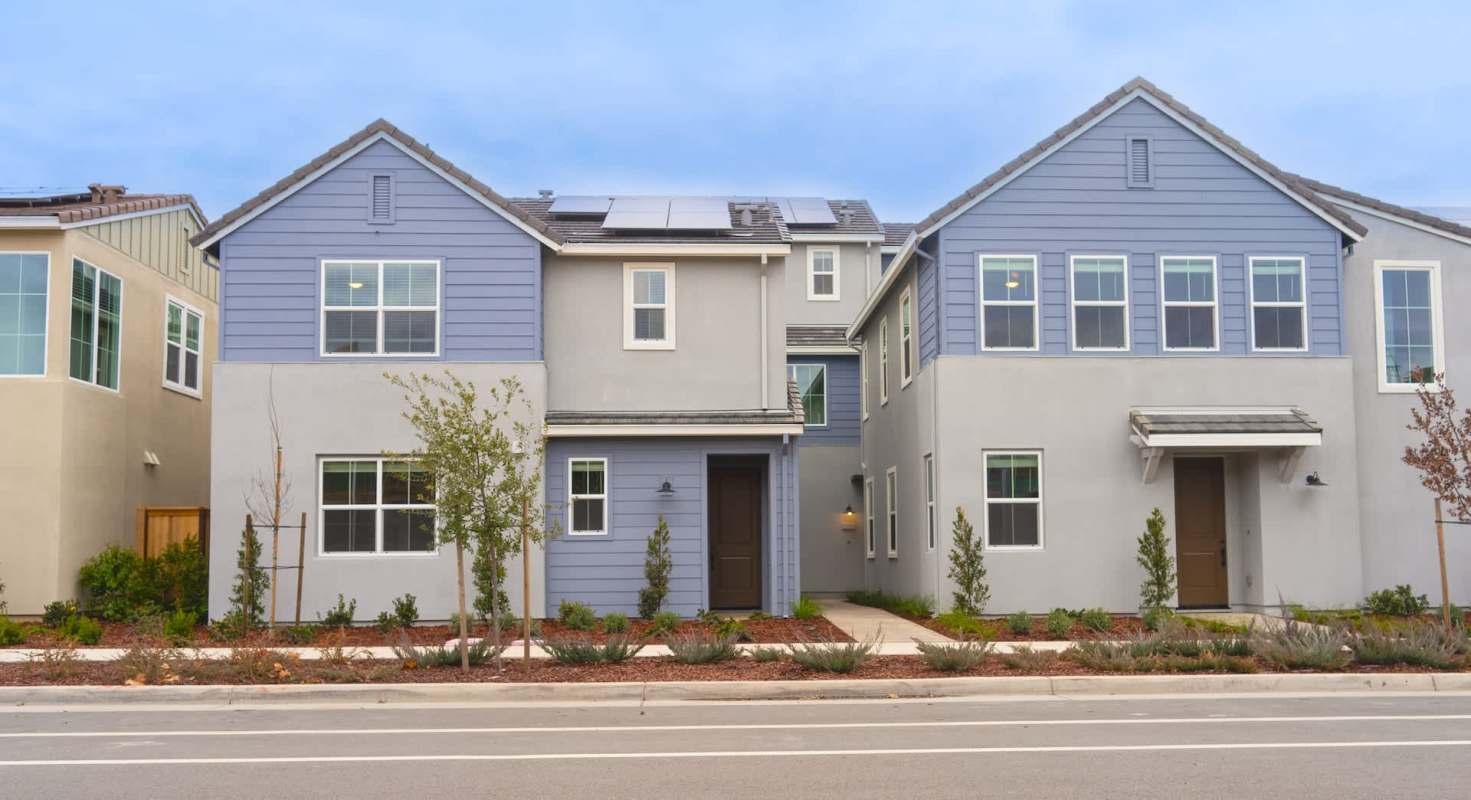
A bill sitting on the governor's desk could change how California condo owners pay for major building costs, potentially pushing more of that burden into regular HOA dues instead of unexpected lump-sum charges.
At the center of the proposal is a growing issue for many shared-interest communities: too little money saved for big repairs and long-term maintenance.
Here's what to know
Assembly Bill 2050 has passed the California Legislature and is awaiting action from California Gov. Gavin Newsom, who has until Sept. 30 to make a decision, as the San Francisco Chronicle reported.
If Newsom signs it, the measure would require homeowners associations to fund projected repairs and replacements over a 30-year period.
The bill's main funding requirement would begin in 2032. If an HOA's reserve study shows the association would fall short at any point during that 30-year span, it would have to direct at least 15% of its annual budget into reserves until the projection turns positive. If the regular budget can't absorb that amount, homeowners could face a "special assessment" to make up the difference.
HOA dues are already part of life for nearly one in four California households. Those payments help cover common-area repairs and shared amenities, and they have climbed along with insurance and maintenance expenses.
TCD Picks » Quince Spotlight
💡These best-sellers from Quince deliver affordable, sustainable luxury for all




Robert DeNichilo, legislative co-chair at the Community Associations Institute's California Legislative Action Committee, framed the measure as a more realistic way to handle ownership costs.
"No one wants to pay more than they have to … but the reality is those bills aren't going away. This is budgeting the actual cost of ownership," he said.
More background
For condo owners, one major pressure point has been financing, especially in buildings with thin reserves or unresolved maintenance problems.
In 2025, Fannie Mae began placing some condo buildings on a "blacklist." Many lenders will not finance purchases in those properties, which can leave buyers needing to pay in cash.
That dynamic can undermine affordability even when condo prices drop. A lower purchase price may still be offset by higher monthly dues, difficulty getting a loan, and elevated mortgage rates.
Critics of AB 2050 argue that the bill could give HOAs too much freedom to raise charges without enough oversight. Robert Herrell, executive director of the Consumer Federation of California, said the group supported a different proposal that would have limited annual assessment increases to 8% unless approved by a quorum of homeowners.
What's being done?
Supporters say the bill is meant to force more consistent saving so associations are less likely to delay repairs, impose emergency assessments, or end up with building conditions that make homes harder to finance or sell.
Nathan Godin, a doctoral student at the UC Berkeley Haas School of Business, said that California may be in a somewhat stronger position than Florida was before that state adopted similar reserve-funding rules, because California already requires HOAs to update reserve studies every three years.
He also noted that condo associations are facing another source of pressure: Fannie Mae's standards, which will require 15% of annual budgets to go to reserves starting in 2027.
Godin argued that steady monthly payments are preferable to leaving future owners with a large bill later.
"You don't want to be basically passing the buck on to future owners. You want to have this month-to-month payment instead of expecting some future special assessment. It's just better practice," he said.
Where can I learn more?
These articles look at HOA fee disputes, condo EV charger conflicts, fines, and homeowner-rights fights.
• A homeowner described years of steep maintenance fees and vague lawn rules under an HOA.
• In a condo complex, an HOA imposed new hurdles to prevent an EV charger installation.
• In Nevada, critics warned boards pile on unlimited fines and even foreclose over vague violations.
• In California, a housing measure sparked a big problem for emissions, affordability, and cost savings.

Get TCD's free newsletters for easy tips, smart advice, and a chance to earn $5,000 toward home upgrades. To see more stories like this one, change your Google preferences here.






