


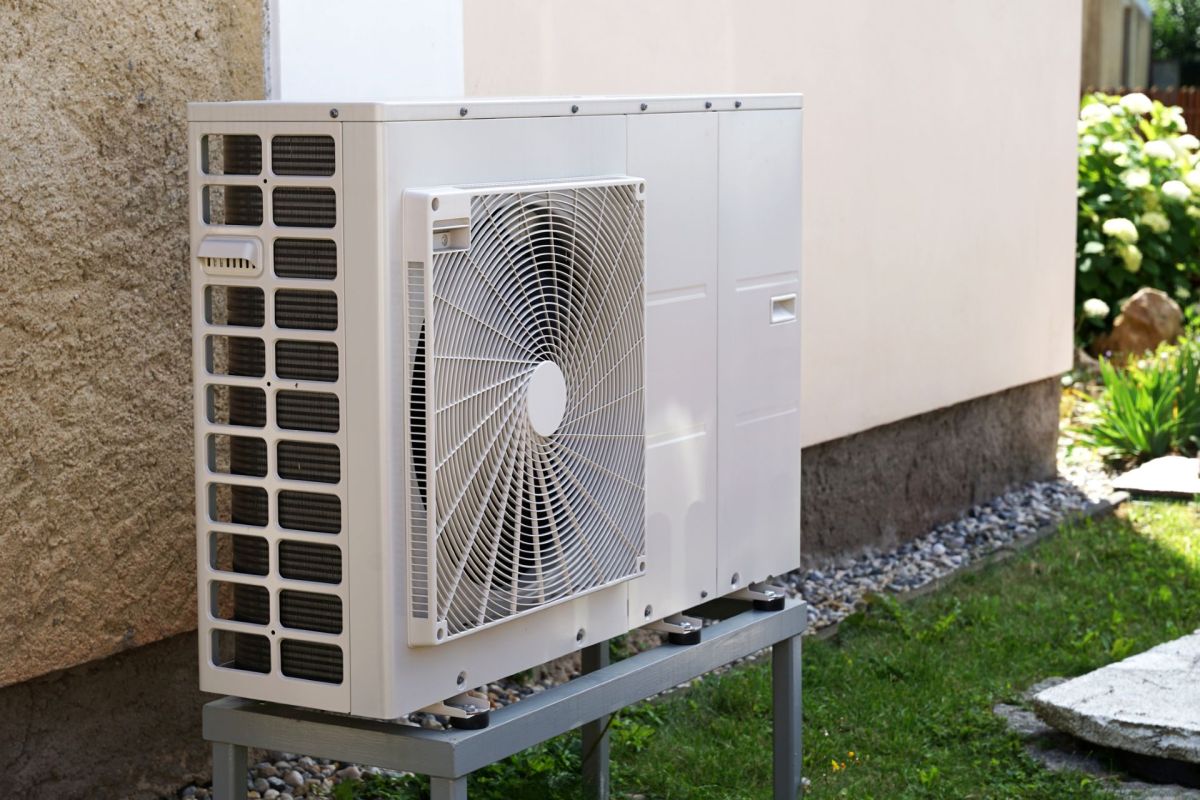
As one California condo owner sought bids for a new heat pump, contractor after contractor recommended sticking with a 4-ton replacement.
A commenter on Reddit, however, suggested that a different step could matter even more than the brand choice: getting a Manual J load calculation.
What's happening?
The discussion began in a post on Reddit from the owner of a roughly 2,400-square-foot, two-story condo in California, where temperatures range from about 30 to 100 degrees. The home currently uses a single-stage, single-zone 4-ton heat pump.
While collecting quotes for a replacement that would likely be a Daikin variable-speed system, the homeowner was trying to figure out whether the next unit really needed to stay at the same capacity.
Several vendors said the ductwork was already set up for 4 tons, which led the homeowner to ask, "Should I be considering a 3 ton unit now that I am going to variable?"
Moving to variable-speed equipment doesn't automatically correct a sizing issue. If the existing ductwork or the size of the old system are mostly driving the recommendation, the replacement can still end up larger than the home actually needs.
Why does it matter?
Heat pumps are significantly more energy-efficient than traditional HVAC systems because they provide both heating and cooling while moving heat instead of generating it the way furnaces do.
That can translate to tax credits, rebates, and long-term savings for homeowners, and tools such as EnergySage's Heat Pump Marketplace can help compare heat pump options before signing a contract.
Save $10,000 on solar panels without even sharing your phone number Want to go solar but not sure who to trust? EnergySage has your back with free and transparent quotes from fully vetted providers in your area. To get started, just answer a few questions about your home — no phone number required. Within a day or two, EnergySage will email you the best options for your needs, and their expert advisers can help you compare quotes and pick a winner. Solar panels can save you more than $50k over their 25-year lifespan, and EnergySage can help you save as much as $10k on installation. Which begs the question — isn't that worth an email or two? |

For people who don't need a whole-home replacement, Merino is another option.
Comfort isn't just about maximum output. An oversized system can cool a space too quickly, cycle on and off in shorter bursts, and do a worse job of controlling indoor humidity. This can leave parts of a home feeling clammy or uneven, especially in larger two-story layouts.
What can I do?
A Manual J is a room-by-room load calculation that accounts for square footage, insulation, windows, orientation, climate, and air leakage.
The goal is to match the equipment to the house itself. Compared with leaning mainly on the old unit's size or the current duct setup, a load calculation offers a more dependable way to determine what the home actually needs.
If you're collecting bids, it can also help to ask each contractor how they determined the recommended tonnage, whether duct modifications are necessary, and how the proposed system will manage airflow and humidity. Multiple quotes are most useful when each one is based on an actual load calculation.
"Get a Manual J done," one commenter wrote, adding that "variable speed can still oversize if ductwork's the only reason for 4 ton."

Get TCD's free newsletters for easy tips, smart advice, and a chance to earn $5,000 toward home upgrades. To see more stories like this one, change your Google preferences here.






