


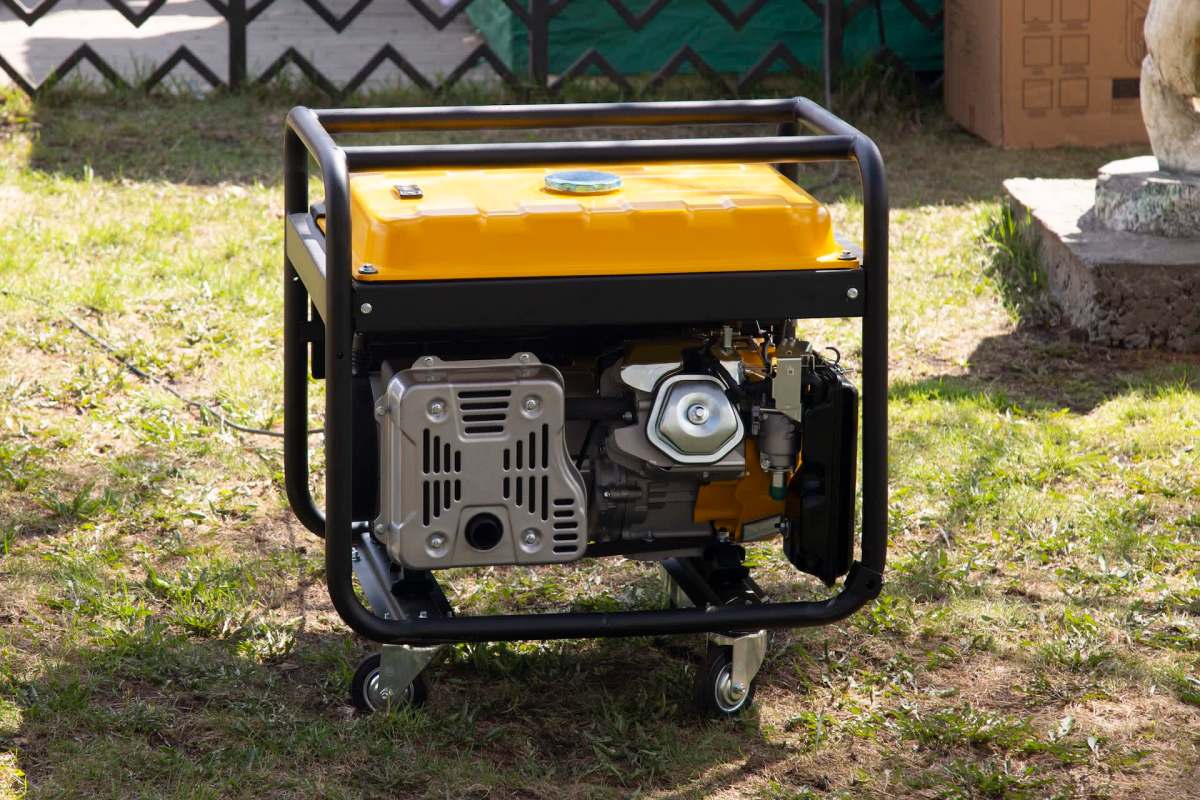
A cabin owner said replacing an oversized gas generator with a smaller propane inverter model cut a typical weekend fuel bill by more than half and reduced noise pollution.
Here's what to know
The new generator's first cabin weekend delivered the comparison shared in a Reddit post. During a Friday-to-Sunday cabin stay, the new setup used one 20-pound propane tank plus a small amount from a second. The original poster said a gas generator had previously "burst into flames," prompting them to buy a Diehard inverter generator at Costco.
The change was dramatic in both fuel use and cost. The OP's old routine used about 15 to 18 gallons of gas on a similar trip. They said that worked out to $60 to $90 per weekend before the switch, versus "probably $20" with the inverter generator.
Rather than crediting propane alone, commenters focused on generator size and design. One commenter wrote that the owner was "just seeing the economy and efficiency of a more right sized inverter generator as compared to a synchronous generator that is possibly 100% oversized."
A separate reply explained, "Inverter generators are more efficient because they throttle down when the load is minimal."
More background
At the cabin, the load varies by season and can include a refrigerator, a pizza oven, and, in hot weather, a window air conditioner that runs "pretty much non-stop." The OP later said the previous machine was "an 8600 watt generator" and "wasn't an inverter," which helps explain the large fuel gap.
TCD Picks » Quince Spotlight
💡These best-sellers from Quince deliver affordable, sustainable luxury for all




A commenter's back-of-the-envelope energy comparison pointed to the same conclusion. They added that a 20-pound propane cylinder has roughly 4.7 usable gallons.
In the commenter's words, "essentially none of the saving is propane being cheaper. all of it is the inverter throttling down instead of a fixed-rpm engine holding 3600 rpm on a light cabin load." Using those numbers, they estimated that the old setup consumed around 1.9 million BTUs over a weekend, while the new one used roughly 520,000 BTUs.
While home generators can be useful, more and more homes are turning to battery backups, even if they do not have solar panels, to store extra electricity for use during outages, or to use a plan that has off-peak pricing to store up power when it's cheaper and use it when grid power is more expensive. EasyHome makes it simple to check quotes from local contractors to get a sense of what that would cost and if it's right for your home.
What can be done?
The figures suggest the biggest savings may come from matching a generator to real-world use. Sizing a generator around actual loads may help avoid fuel waste.
Another commenter suggested, "Now grab a power station and solar panel and get that down to $5-$10."
Commenters also recommended hybrid setups. While heavy cooling demands may still require generator backup, batteries and solar can still help in many cases. One suggested that a cabin mainly running a fridge and some lights could shift some demand to a battery power station, leaving the generator to run mainly for charging.
"I think it was more down to I was running a non-inverter oversized generator vs the new smaller inverter generator more than anything," the OP wrote.
"We had it sitting on our deck this last weekend and you could barely hear it," they added about the new generator. "It was SO much nicer. I wish I would have done it just for that reason many years ago."

Get TCD's free newsletters for easy tips, smart advice, and a chance to earn $5,000 toward home upgrades. To see more stories like this one, change your Google preferences here.






