


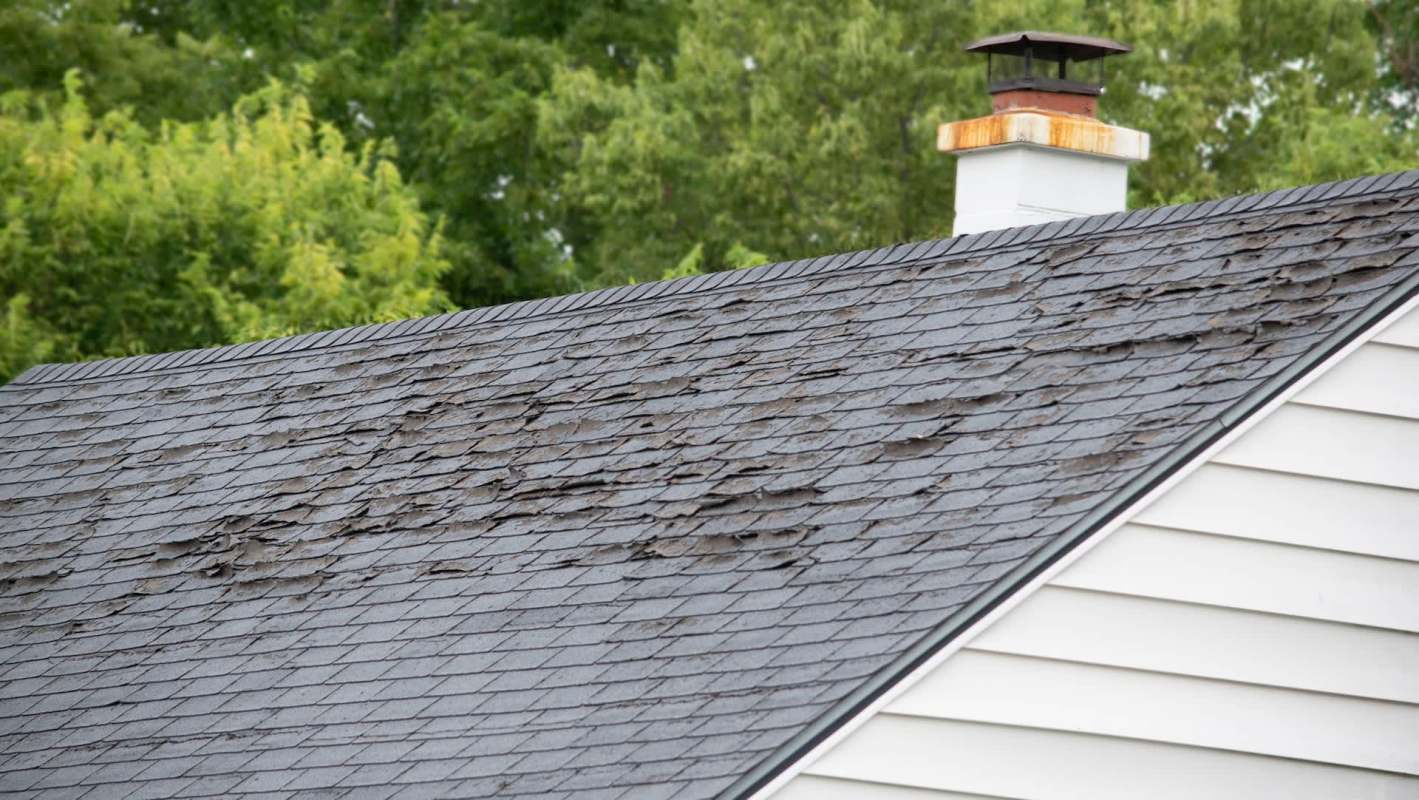
Loving a house does not protect a buyer from expensive surprises.
In one online thread, a shopper fixated on a home with an aging roof was reminded that the real obstacle might be bigger than the repair itself, and that the property may be hard to insure.
Here's what to know
A prospective buyer explained the dilemma in a post to Reddit's r/RealEstateAdvice community. The original poster wrote, "We really love this house, but it needs a new roof." The buyer then said the sellers had moved less than a year after purchasing and had "no equity," before asking, "Any creative ways to make this deal work?"
The buyer was looking for a way to salvage the purchase even though the sellers seemed able to do little more than cover closing costs.
The discussion quickly shifted from the deal structure to a different concern: insurance.
The top comment warned, "If the roof is in old and in poor condition, you might not be able to find any insurance company that will write a policy until it's replaced. Without insurance, you will not be able to get a mortgage."
TCD Picks » Quince Spotlight
💡These best-sellers from Quince deliver affordable, sustainable luxury for all




Another commenter said closing might still happen before the problem fully surfaces. Even then, buyers could end up with only about 30 days to replace the roof before a policy is canceled and the mortgage company arranges much more expensive coverage.
One user plainly wrote, "How bad do you want it? Is this your forever home? Then, who cares about a $12k roof, make it happen. If not, tread lightly."
More background
Plenty of buyers are already straining to pay for a down payment, moving costs, closing expenses, and larger monthly housing payments. Add an immediate roof replacement or an unexpectedly high insurance bill, and the home's overall cost can jump fast.
The OP said the sellers were military and had received PCS orders, but commenters said that situation did not reduce the risk for the buyer. One reply made the same point more directly, explaining that the sellers' financial limitations were not an obligation the buyer had to absorb.
A deteriorating roof can affect whether the home is insurable. An inspection may help define the condition, and checking with an insurance agent early can give buyers a better sense of the risk before they get too deep into the transaction.
After someone noted that the current owners probably already have homeowners insurance, the buyer seemed to agree, writing, "That's a good idea; I should ask who they have their homeowners with."
And of course, receiving clear numbers is often more helpful than general reassurance. That could mean getting replacement estimates, asking sellers to document their claim that they have no equity, and evaluating options such as a reduced sale price, having the seller handle the repair before closing, or paying for the roof yourself.
If none of those options leaves enough room in the budget, walking away may still be the safest move.
One commenter's advice was to "Walk. There will be other houses. Don't let emotion cloud your judgment in a major transaction like this."
Where can I learn more?
One aging roof can point to a much bigger issue in the housing market. In several regions, homeowners and buyers are dealing with non-renewals, rate hikes, and fewer coverage options that can make a property harder to finance or hang on to. Insurance questions can shape a home purchase just as much as the inspection report.
• In Florida, soaring premiums are starting to price people out of basic home coverage.
• In California, CSAA's proposed hike could leave families facing new coverage gaps after renewal.
• Across the U.S., climate risks are pushing insurance rates to skyrocket faster than many expect.

Get TCD's free newsletters for easy tips, smart advice, and a chance to earn $5,000 toward home upgrades. To see more stories like this one, change your Google preferences here.






