


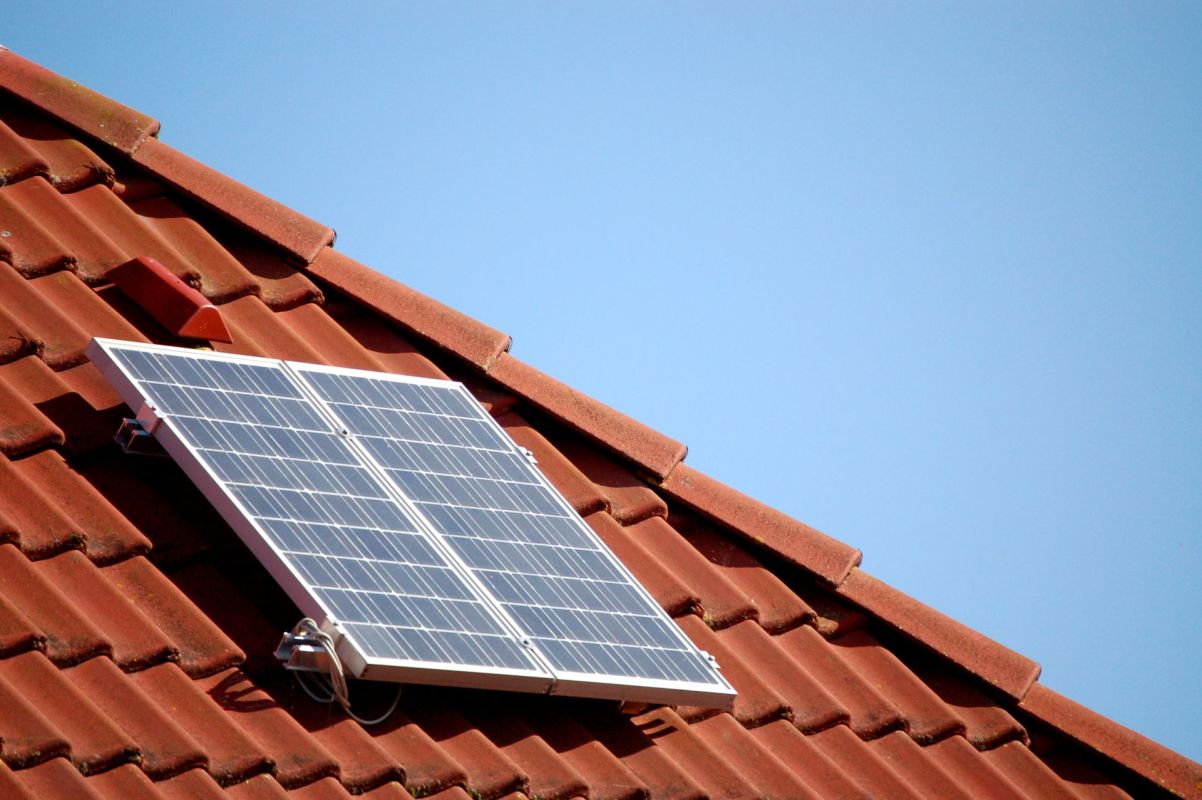
A solar panel kit on Facebook Marketplace may sound appealing to any homeowner focused on trimming electric bills, particularly during pricey evening rate windows.
But after one man shared his plan to use plug-in solar to slash summer energy costs, solar enthusiasts on Reddit shared a warning.
Here's what to know
The discussion began with a post in Reddit's r/Solar community after the original poster asked how simple it would be to set up the used solar system kit.
The bundle included an EG4 4500EX inverter, a 51.2-volt 100-amp-hour rack battery, 1,200 watts of solar panels, and two EcoWorthy 51.2-volt 50-amp-hour batteries. The OP was considering using the system for portable backup power and to save money on electricity at home.
OP wrote, "My thinking is it would be nice to use that power in the summer to offset time of day rates from 5pm - midnight."
One commenter suggested a more standard approach, writing, "Often how its done with real generators is to put a 30 or 50a infeed breaker on the panel next to the main breaker, and install an interlock."
The same commenter added, "The interlock physically prevents you from turning both the main and the generator breaker on at the same time."
And while some were fully on board with OP's plan (this commenter just said "Do it!"), others highlighted some major safety risks. One user wrote, "Paralleling a 100Ah rack pack with a 50Ah Ecoworthy — different sizes, different BMSs, probably different charge states — can throw a big inrush spike the moment they connect, and the two BMSs can end up fighting over the load."
Save $10,000 on solar panels without even sharing your phone number Want to go solar but not sure who to trust? EnergySage has your back with free and transparent quotes from fully vetted providers that can help you save as much as $10k on installation. To get started, just answer a few questions about your home — no phone number required. Within a day or two, EnergySage will email you the best local options for your needs, and their expert advisers can help you compare quotes and pick a winner. |

They added, "For the backfeed, I'd lean on the interlock + inlet route someone already mentioned rather than a plug-in microinverter into a wall outlet — that plug-in path isn't really code-compliant and can overload the branch circuit it's feeding."
More background
A properly designed battery-backed solar system can reduce dependence on expensive peak-period electricity, provide backup power during outages, and make better use of the solar energy already being generated at home.
But a poor installation can quickly undermine both the equipment and the savings.
Still, going solar is one of the best ways to save money on home energy, especially for households looking to cut peak-rate costs. Homeowners can explore EnergySage to get free rooftop solar installation estimates and compare quotes. EnergySage's free services can also help homeowners compare options before spending thousands on solar hardware. Those who do can save up to $10,000 on installations.
More From EnergySage
💡Go deep on the latest news and trends shaping the residential solar landscape

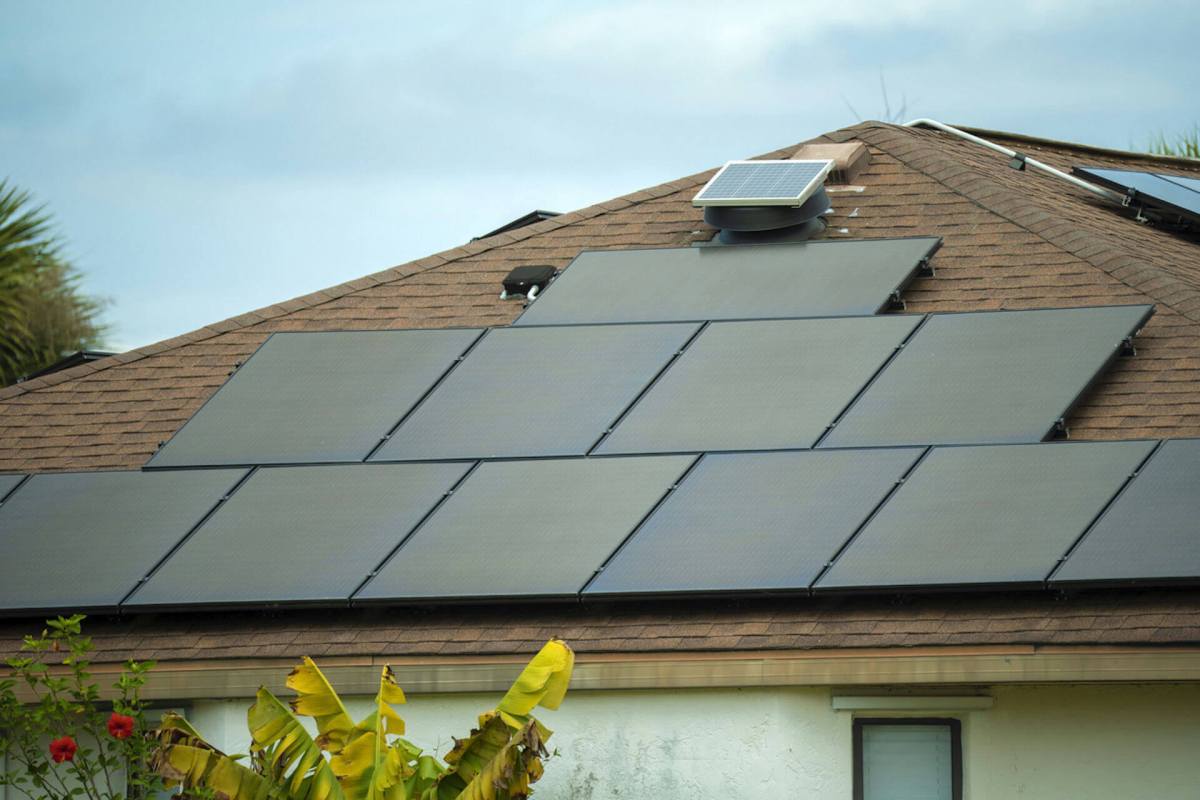



Get TCD's free newsletters for easy tips, smart advice, and a chance to earn $5,000 toward home upgrades. To see more stories like this one, change your Google preferences here.






