



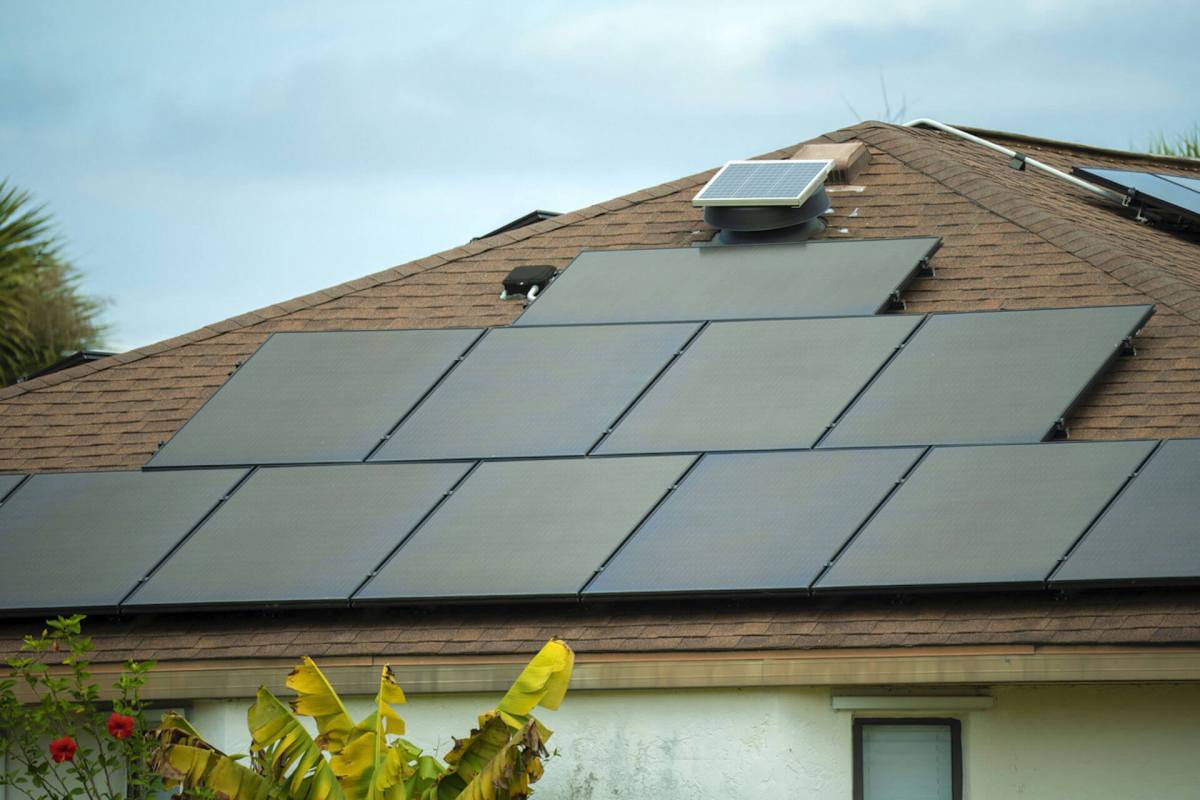
In California, a buyer in escrow discovered the property's solar agreement was not settled after all. Instead of an already-paid system, they were told the seller wanted to pass along a 25-year contract, which they feared would leave them with higher costs over time.
Here's what to know
In Reddit's r/solar, the buyer said the seller wanted to transfer a "power purchase agreement," or PPA, to them. Previously, their agent had told them that it was already paid off.
"I don't know anything about solar and need help/advice," they implored. The buyer added that the PPA, which started in 2023, would cost about $240 per month. As a concession for not paying off the system, the sellers offered a $15,000 credit.
Several commenters pushed back on the idea that the transfer was unavoidable.
Crushed by your bills? See instant solar savings from vetted installers in just a few clicks With energy prices through the roof, there's never been a better time to go solar — and EasyHome can help you find the best prices from the best installers in your area. EasyHome takes the guesswork and headaches out of energy upgrades by showing you estimated savings from a network of vetted local partners. To get started, just enter your ZIP and share a few details about your home — seeing your estimate is really that easy. |

One wrote, "Oh, the escrow can CERTAINLY 'go through' …seller needs to pay it off. Sounds like both your agent and selling agent are taking advantage of you." Others said the buyer should insist on a payoff or be willing to walk away from the 2013 resale home.
A third asked, "So you don't want cheaper power?"
Going solar can be one of the best ways to save money on home energy if you compare the terms carefully. As EnergySage notes, with a PPA, the "difference between what you'd pay the utility and what you pay the PPA provider is your savings." If you're considering solar, EnergySage lets homeowners get free solar installation estimates and compare quotes.
More background
For many commenters, the bigger concern with the PPA was what the payment could become over the life of the deal. One explained that with a 3% escalator, today's $240 monthly charge could climb to more than $400 before the term is over.
The thread also highlighted considerations beyond the electric bill, including the possibility of reroofing and the solar company's role in removing and reinstalling the panels. Some noted that a future sale could get tangled if the transfer paperwork isn't handled properly.
"If this house has shingles, and the lease /ppa has an escalator, this will likely end up costing you over $100K by the time the lease is paid off," one person warned.
What can be done?
Whether a PPA is right for you depends on your goals, and not every PPA is the same. In this case, Reddit users recommended asking for written information about assignment terms, fees, escalation rates and timing, and any buyout or prepayment provisions.
For anyone shopping for solar from scratch, EnergySage is a great resource to understand your options. With EnergySage's help, the average person can save up to $10,000 on solar purchases and installations. EnergySage's solar map shows average system costs by state and details solar panel incentives for each state; together, these tools help homeowners get the best price on rooftop solar panels and access available incentives.
More From EnergySage
💡Go deep on the latest news and trends shaping the residential solar landscape

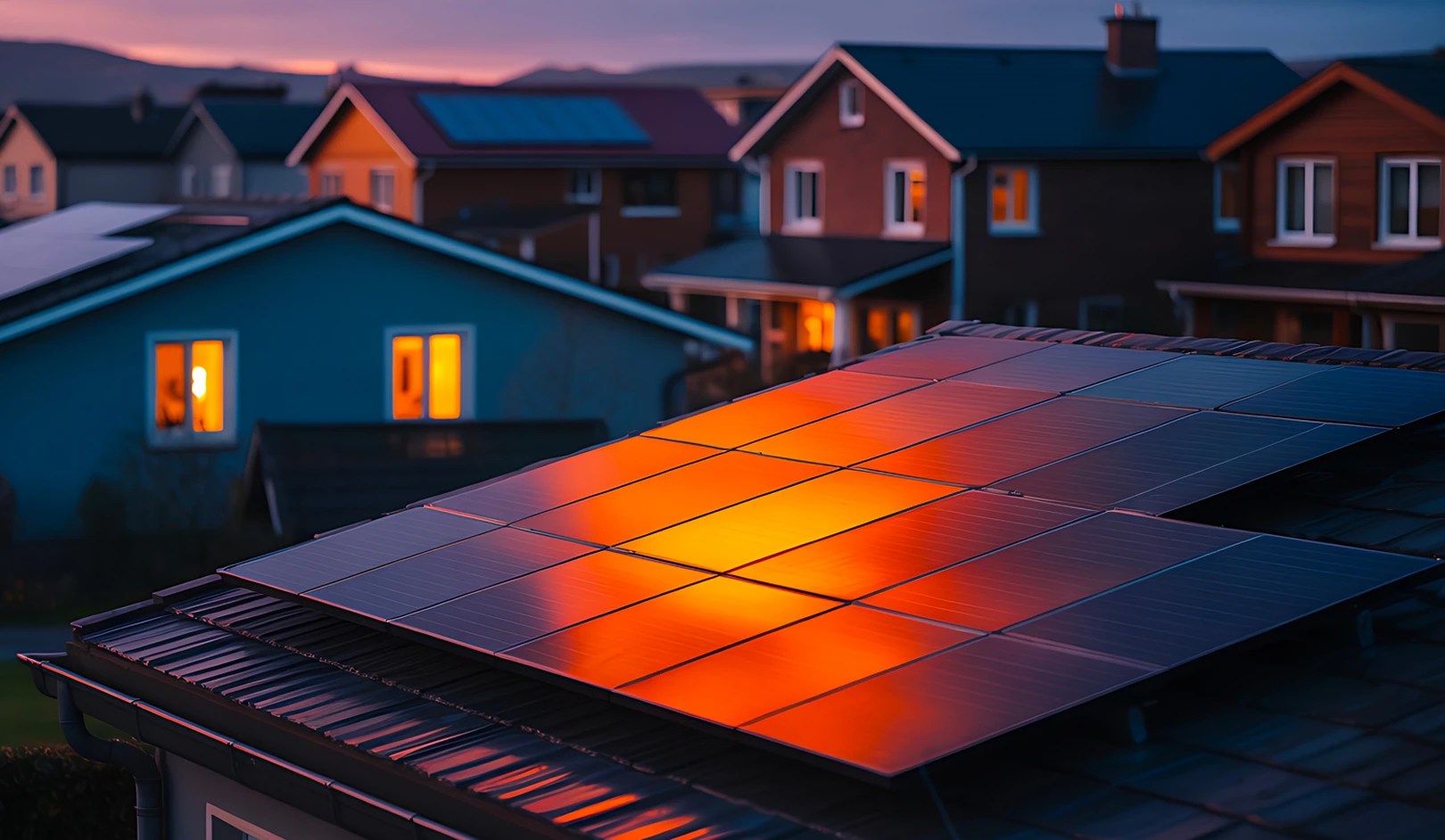

Adding battery storage to a solar setup is one of the best ways to protect your home during outages, save on energy costs, and go off-grid. It can also make solar more useful when production doesn't fully match household demand. Homeowners can explore EnergySage for information about home battery storage options, including competitive installation estimates.
Where can I learn more?
Solar deals can get especially messy during a home sale, and these stories cover issues buyers and homeowners may run into.
• In California, buyers considering a prepaid solar lease were told the power could come liability-free.
• In Pennsylvania, a homeowner fielding a sales pitch asked who owns the panels before signing.
• EnergySage's former COO broke down the mystery of solar costs and the terms that drive them.
• In Ohio, a homeowner learned net metering may leave half the bill untouched.

Get TCD's free newsletters for easy tips, smart advice, and a chance to earn $5,000 toward home upgrades. To see more stories like this one, change your Google preferences here.






