


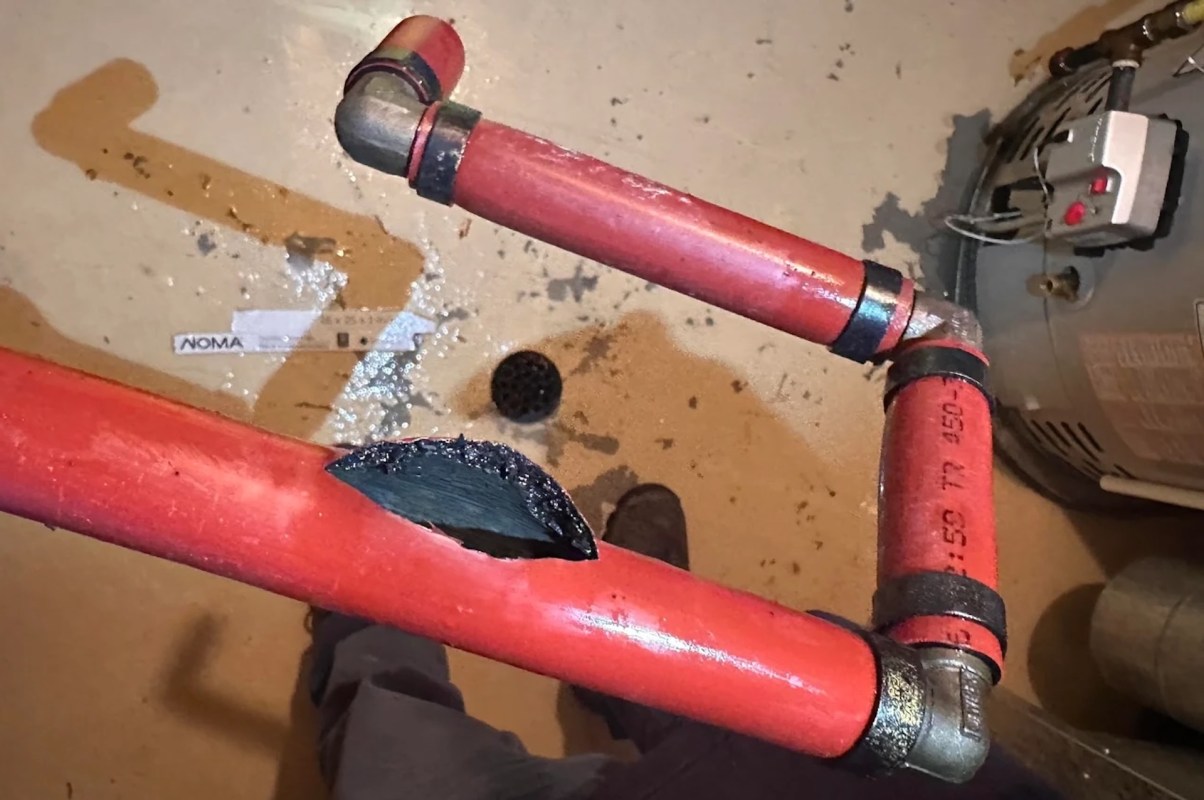
A burst pipe is bad enough. Realizing the tubing may never have been the right material in the first place is the kind of discovery that can turn a routine plumbing repair into a costly warning for any homeowner.
Here's what to know
In a post on Reddit, the homeowner said, "Sadly, a pipe near my water tank burst while I was at work. The plumber said it's weird the way it burst and the pipe was basically crumbling from the inside."
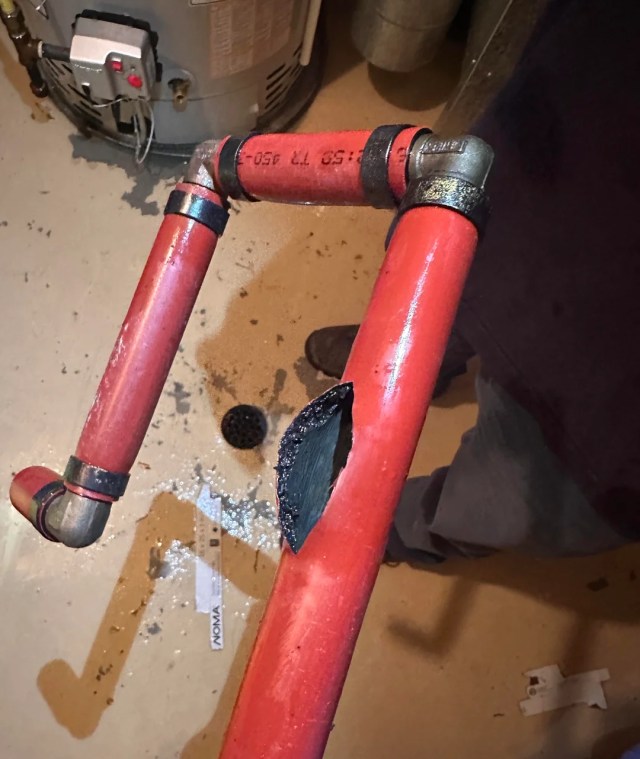
Much of the discussion centered on whether the red tubing was even standard PEX water pipe. One user said, "That's red rubber hose."
Another said, "THAT burst pipe is NOT PEX water pipe."
Some commenters also focused on the nearby section in the photo, saying it seemed to be deteriorating too.
One said, "Yes. See the other piece is starting to swell. PEX would never do that."
TCD Picks » Quince Spotlight
💡These best-sellers from Quince deliver affordable, sustainable luxury for all




From there, others suggested the installed line may have been mistaken for proper plumbing material because of its color and size.
If that is what happened, the burst would be more than a one-off leak. It would suggest the failure exposed a material problem that had gone unnoticed.
More background
Leaks near a water tank can waste both water and energy. If heated water escapes, homeowners are essentially paying for water they never use and energy they never benefit from. Spotting a questionable line early can help avoid emergency plumbing costs, as well as possible flooring, drywall, or mold-related repairs.
Another idea raised in the thread was that the tubing simply looked wrong for normal PEX.
One user said, "WTF. That pipe looks like flex duct that we use in industrial control panels for low voltage. It has the same ID as pex. I wonder if someone got confused."
Even without a definitive diagnosis from the thread alone, the swelling and crumbling described by the homeowner are warning signs that should not be dismissed.
What can be done?
One simple step is to inspect any exposed supply lines around water heaters, tanks, sinks, and laundry areas, especially in homes with older repairs of uncertain quality. If one section looks unusually brittle, swollen, discolored, or mismatched, asking a licensed plumber to identify the material before it fails could make a major difference.
A proactive inspection or targeted replacement is usually less expensive than an after-hours emergency visit. It can also reduce water waste and lower the risk of repeat leaks that quietly drive up utility costs over time.
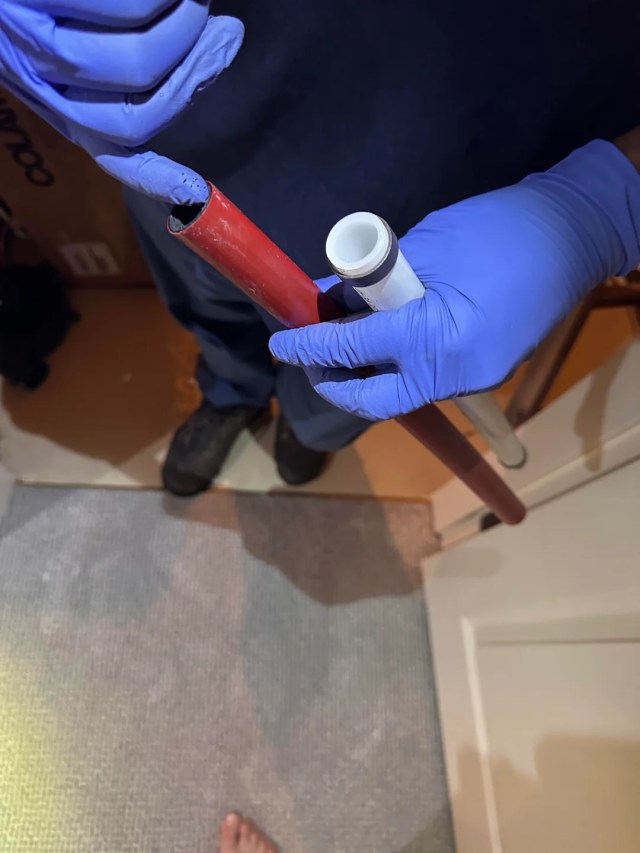
If a plumber replaces a questionable line, homeowners can also ask for photos of the removed section, the pipe labeling, and the manufacturer information for their records.
The OP replied, "It says Bow superpex.. is that good or bad? Lol"
That kind of product identification can help determine whether the issue stems from a poor installation, a defective batch, or the wrong tubing altogether.
Where can I learn more?
A burst line like this can point to bigger problems, from aging materials behind the walls to small plumbing issues that go unchecked until they get expensive. These articles cover lead-line replacements, outdated gas piping, leak-saving inspections, and other common home plumbing risks.
• In Wisconsin, homeowners with lead service lines could face shutoffs and fines as replacement aid dries up.
• In North Texas, decades-old plastic gas pipes were tied to a home explosion.
• A homeowner feared boiling water damaged pipes after trying to clear a stubborn clog.
• Plumbers warned that common sink prevention hacks can backfire and worsen drain problems.

Get TCD's free newsletters for easy tips, smart advice, and a chance to earn $5,000 toward home upgrades. To see more stories like this one, change your Google preferences here.






