


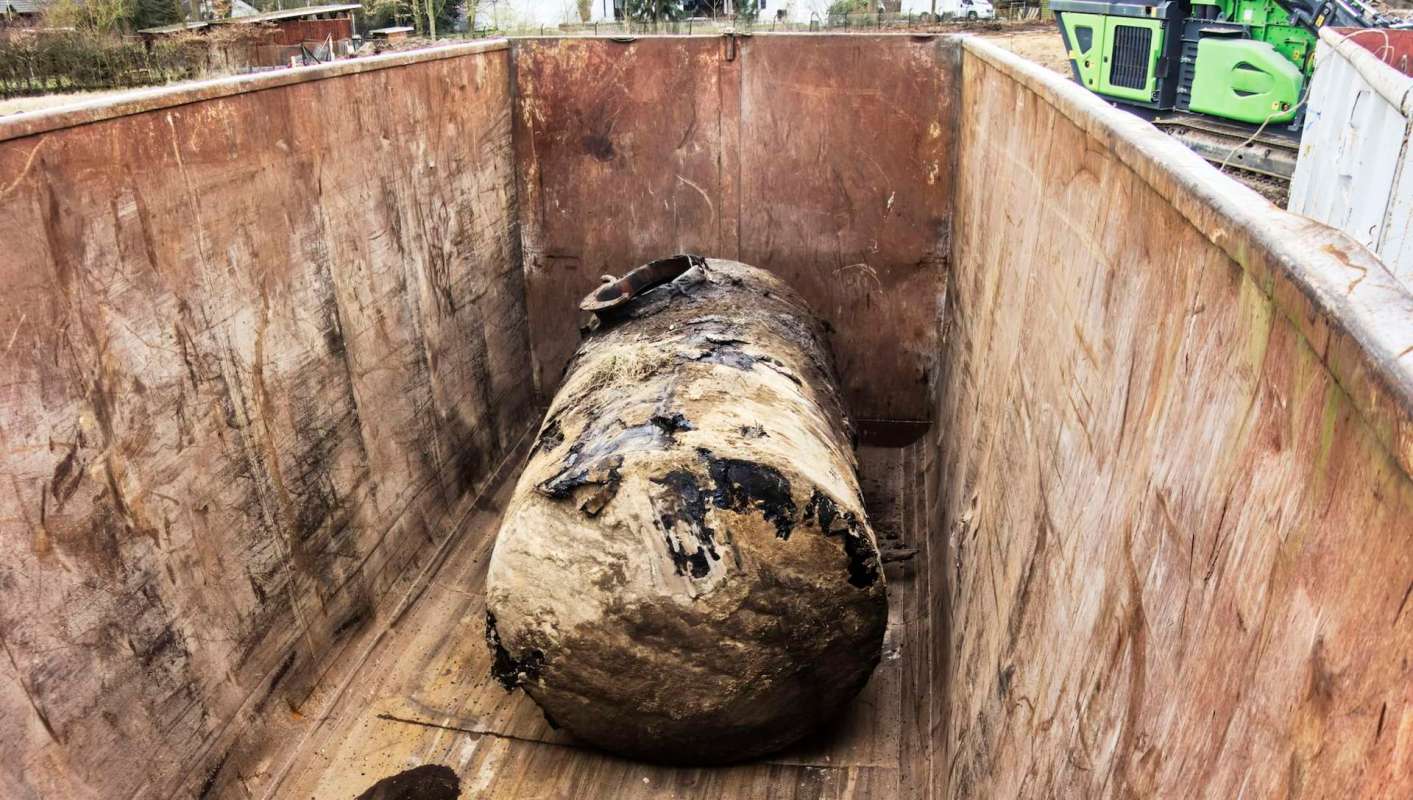
A buried heating-oil tank complicated a home purchase for a buyer who had spent years searching, raising the prospect of an expensive cleanup.
The sellers had paperwork showing the tank had been taken out of service, but Reddit commenters warned that potential cleanup costs could reach $100,000.
Here's what to know
A soil test had become a point of disagreement between the buyers' and seller's attorneys, according to a post on Reddit's r/homeowners community. The seller had permits and paperwork for the tank, which they had used until April before having it "properly abandoned."
Skipping the test could leave buyers responsible for cleanup costs. Meanwhile, finding contamination could lead them to abandon the purchase, leaving the seller to pay for remediation.
"Personally it doesn't bother my husband and I, but I want to make sure we're not being naive. Anyone have experience here?" the original poster wrote.
Soil testing was not required for the abandonment procedure in the buyer's state or county, according to a follow-up reply that did not identify either jurisdiction. The buyer said the process involved draining the tank and then filling it with foam.
TCD Picks » Quince Spotlight
💡These best-sellers from Quince deliver affordable, sustainable luxury for all




More background
Commenters noted that taking an oil tank out of service does not establish whether it had previously leaked into the surrounding soil. Several warned of potentially steep cleanup bills. One said their stepmother's tank removal and cleanup had cost $50,000.
Those figures, however, were personal accounts or warnings, not estimates for the property in question.
The commenter whose stepmother faced the cleanup also raised concerns about contamination spreading beyond the property line. The thread provided no evidence that this tank had leaked or that neighboring land was affected.
What can be done?
Abandonment paperwork alone was not enough for one commenter, who urged the buyer to remove the tank and test the soil before closing. Several commenters recommended making both steps conditions of the purchase. Others encouraged the buyer to check with their mortgage lender and homeowners insurer.
Although the original poster said local authorities did not require removal, the thread did not establish whether a lender or insurer had reviewed the situation.
One user said a leaking tank had required removal, along with roughly 30 yards of polluted soil, but their state's petroleum underground-storage-tank insurance program had covered the cost. Whether this buyer had comparable coverage remained unclear.
For one commenter, the risk of taking on a costly problem outweighed the appeal of a long-awaited home.
"I would not argue. I would draw a line in the sand. Dealbreaker. Not only a soil test. I want it out," they wrote.
Where can I learn more?
For buyers, a buried oil tank can mean weighing a home's appeal against the risk of a costly cleanup. These stories follow buyers and homeowners dealing with oil-tank costs, septic problems, and other potential repairs.
• A Seattle homebuyer discovered a buried oil tank and heard calls for soil testing.
• A Northeast homeowner received a $4,000 oil tank quote, prompting commenters to suggest dual-fuel alternatives.
• A U.K. buyer learned a septic tank went unemptied for decades, with inspectors warning of a $13,000 fix.
• A buyer considering a 100-year-old home repeatedly heard advice to get a sewer scope.
• A first-time homebuyer faced roof, HVAC, mold, and sewer problems as commenters urged walking away.

Get TCD's free newsletters for easy tips, smart advice, and a chance to earn $5,000 toward home upgrades. To see more stories like this one, change your Google preferences here.






