


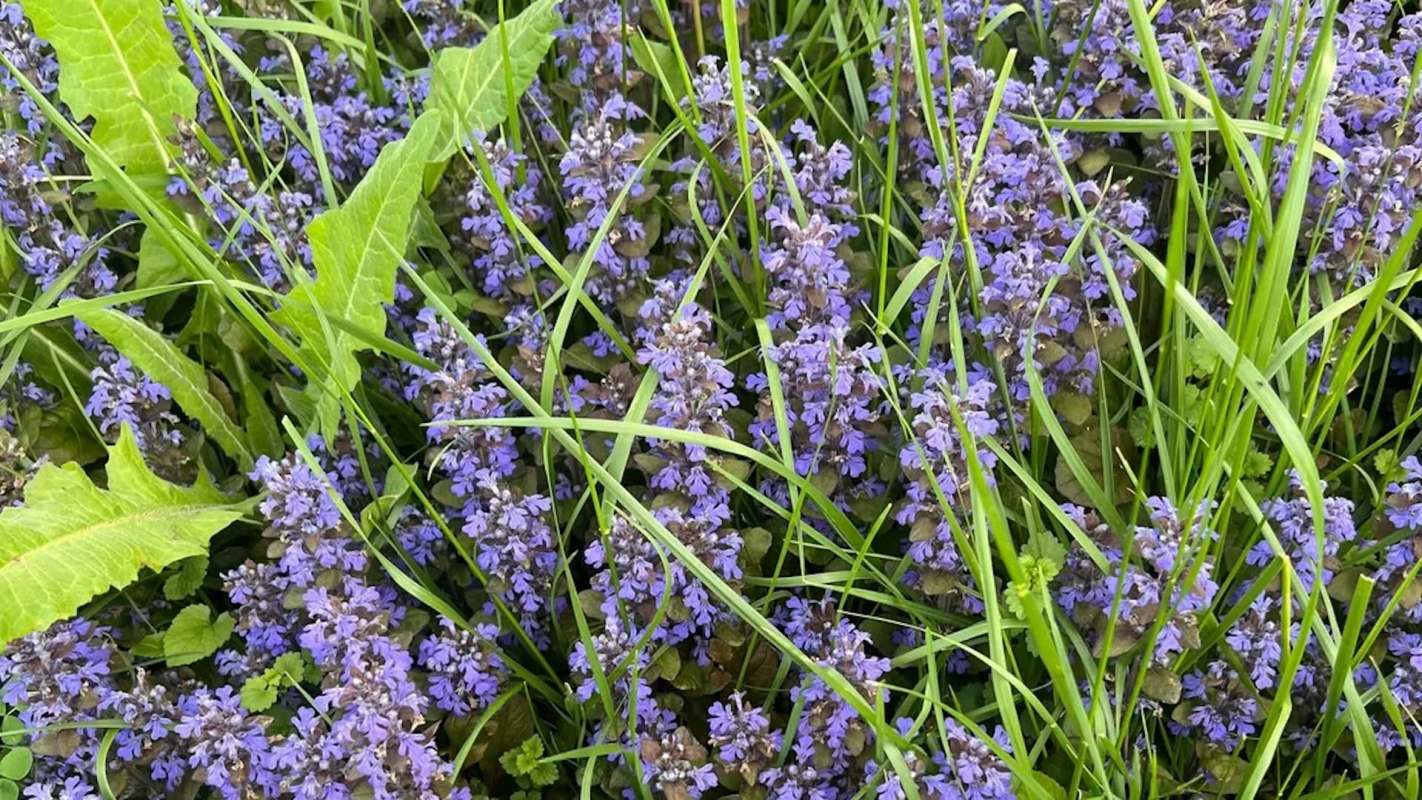
A patch of purple flowers spreading through a grassy yard might look like a win for pollinators at first glance.
But one Reddit post sparked a familiar debate: Can a bee-friendly plant still spell bad news for biodiversity?
In a widely upvoted Reddit thread, a user shared a photo and wrote: "This patch is spreading. Is it a friend? Bees love it."
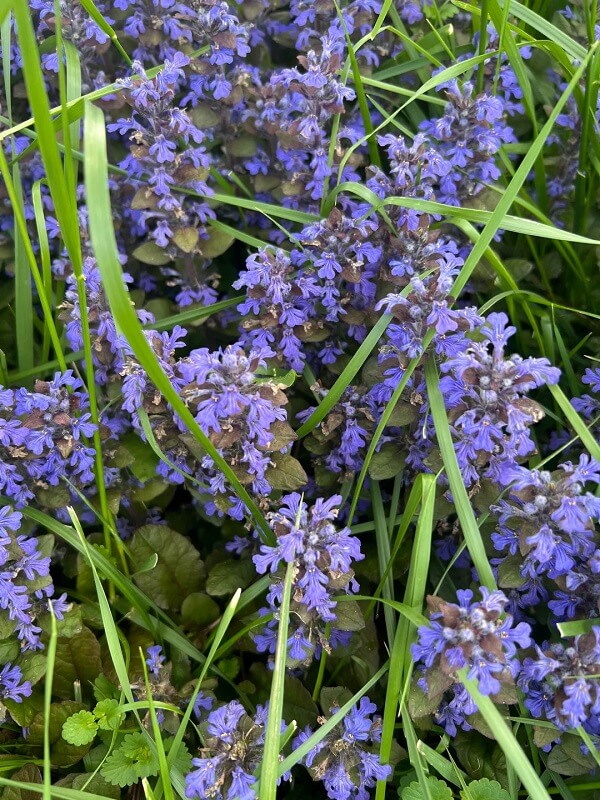
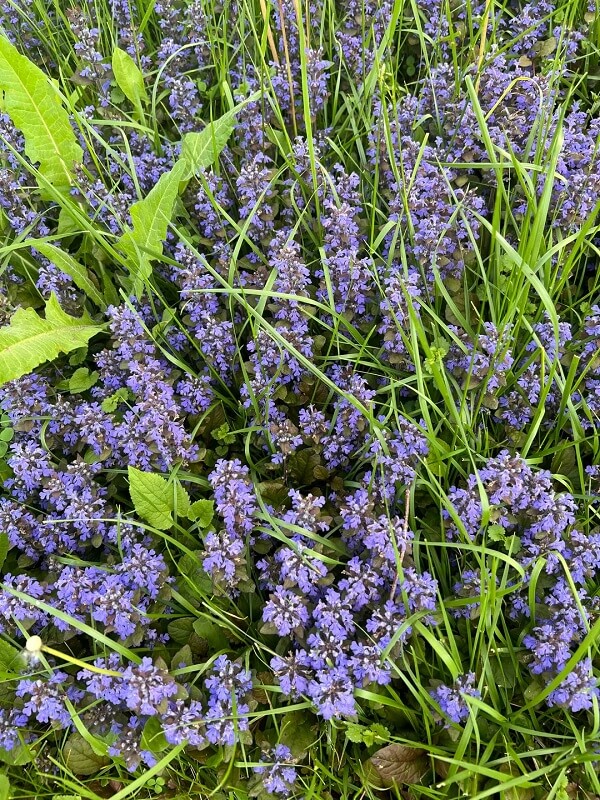
Most commenters said the plant was bugleweed — a European ground cover known for creeping aggressively through lawns.
The original poster later added context about the setting, writing, "On a farm in Ontario. It takes me 5 hours to cut grass so a small patch is not a big deal. Garlic Mustard is my bigger problem."
A recurring theme in the replies was that attracting bees does not automatically make a plant a good addition to the landscape. Commenters said that a species can feed pollinators and still create problems if it spreads too aggressively.
TCD Picks » Quince Spotlight
💡These best-sellers from Quince deliver affordable, sustainable luxury for all




That concern came through in one of the top responses: "Congratulations on the bugleweed lawn, because that's what's coming."
The conversation soon expanded beyond removal advice into a broader argument. Some users focused on the plant's value as bee forage, while native plant advocates warned about species that push out local plants.
One commenter was especially blunt: "Good luck removing it. It's here to STAY."
A yard filled with diverse regional plants generally supports more insects, birds, and healthier soil than one dominated by a single imported ground cover, even if it attracts bees.
Replacing part of a conventional lawn with native plants can save money on upkeep, reduce mowing time, and lower water bills while creating a more resilient habitat. Even replacing only part of a lawn can deliver many of those benefits without requiring a full yard overhaul.
Commenters also pointed to native plants that could offer a similar purple-flowered effect without the same concerns.
One suggestion was Prunella vulgaris, or self-heal, a pollinator-friendly plant that tolerates mowing and works well in lawn-like spaces.
Bee balm was also mentioned as a better option for adding color and nectar.

Get TCD's free newsletters for easy tips, smart advice, and a chance to earn $5,000 toward home upgrades. To see more stories like this one, change your Google preferences here.






