


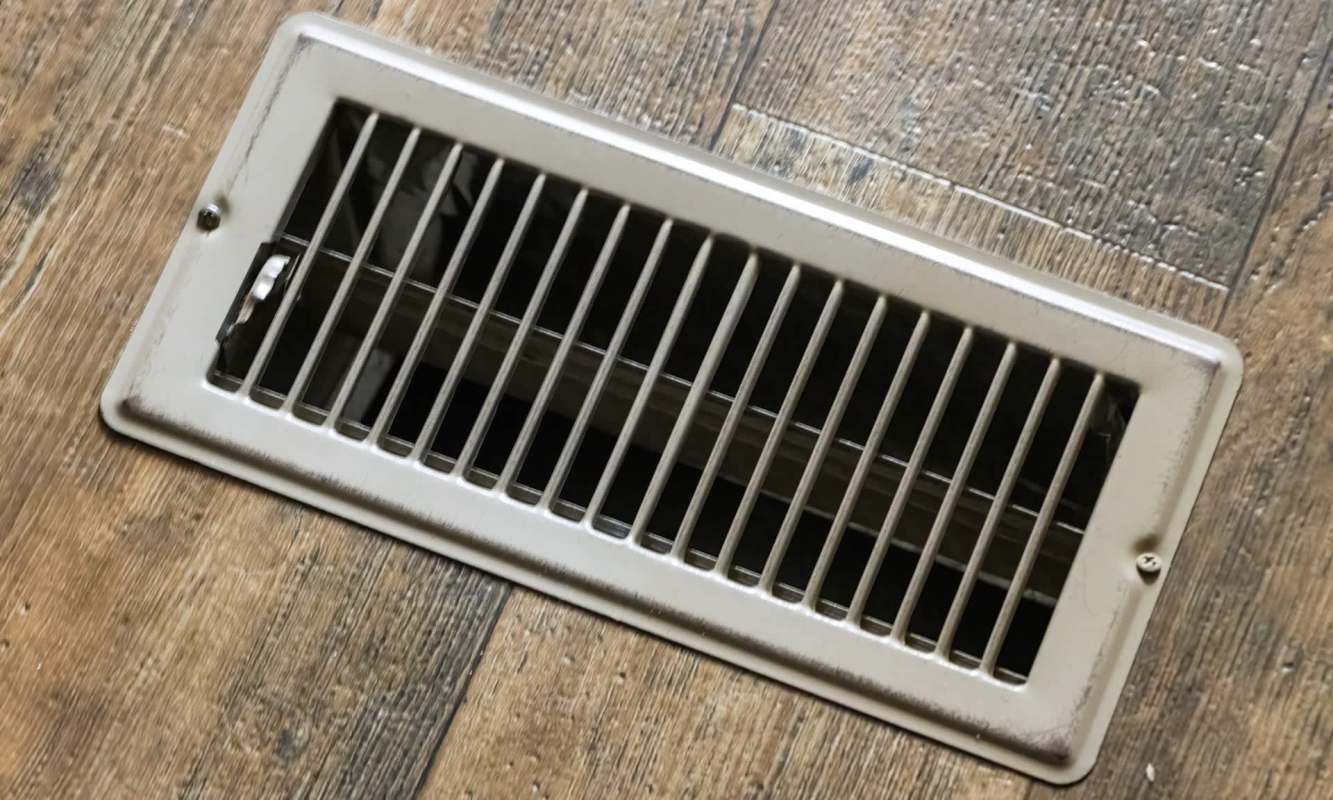
When a homeowner noticed brown-yellow "goop" collecting around HVAC vents, the first concern was that something inside the ductwork — possibly mold or another hidden issue — might be spreading through the home.
However, after hot water and baking soda were used on the surrounding carpet, the problem appeared to worsen, and the most likely explanation shifted away from the vents themselves and toward the cleanup attempt.
Here's what to know
Before any clear answer emerged, the poster said an HVAC company checked the system and "said they're not sure what it is," while also saying it was "unlikely to be mold" because there was no obvious humidity issue in the ducts.
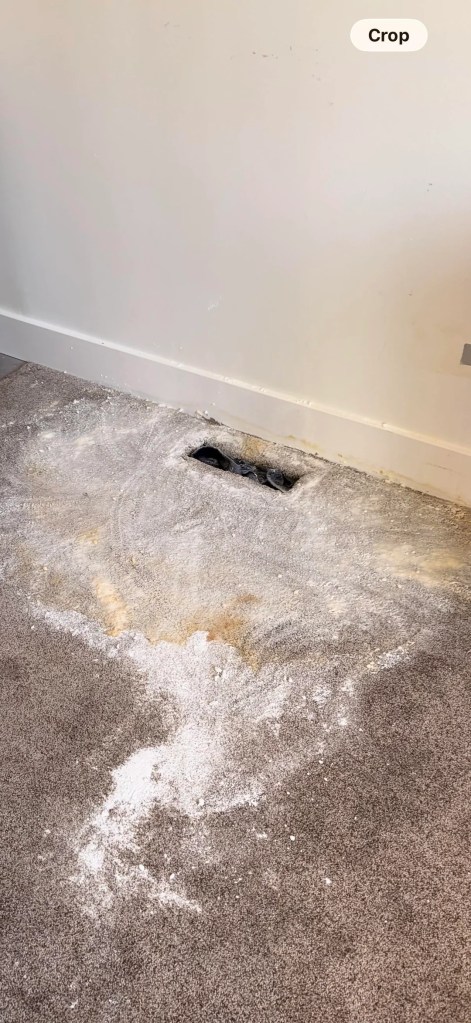
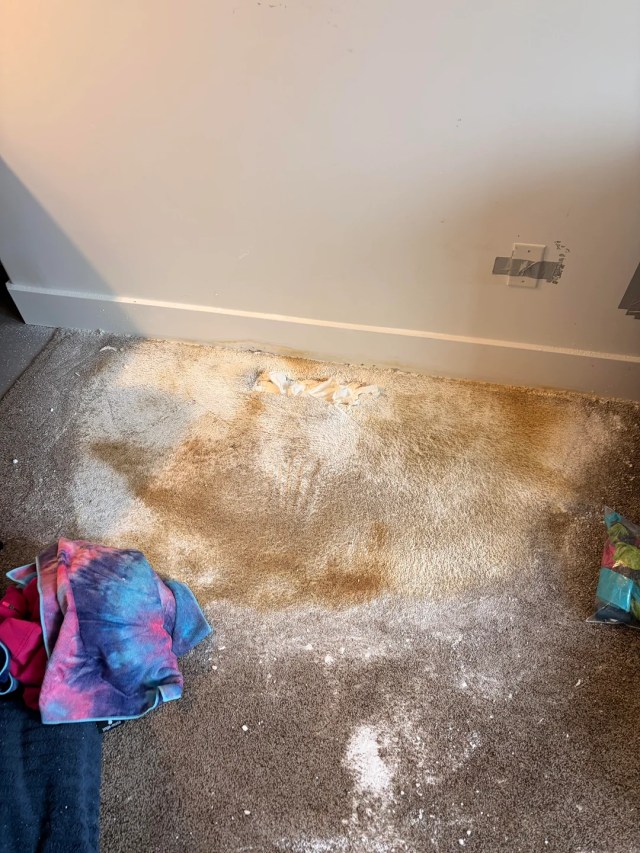
The homeowner had originally reported seeing "some brown/yellow goop collecting on the vents around my house" and said similar discoloration showed up when they wiped near one vent.
In the discussion, one commenter said they had previously cleaned carpets professionally for Stanley Steemer.
"The discoloration of your carpet is dirty water staining," the commenter wrote. "You poured so much hot water, it penetrated the carpet & went into the pad. Now the carpet wicked up that dirty water from the pad & stained."
TCD Picks » Quince Spotlight
💡These best-sellers from Quince deliver affordable, sustainable luxury for all




Even though the HVAC company recommended duct cleaning, sanitizing, and an air scrubber, the responses in the thread pointed more toward a carpet-and-pad issue than a vent problem.
The suggested next steps focused on extraction: use a rental carpet machine with clean hot water and do several suction-only passes for each wet pass, or bring in a professional cleaner with stronger equipment.
More background
Part of the concern came from the poster's note that vents in the parents' bathroom/shower area were "extremely rusty." Still, one commenter said that kind of corrosion can happen in damp spaces over time, writing, "Moisture and humidity will rust the vent covers over time without cleaning and upkeep," which suggested the registers may simply be aging in a humid area.
A different commenter said they could not identify the original substance for sure, but guessed the residue left behind might be "dissolved carpet glue, dust build up, and baking soda." That would mean the water introduced during cleaning may have turned ordinary household material into something that looked far more unusual.
"DO Not use Bleach products on carpet or around carpet areas," another commenter warned.
Using household staples like natural cleaning products provides an affordable way to tackle routine messes without relying on expensive, specialty formulas.
What can be done?
If the carpet has been soaked, lifting it and drying the pad and subfloor may help keep a staining issue from turning into a moisture problem.
"You need to pull the carpet back and get fans circulating air on your subfloor and backside of the carpet. If you live in a humid climate, dehumidifiers are needed," another commenter said.
The original poster wrote in an update, "Getting a lot better, thank you for the advice. Going to pull up the carpet, put some fans in to make sure there's no mold now! Appreciate all the tips from everyone."
Where can I learn more?
For more on carpet care, mold cleanup, and cleaning products that can backfire, these articles break down a few similar household issues.
• Using bleach on toxic mold can trigger dangerous reactions during cleanup.
• On TikTok, a mom found one simple ingredient that cleared carpet odors fast.
• Many carpet stains can be lifted without harsh chemicals with peroxide and baking soda.
• An expert cleaner showed a mystery pink spot could come out of beige carpet.

Get TCD's free newsletters for easy tips, smart advice, and a chance to earn $5,000 toward home upgrades. To see more stories like this one, change your Google preferences here.






