


A British doomsday prepper's underground bunker reportedly holds about £315,000 (around $420,000) worth of supplies, and the prepper shared what she believes every household should have to be ready.
Here's what to know
In comments to InYourArea, Rowan MacKenzie said households in Britain could use a per-person estimate of about £1,000 ($1,300) for emergency food and equipment, which works out to roughly £5,000 ($6,700) for four people. She said that level of spending could support about three weeks of supplies if rationing is handled carefully and would also include what is needed for a three-day bugout bag.
She described that figure as a rough planning estimate rather than official guidance and said families should not feel pushed to spend money they do not have.
"It really does depend on the household income, so only get what you can afford without breaking the bank," she said.
Official U.K. advice says to have enough essentials at home to get through roughly three days of disruption, whether from a natural disaster, a power cut, or an attack. MacKenzie says families should also think about what happens if problems with electricity, transport, or access to shops continue beyond that first stretch.
For MacKenzie, the priority is planning before anything else. "You don't need an (expensive) bunker to get started. You need a plan," she said.
TCD Picks » Quince Spotlight
💡These best-sellers from Quince deliver affordable, sustainable luxury for all




More background
MacKenzie's advice comes amid renewed debate about U.K. resilience and national security. The report cited warnings from politicians and defense officials, along with reports that the government had been revisiting its classified "war book" — a document used to organize national defense and shift from peacetime to wartime.
At the same time, setting aside a large emergency reserve remains unrealistic for many people. Finder research cited in the report put average savings at £19,214 ($25,604) for U.K. adults in 2026 and £9,888 ($13,167) for those under 55. It also said 39% of people had no more than £1,000 ($1,300) saved.
For many households, a modest stock of items they already use at home may be more realistic than full-scale prepping. Gradually building that stock can spread costs over time, reduce waste, and make short outages or transport disruptions less stressful.
What can be done?
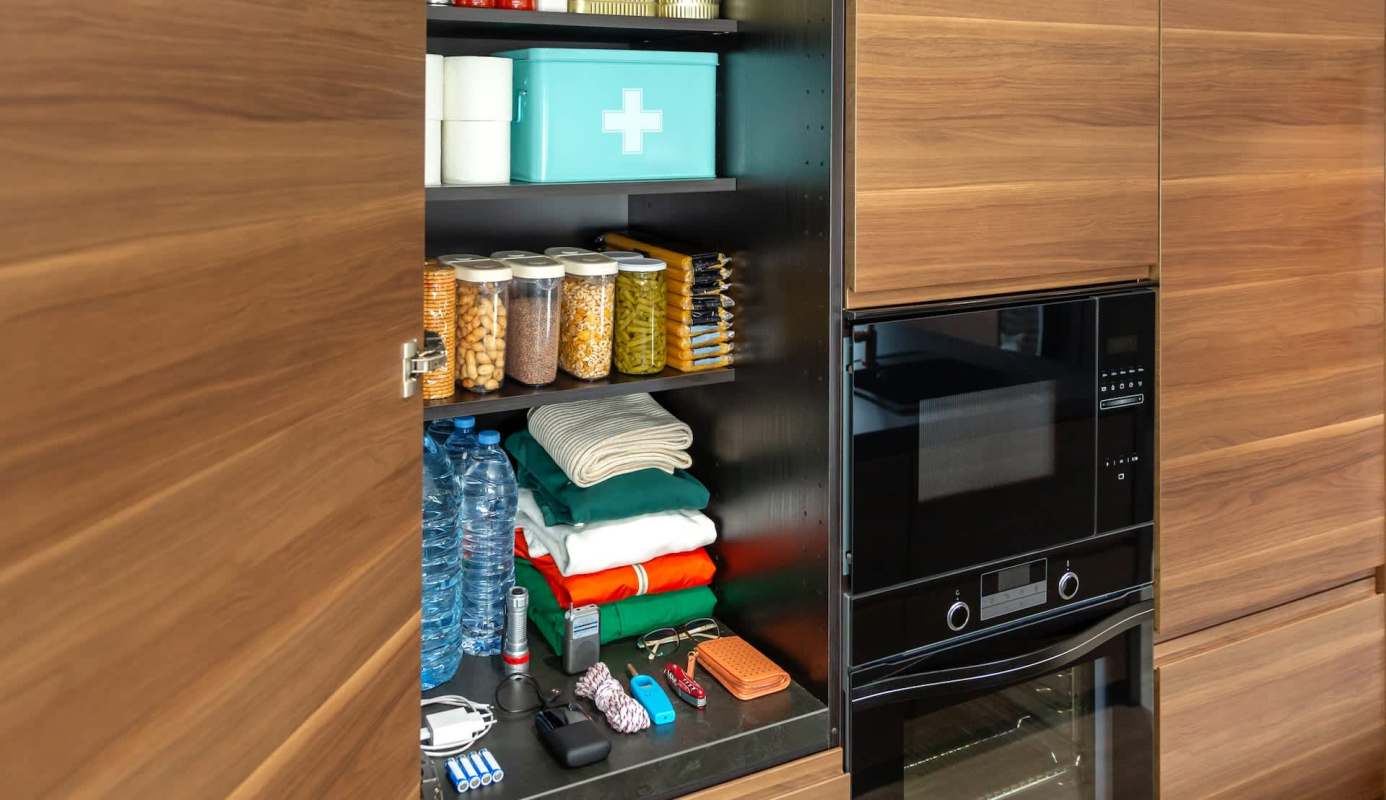
As a starting point, MacKenzie points to supplies that can help during ordinary disruptions as well as more serious emergencies. Her suggested items include emergency cash, copies of vital documents, printed phone numbers, flashlights, lanterns, portable chargers, backup cooking equipment, a battery-powered radio, warm blankets, and basic medicines.
She also recommends keeping a rotating weeklong supply of shelf-stable food for each person, including staples such as preserved beans and rice. Rather than letting that stock expire in storage, households should use and replace it over time.
"Stockpiling food you never eat is a no-go. In an emergency, discovering your family hates half your food store will be a problem." She added that unused gear can create similar problems, because a camp stove, water filter, radio, or generator may be far less helpful if nobody has practiced using it before an outage.
Another recommendation is to avoid storing all emergency supplies in one place. Spreading items across safe locations can reduce the risk of losing everything to fire, flood, theft, or structural damage, and even a simple test — such as shutting off the electricity for an evening — can reveal weaknesses in a plan before a real emergency.
MacKenzie said the aim is not to imitate her £315,000 bunker but to pressure-test a household plan before it is ever needed. "We know a day is coming soon that we need to be as prepared as possible. It's not paranoia — it's being ready."

Get TCD's free newsletters for easy tips, smart advice, and a chance to earn $5,000 toward home upgrades. To see more stories like this one, change your Google preferences here.






