


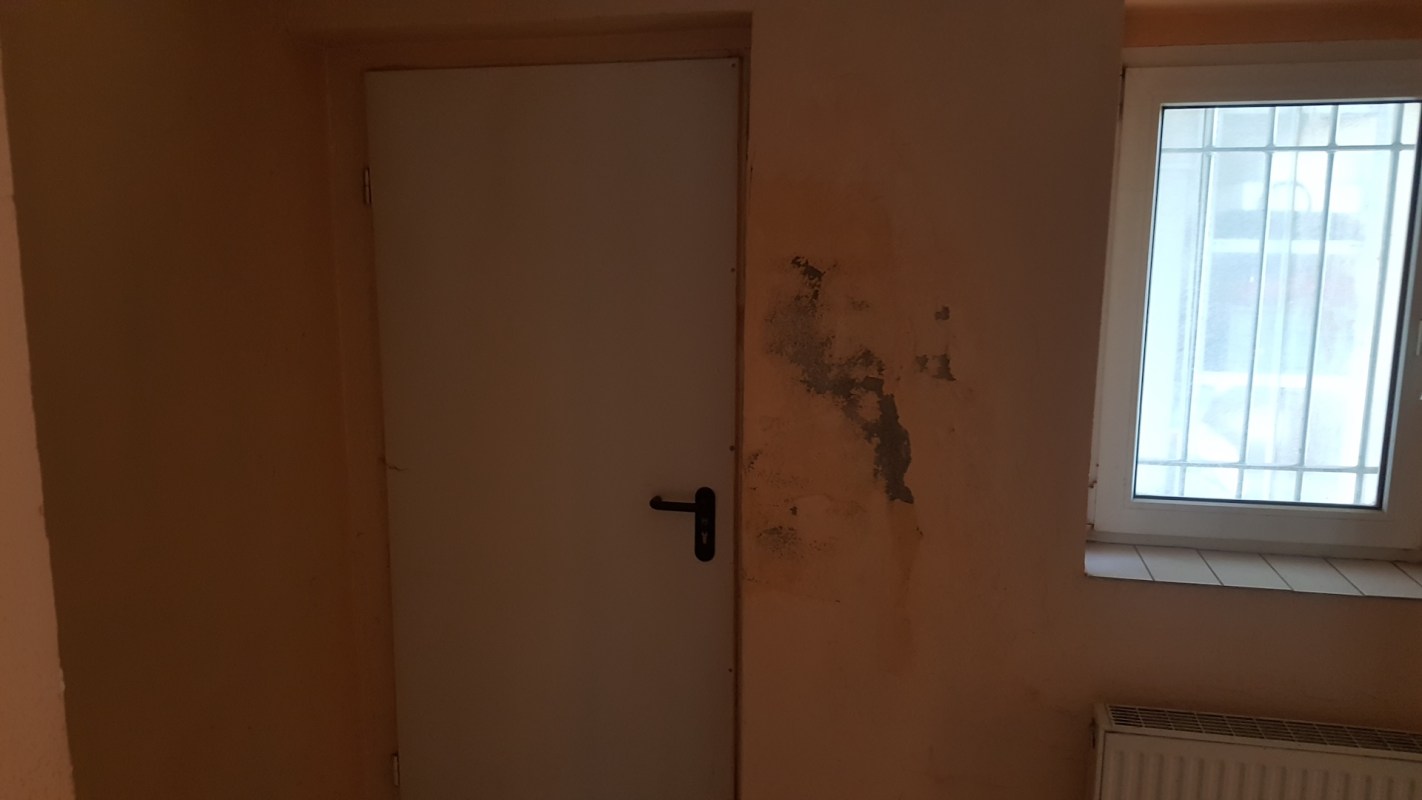
Washington, D.C., Attorney General Brian Schwalb has sued the owners and managers of two apartment buildings in the Brightwood neighborhood, alleging that they let severe problems go unaddressed for years and retaliated against tenants who pressed for repairs.
In Brightwood, city officials say tenants were left living with dangerous conditions that no one should be expected to accept as normal.
What happened?
According to Multifamily Dive, Schwalb filed a lawsuit on June 29 against the owners and managers of two Brightwood apartment buildings, alleging that the properties were allowed to deteriorate and that tenants who asked for repairs faced retaliation.
At issue are 1355 Peabody Street NW and 6000 13th Street NW. In the complaint filed in the Superior Court of the District of Columbia, Schwalb said there was evidence of "acute and long-running housing code violations" at both properties.
The outlet reported that tenants at 1355 Peabody started a rent strike in 2023 after years of unresolved problems. Alleged conditions at the buildings included mouse, cockroach, and bedbug infestations; broken doors, windows, and locks; winter heat outages lasting days or weeks; and a lack of cooling.
Why does it matter?
Losing heat in the winter or dealing with pests and broken locks can affect health, safety, sleep, and peace of mind, especially for families, older adults, and anyone with limited ability to move elsewhere.
TCD Picks » Quince Spotlight
💡These best-sellers from Quince deliver affordable, sustainable luxury for all




When renters feel they cannot report unsafe conditions without risking retaliation, those problems can continue even longer. That can leave residents paying substantial monthly housing costs while still going without essentials many people take for granted, including reliable heat, secure entryways, and pest-free living spaces.
Many renters do not have full control over the places they live, even when they are trying to make practical, money-saving changes. Landlords have also been known to prevent renters from adopting lower-cost lifestyle habits such as gardening or hanging clotheslines to dry laundry, limiting residents' ability to reduce expenses and live more sustainably.
What's being done?
By taking the dispute to court, the attorney general's office is treating prolonged code violations and alleged retaliation as potential violations of housing laws.
Keeping records of repair requests, outages, infestations, photos, and written communication can help residents establish a pattern if conditions are ignored. Local tenant associations, legal aid groups, and housing agencies may also be able to explain what protections exist where you live.
Schwalb said, "Every D.C. resident deserves a safe, healthy place to call home, and when tenants advocate for better living conditions, it is illegal for landlords to retaliate against them."

Get TCD's free newsletters for easy tips, smart advice, and a chance to earn $5,000 toward home upgrades. To see more stories like this one, change your Google preferences here.






