


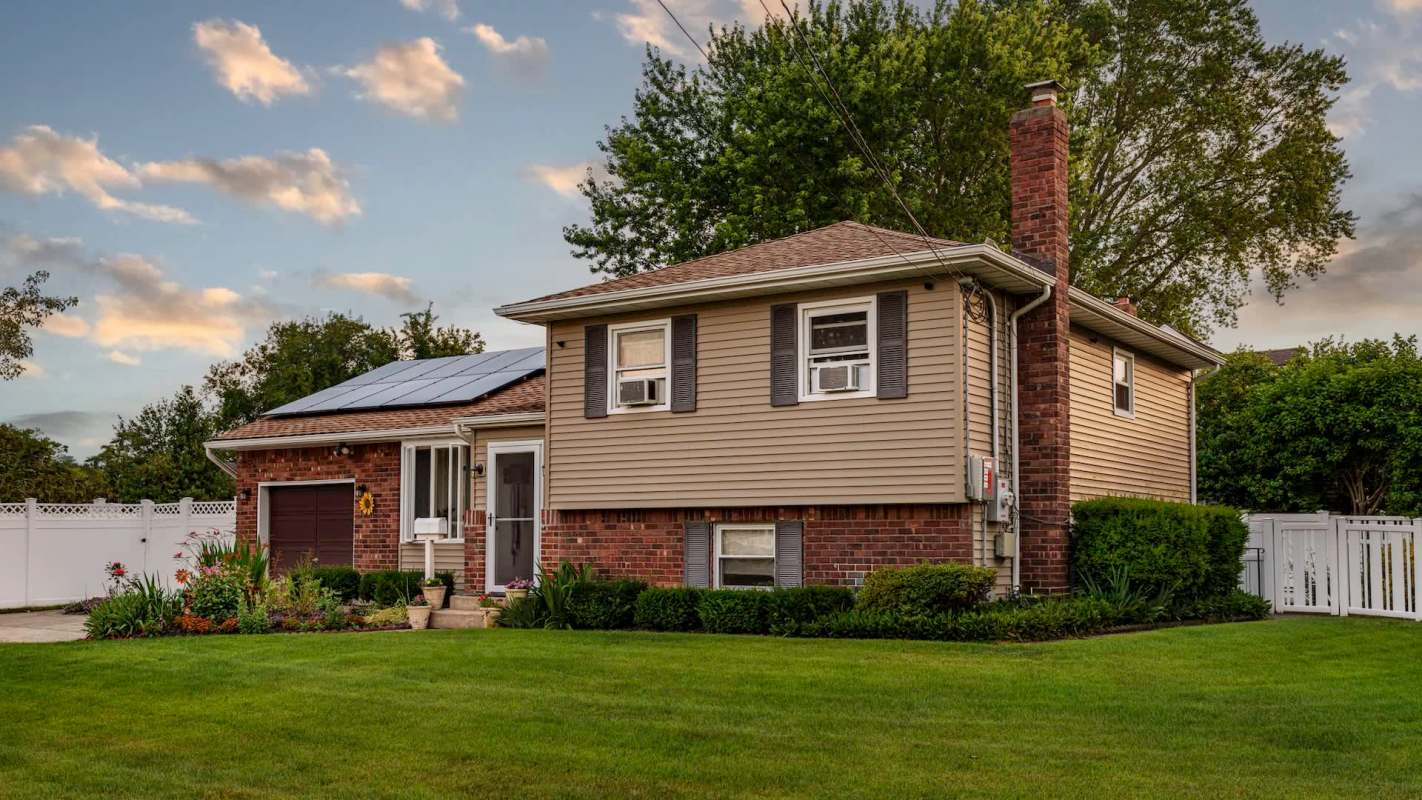
Buying a house with rooftop solar already installed can feel like a win — until the company tied to the system goes under and no one seems sure who owns what.
That's the confusing situation one new homeowner ran into after discovering their SunPower panels may still be carrying debt from a loan taken out by the previous owner.
What happened?
Sharing on the r/solar subreddit, the original poster explained that after purchasing the home in 2024, they learned that the previously installed SunPower panels "were not fully paid off by the previous owner."
Complicating matters, SunPower declared bankruptcy that same year, leaving the homeowner unsure whether the system could be turned back on.
According to the OP, they were able to log into SunStrong Connect using the former owner's credentials, but the app displayed an error message stating, "Your System is not communicating properly."
The OP turned to Reddit with questions not only about the potential for getting the solar system up and running again, but also as to whether they could be held liable for the unpaid portion of the previous homeowner's solar loan.
TCD Picks » Quince Spotlight
💡These best-sellers from Quince deliver affordable, sustainable luxury for all




As for the financial aspects of the homeowner's questions, Redditors focused first on how the system had been financed, with commenters saying the outcome could be very different for a lease, PPA, or loan.
Along those lines, one commenter pointed out that the manufacturer, installer, and lender could be three separate businesses, with the bankruptcy of one not necessarily impacting obligations owed to the others.
As one Redditor wrote, "Just because the installer or the manufacturer went bankrupt, doesn't mean the lender did."
Another commenter suggested checking the property record to see whether any lien or fixture filing was still attached to the title, which could be an issue to bring to the homeowner's title insurance company.
Why is this concerning?
When a home solar system is stuck in contract limbo, a homeowner could be left with panels on the roof and a loan to pay off but no clear path to service, monitoring, or repairs.
It can also mean missing out on cheaper electricity. If the system is not producing power or cannot be accessed, homeowners may end up paying full utility bills while still dealing with the complications of someone else's solar agreement.
To that end, much of the online discussion focused on the fact that, when it comes to home solar, the documents often matter just as much as the hardware.
"Do not sign anything that makes you assume the debt or contract, or pay a single dollar," advised one commenter.
Aside from the inconvenience and potential costs involved, other Redditors emphasized that working on or modifying an unfamiliar solar system also raises safety concerns.
While some people think they can simply swap parts or reconnect a system themselves, one commenter warned, "The hazard is real if you try to tear into an existing older 400+vDc system and have no clue what you're doing."
What can I do?
Before touching the equipment, commenters said the first step is to review the paperwork from the sale of the house. They recommended confirming that the solar system was included in the transaction, whether any debt was assumed, and whether a lien, such as a UCC-1 fixture filing, appeared on the property's title.
As for the equipment itself, commenters said the panels may still be usable even if SunPower's old platform is not.
As one commenter put it, "There is no 'activating' to be done. The Sunpower monitoring portal server just no longer exists."
In other words, the problem may be with the monitoring service or inverter connection instead of the panels on the roof.
Redditors largely agreed that the safest next move may be to bring in a local solar professional who can identify the actual inverter manufacturer, inspect the system, and explain whether it can be reconnected without taking on unwanted debt.

Get TCD's free newsletters for easy tips, smart advice, and a chance to earn $5,000 toward home upgrades. To see more stories like this one, change your Google preferences here.






