


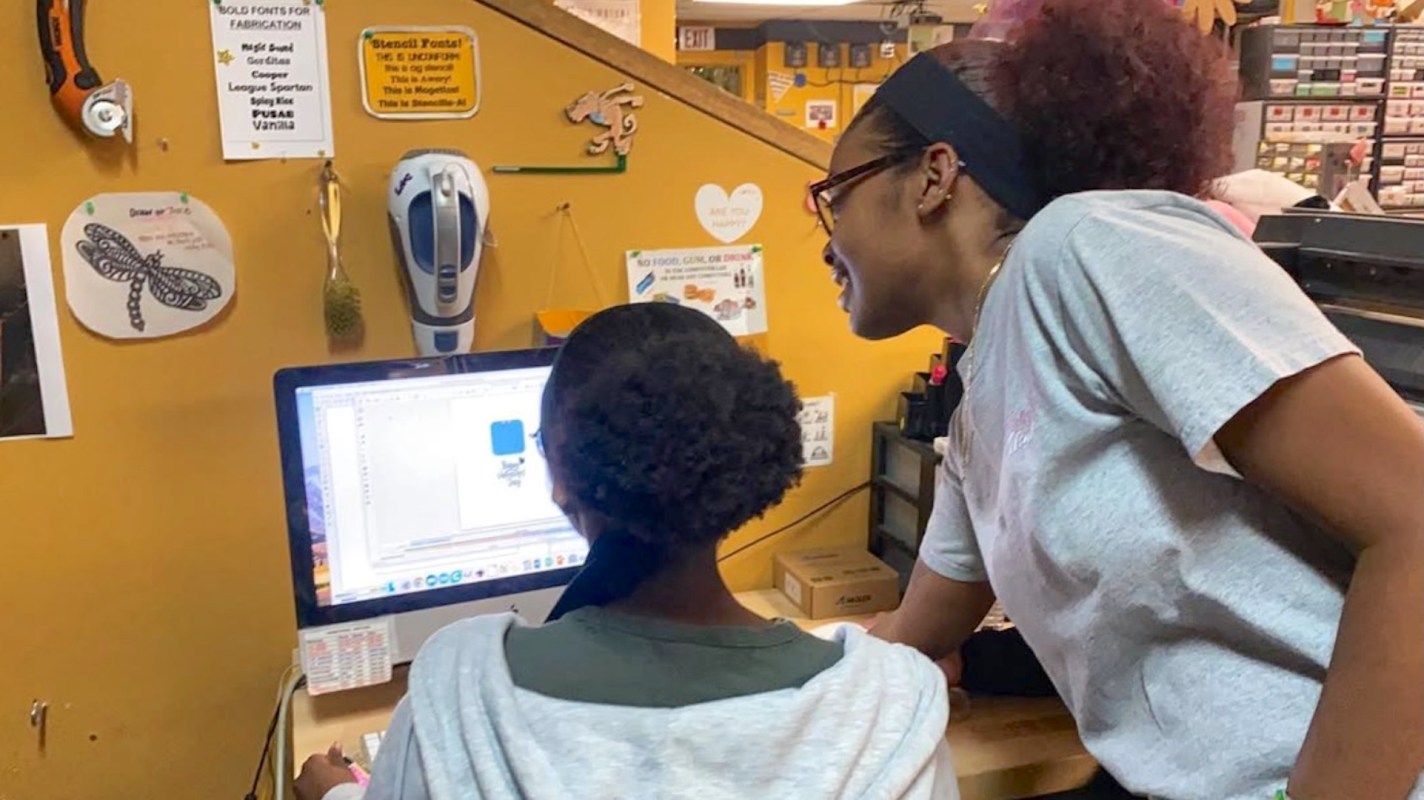
Tenants of Boston's Tent City are questioning the future of their affordable housing community after a free technology center was shut down. The center had helped low-income residents across the area learn new skills for nearly three decades.
Here's what to know
The South End Technology Center was established to expand access to technology and education. Tent City, civil rights activist Mel King, and the Massachusetts Institute of Technology partnered to open it in 1997, according to The Boston Globe.
Heather Cook, a lifelong resident and the founder and president of the Tent City Tenant Association, said she had reviewed the center's eviction notice.
Peabody Properties manages the complex's daily operations. The Boston Planning and Development Agency owns the land, while the resident-run nonprofit Tent City Corp. owns the building.
More background
Tent City's roughly 270 apartments opened in the late 1980s following a fight against displacement. According to the Globe, protesters had occupied the site with tents in 1968 to demand affordable housing instead of a parking garage or high-end development. The land had been cleared of row houses.
Staff at the technology center helped lifelong resident Dyandra duBoulay complete the FAFSA financial aid form that helped her attend Boston College. Former instructor Charlie Welch taught people how to repair computers there in the early 2000s.
TCD Picks » Quince Spotlight
💡These best-sellers from Quince deliver affordable, sustainable luxury for all




Beyond the center's closure, residents described deteriorating conditions at Tent City, including maintenance problems, mold, and security concerns heightened by a deadly late-2022 shooting near the complex, according to the Globe.
Cook said residents fear mass evictions and have already lost gathering places. Their community room became a mail room, and benches were removed. "The canary in the coal mine was the eviction of the tech center," Cook said.
What's being done?
Former state Sen. Dianne Wilkerson and Boston City Councilor Miniard Culpepper joined residents for a rally outside the closed center. About three dozen people attended to highlight tenants' concerns.
The center's leadership, however, distanced itself from a rally outside the building. In a letter to property representatives, board chair Ceasar McDowell said the center, its board, and King's family neither supported the rally nor authorized organizers to use their names.
Across the country, landlords have also been reported for preventing tenants from adopting money-saving practices, including gardening and hanging clotheslines to dry laundry.
For renters seeking changes to established rules with their landlords, working with them offers a starting point for approaching those conversations.
"We are not just fighting to keep apartments," DuBoulay, a mother of three teenagers, told the Globe. "We're fighting to preserve a community, its history, its opportunities, and its people."

Get TCD's free newsletters for easy tips, smart advice, and a chance to earn $5,000 toward home upgrades. To see more stories like this one, change your Google preferences here.






