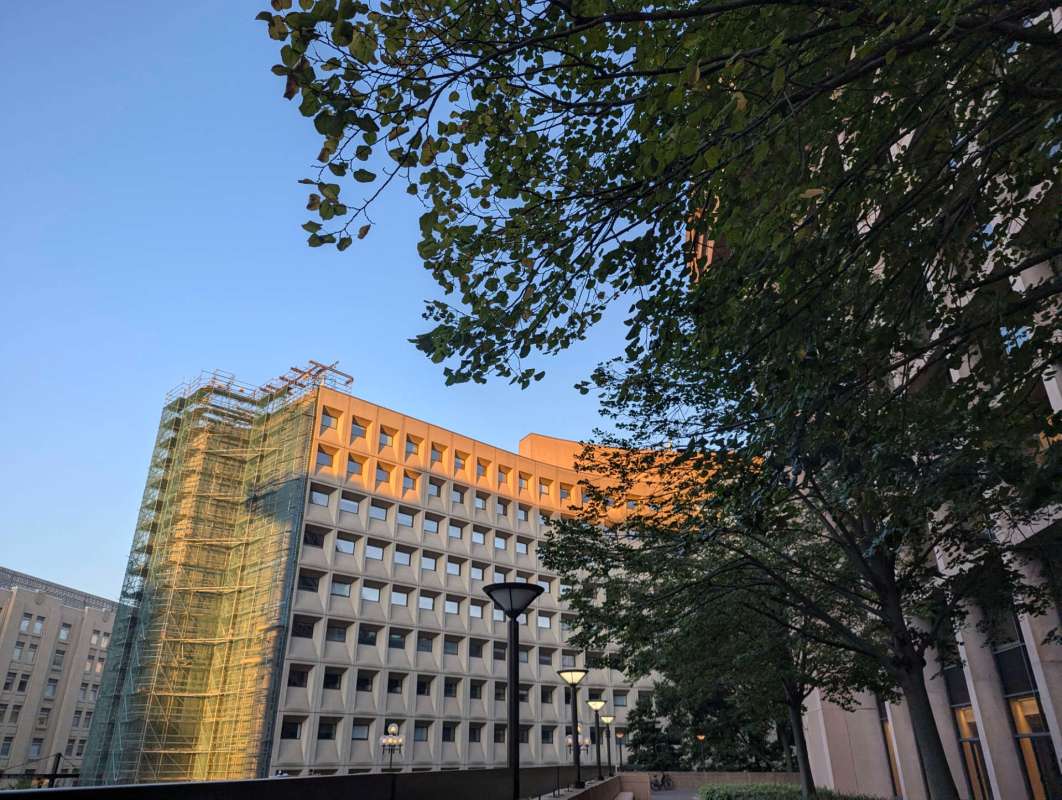
A United States District Court in Boston temporarily blocked an effort by the Trump administration to reshape a federal housing grant program, leaving in place a funding setup that fair-housing groups said is central to investigating and preventing discrimination.
The case challenged HUD's effort to redirect a program that has traditionally supported nonprofit groups assisting people who face discrimination in the housing market. The court ruled that the agency could not make such major changes without a clear, evidence-based justification for doing so.
Here's what to know
According to The Boston Globe, Myong Joun, a U.S. District Judge, found that HUD did not sufficiently explain its proposed overhaul of the Fair Housing Initiatives Program. Congress created FHIP in 1987 to back fair housing enforcement, and the judge characterized the agency's plan as involving "sweeping changes."
In his ruling, Joun pointed out that Congress has long treated support for outside fair-housing organizations as an important complement to HUD's own work. In the area of housing discrimination, these outside groups help people report, document, and contest discriminatory conduct.
Under FHIP, that support has generally come through multi-year grants. Lawyers representing several fair housing organizations, including the National Fair Housing Alliance, said HUD has usually awarded more than 100 grants ranging from $75,000 to $425,000. For fiscal year 2025, however, the agency said it would stop providing money for private enforcement initiatives and multi-year grants through the program, The Globe reported.
Instead, HUD planned to direct $46 million of the $56 million appropriated by Congress into just five grants, including $25 million set aside for a law school. Another $10 million could be directed to a state or local agency, per The Globe.
TCD Picks » Quince Spotlight
💡These best-sellers from Quince deliver affordable, sustainable luxury for all




More background
Fair housing groups often serve as a first line of defense for renters, homebuyers, and families who believe they have experienced housing discrimination. When those non-profit organizations lose funding, it can become much harder for people to get help, and those engaging in housing discrimination can be emboldened due to an apparent lack of enforcement.
The court further objected to new conditions the administration wanted to attach to the funding. Under the proposed rules, recipients would have been barred from using grant money to support "gender ideology" or "illegal immigration."
HUD defended the move by arguing that it had the authority to impose those terms and that the broader overhaul was part of a modernization effort intended to expand participation. But Joun was unconvinced, writing that the agency's "pithy description falls woefully short of the mark in both form and substance."
What's being done?
The ruling temporarily stops HUD from carrying out the planned restructuring while the lawsuit moves forward.
Explaining the court's decision to pause the overhaul, Joun said: "The effect of HUD's restructure effectively bars the very housing organizations that have been effectuating FHIP's mission year after year since its enactment."

Get TCD's free newsletters for easy tips, smart advice, and a chance to earn $5,000 toward home upgrades. To see more stories like this one, change your Google preferences here.